
There’s nothing quite like the soft purr of a content cat curled up on your lap to remind you that you’re doing something right. Yet, keeping that gentle rhythm going day after day takes a little planning, a lot of love, and a handful of practical cat wellness tips. Whether you’re a first‑time cat parent or a seasoned feline enthusiast, the daily habits you build now will shape your kitty’s happiness for years to come. Below are ten simple, science‑backed ways to make every day a joyful adventure for your whiskered companion.
Create a Calm and Enriching Environment
Cats are natural explorers, but they also crave safe, predictable spaces where they can retreat when the world feels too loud. A well‑balanced environment reduces stress and encourages playful curiosity.
- Design multiple “zones.” Set up a cozy sleeping nook, a sunny perch, and a dedicated play area. Each zone should feel distinct, giving your cat choices throughout the day.
- Use vertical real estate. Install wall‑mounted shelves or a sturdy cat tree. Even a simple bookshelf can become a climbing adventure, satisfying a cat’s instinct to survey from above.
- Rotate toys regularly. Keep a stash of toys hidden and swap them out weekly. The novelty of a “new” toy rekindles excitement without the need for constant purchases.
- Provide soft background noise. Low‑volume music or a white‑noise machine can mask sudden sounds that might startle a sensitive cat.
- Maintain a tidy litter area. Keep the litter box clean and place it in a quiet, low‑traffic spot. A well‑maintained box is a cornerstone of everyday comfort.
Keep Moving: Play and Exercise Ideas
Physical activity isn’t just about keeping weight in check; it’s a vital outlet for a cat’s hunting instincts and a source of mental enrichment. Short, frequent play sessions are more effective than one long marathon.
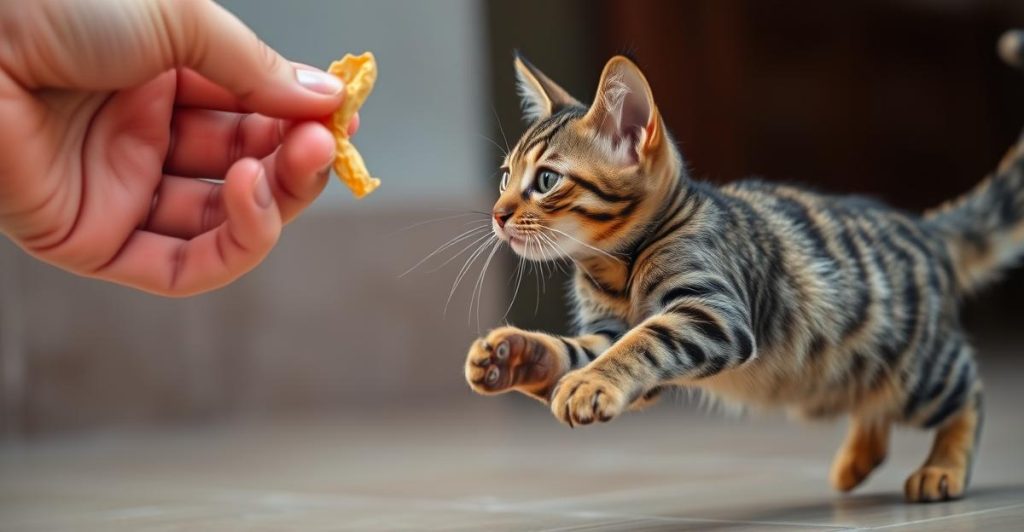
- Laser chase with a twist. Use a laser pointer for 5‑minute bursts, then finish with a tangible toy so your cat can “catch” something, satisfying the predator‑prey loop.
- Feather wands and ribbons. Mimic the erratic flight of birds. Move the wand in unpredictable patterns to trigger the chase response.
- Interactive puzzle feeders. Even simple cardboard tubes with treats inside turn snack time into a brain‑boosting hunt.
- DIY obstacle course. Arrange cushions, tunnels, and low boxes to create a mini‑agility track. Guide your cat through with treats or a favorite toy.
- Scheduled play windows. Aim for three 10‑minute sessions spread across morning, afternoon, and evening. Consistency builds anticipation and routine.
Hydration and Healthy Eating Habits
Staying hydrated and enjoying balanced meals are foundational to a cat’s everyday vigor. While you shouldn’t prescribe specific diets, you can set the stage for good habits that support overall wellness.
- Fresh water everywhere. Place at least two water bowls in different rooms. Some cats prefer ceramic over plastic, and a gently flowing fountain can entice the picky drinker.
- Separate feeding stations. If you have multiple cats, give each their own bowl to reduce competition and stress during mealtime.
- Mix textures. Offer both wet and dry options (if your cat enjoys them) to keep meals interesting and promote natural chewing.
- Meal timing. Stick to consistent feeding times—morning and evening—so your cat knows when to expect food, reinforcing a sense of security.
- Healthy treats. Small portions of cooked chicken, freeze‑dried fish, or cat‑safe herbs can be used as training rewards or simply as a daily joy.
Wet vs. Dry Feeding Habits
| Aspect | Wet Food Routine | Dry Food Routine |
|---|---|---|
| Moisture Content | High – helps boost daily water intake | Low – relies on separate water sources |
| Convenience | Requires refrigeration and timely serving | Easy to leave out; long shelf‑life |
| Texture Variety | Soft, pâté‑like, appealing to many cats | Crispy, crunchy, good for dental engagement |
| Meal Frequency | Typically 2‑3 small servings per day | Can be offered as free‑feed or measured portions |
| Cost Consideration | Generally higher per calorie | Often more budget‑friendly |
Grooming and Hygiene Routines
Regular grooming isn’t just about looking sleek; it’s a bonding ritual that promotes circulation, reduces shedding, and gives you a window into your cat’s overall comfort.
- Daily brushing. Short‑haired cats benefit from a quick brush each day, while long‑haired breeds may need a longer session to prevent tangles.
- Check paws and nails. Inspect for debris, and trim nails when they become sharp. A gentle nail‑trim routine can be turned into a calming massage.
- Ear and eye wipes. Use a soft, damp cloth to remove any discharge—this simple act keeps irritation at bay.
- Dental care basics. Offer dental chews or a soft brushing toy a few times a week to promote fresh breath and gum health.
- Seasonal coat care. In colder months, a light coat of fur helps retain warmth; in summer, a brief grooming session can keep your cat cool.
Bonding, Mental Stimulation, and Routine
The emotional bond you share with your cat thrives on predictability, affection, and mental challenges. Small gestures woven into daily life create a tapestry of trust and joy.
- Morning greeting. Spend a few minutes at the start of the day petting or talking softly to your cat. This sets a positive tone for both of you.
- Interactive feeding. Hide kibble in a treat ball or scatter a few pieces around a play mat to turn meals into a scavenger hunt.
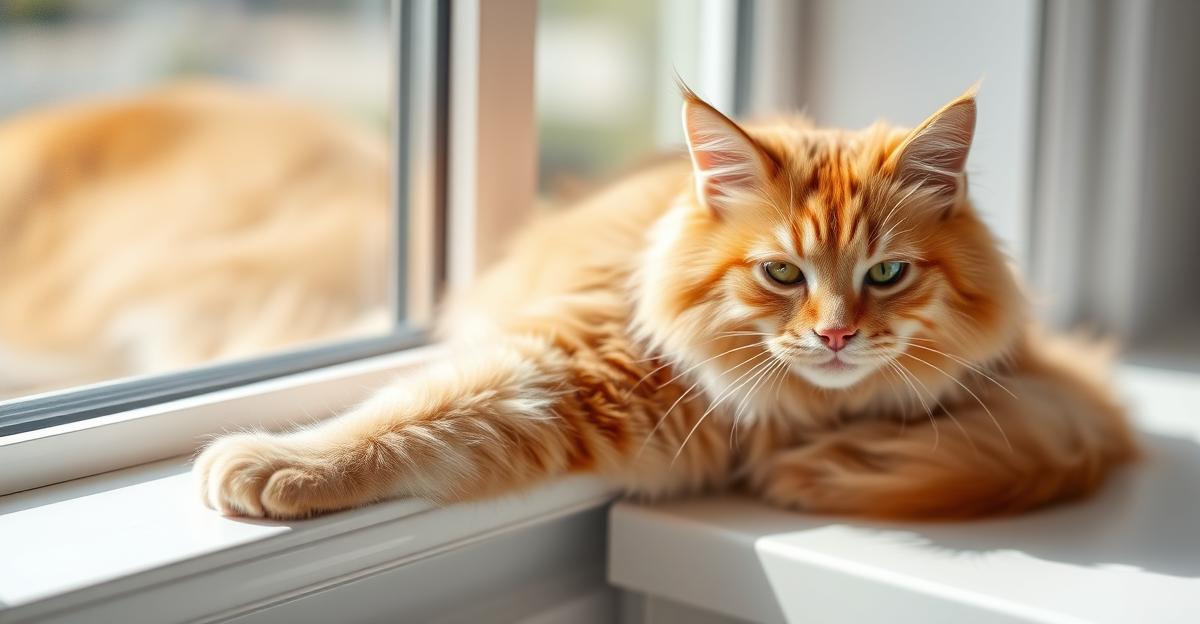
- Window watching. Set up a perch near a sunny window with a bird feeder outside. Watching wildlife is natural entertainment that stimulates curiosity.
- Training sessions. Teach simple cues like “sit” or “high five” using clicker training or treats. Training sharpens focus and deepens communication.
- Consistent bedtime routine. Dim the lights, lower the noise, and offer a final cuddle before sleep. Cats appreciate the rhythm of winding down together.
Frequently Asked Questions
How often should I change my cat’s water?
Fresh water should be offered at least once daily. If you have a fountain, clean it weekly and top it up with fresh water every day to keep it inviting.
What’s the best way to introduce a new toy?
Present the toy during a play session, using movement and sound to spark interest. Rotate new toys with older favorites to keep the excitement fresh.
Can indoor cats be as happy as outdoor cats?
Absolutely. By providing vertical spaces, interactive play, and mental enrichment, indoor cats can enjoy a rich, fulfilling life without the risks associated with outdoor roaming.
How do I know if my cat is comfortable with grooming?
Look for relaxed body language—slow blinking, kneading, and a calm tail. If your cat leans into your hand or purrs, they’re likely enjoying the session.
Disclaimer: This article is intended for informational and entertainment purposes only. It does not replace professional veterinary advice. Always consult a qualified vet for your cat's health and dietary needs.