
Discover the Playful Personality of the Ragdoll Cat
Imagine coming home after a long day and being greeted by a fluffy, gentle giant who instantly melts into your lap, purring like a tiny engine. That’s the everyday magic of a Ragdoll cat. Known for their striking blue eyes, silky coats, and a temperament that feels more like a loyal dog than a typical feline, Ragdolls bring a blend of calm and curiosity to any household. Their Ragdoll personality is a delightful mix of affection, playfulness, and a laid‑back charm that makes them perfect companions for families, singles, and seniors alike. Let’s dive into what makes these cats so irresistibly engaging and how you can nurture their happy, healthy lives.
Understanding the Core Traits of the Ragdoll Personality
Ragdolls are often described as “puppy‑like” because of their sociable nature. Below are the hallmark traits that define their unique personality:
- Gentle and Relaxed: Ragdolls love to be held and will often go limp in your arms, hence the name “Ragdoll.”
- Affectionate Communicators: They enjoy following you from room to room, greeting you with soft head‑butts and gentle paws.
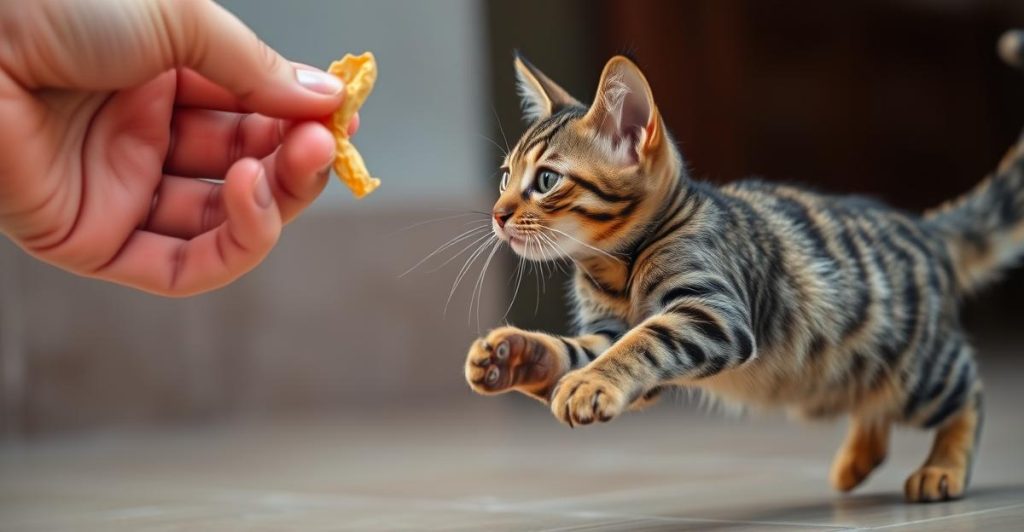
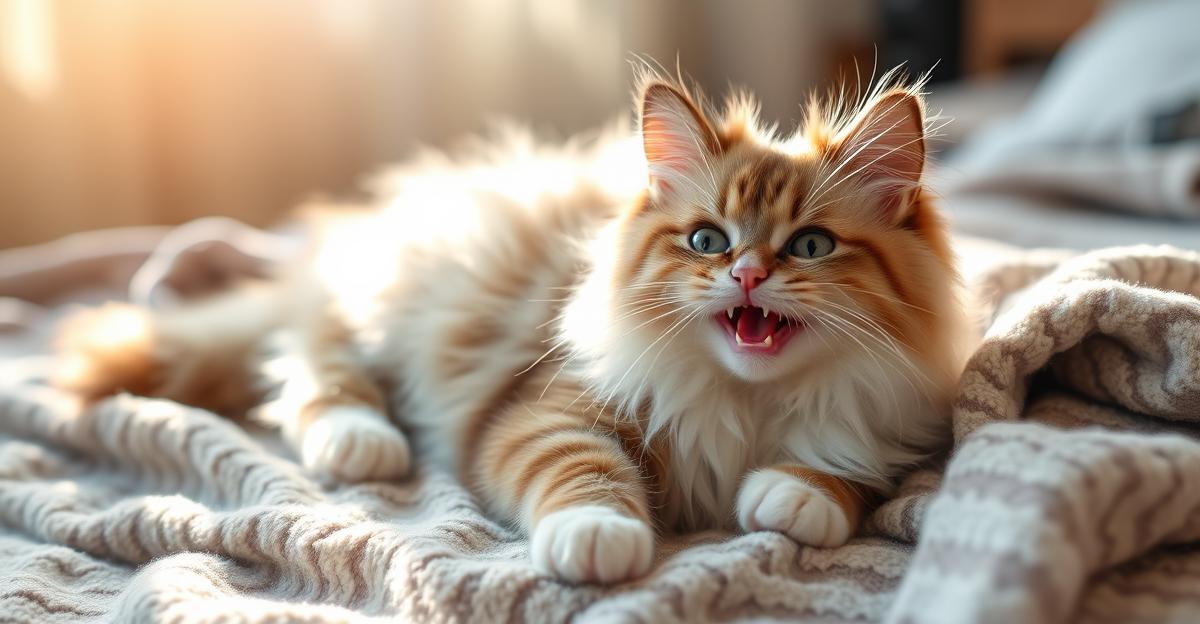
- Playful Explorers: While they’re calm, they also love interactive toys, feather wands, and puzzle feeders that stimulate their curious minds.
- Social Butterflies: Ragdolls thrive on human interaction and often get along well with other pets, especially when introduced gradually.
- Low‑Stress Temperament: They rarely display aggressive behavior, making them excellent for households seeking a peaceful feline friend.
These traits combine to create a cat that is both a loving lap companion and an enthusiastic play partner. Knowing these characteristics helps you tailor daily routines that keep your Ragdoll both mentally and physically satisfied.
Creating a Play‑Friendly Environment for Your Ragdoll
Even though Ragdolls are known for their calm demeanor, they still need regular mental and physical stimulation. Here are practical ways to turn your home into a playground that respects their gentle nature:
- Interactive Toys: Feather wands, laser pointers, and motorized mice engage their hunting instincts without overwhelming them.
- Climbing Opportunities: Install sturdy cat trees or wall‑mounted shelves. Ragdolls enjoy perching high enough to observe, yet they prefer stable platforms that feel secure.
- Puzzle Feeders: Use treat‑dispensing balls or maze bowls to turn mealtime into a fun challenge that encourages problem‑solving.
- Scheduled Play Sessions: Short, 10‑minute bursts of activity 2‑3 times a day keep energy levels balanced and prevent boredom.
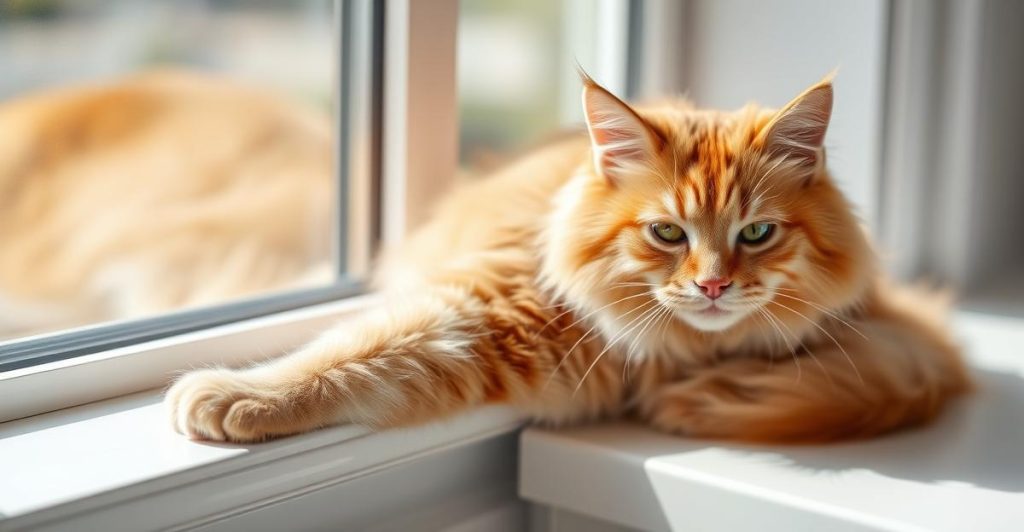
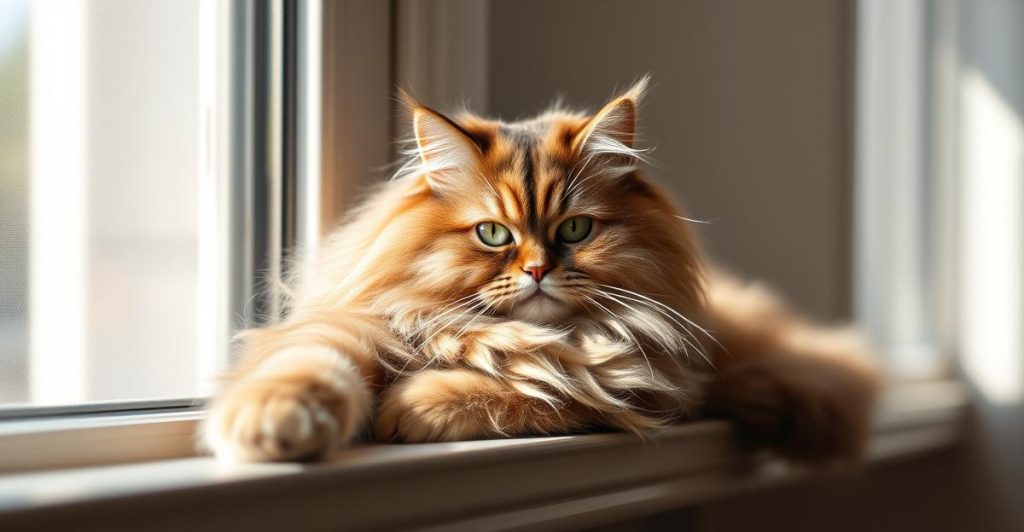
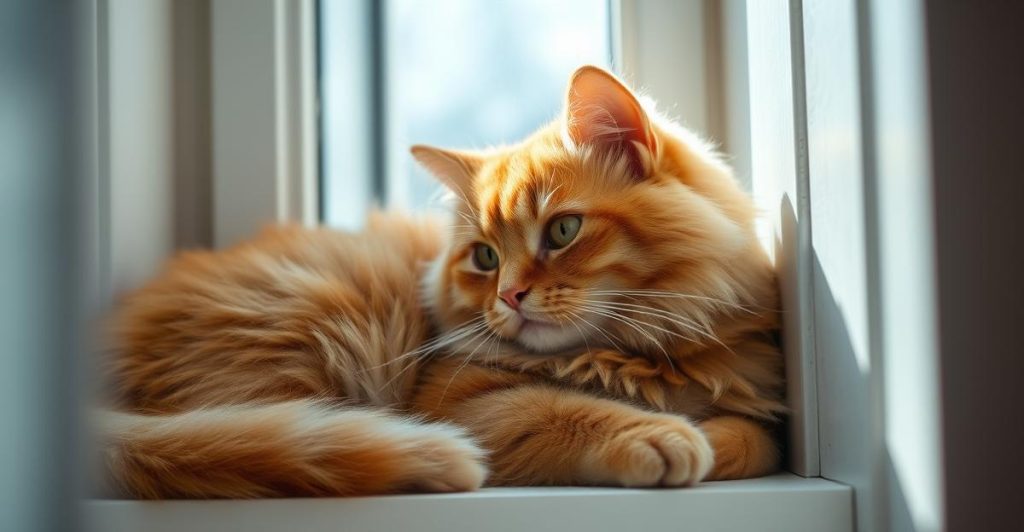
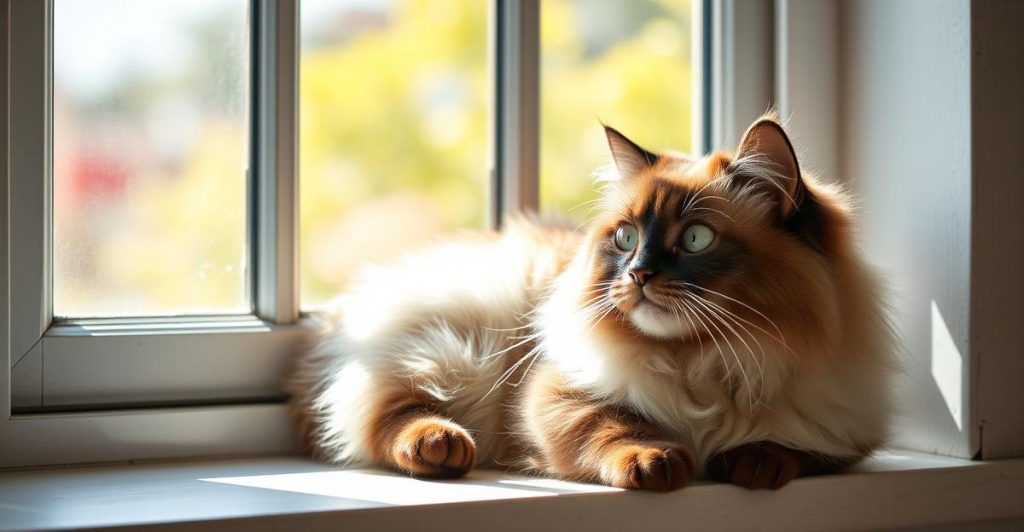
- Window Perches: A comfy spot near a sunny window offers natural entertainment—birds, leaves, and the ever‑changing world outside.
Remember, the key is consistency. Ragdolls love routine, so keeping playtime predictable helps them feel secure and eager to participate.
Grooming and General Wellness Tips for a Happy Ragdoll
Ragdoll coats are semi‑long, silky, and surprisingly low‑maintenance compared to other long‑haired breeds. Regular grooming not only keeps their fur looking luxurious but also supports overall wellness.
- Weekly Brushing: A soft‑bristle brush removes loose hair and reduces the chance of hairballs.
- Dental Care: Offer dental chews or a soft toothbrush a few times a week to maintain fresh breath and healthy gums.
- Regular Nail Trims: Keep claws at a comfortable length to protect furniture and prevent accidental scratches.
- Hydration Stations: Place fresh water in multiple locations; a flowing fountain can encourage more drinking, supporting kidney health.
- Safe Play Spaces: Ensure toys are free of small parts that could be swallowed, and rotate them regularly to keep interest high.
These simple habits create a routine that reinforces the calm, contented nature of the Ragdoll personality while promoting a happy, thriving cat.
Indoor vs. Outdoor Play: Finding the Right Balance
While many Ragdolls thrive as indoor cats, some owners enjoy supervised outdoor experiences. Below is a quick comparison to help you decide which approach best fits your lifestyle and your cat’s temperament.
Indoor vs. Outdoor Play Comparison
| Aspect | Indoor Play | Outdoor Play (Supervised) |
|---|---|---|
| Safety | High – no traffic, predators, or parasites. | Moderate – requires harness or enclosed catio. |
| Exercise Variety | Limited to toys, climbing structures, and window views. | Expanded – natural terrain, fresh scents, and sunlight. |
| Stress Levels | Generally low; familiar environment. | Potentially higher if new stimuli are overwhelming. |
| Grooming Needs | Less frequent coat cleaning; indoor dust only. | More frequent brushing to remove pollen and debris. |
| Social Interaction | Focused on human and indoor pet companions. | Opportunity to observe birds, insects, and other wildlife. |
For most Ragdoll owners, a well‑equipped indoor environment paired with occasional supervised outings (like a harness walk or a secure cat patio) offers the perfect blend of safety and enrichment.
Building a Strong Bond: Everyday Rituals That Celebrate the Ragdoll Personality
Bonding with a Ragdoll is about consistency, affection, and shared experiences. Here are everyday rituals that deepen your connection:
- Morning Cuddle Time: Spend 5‑10 minutes gently stroking your cat while it’s still sleepy. This reinforces trust and sets a calm tone for the day.
- Evening Play Ritual: Use a feather wand to mimic a gentle hunt, then finish with a soft belly rub—Ragdolls love the combination of activity and affection.
- Meal‑Time Conversation: Talk to your cat while serving food. The soft voice and eye contact make feeding a social event.
- Weekly Grooming Session: Turn brushing into a mini massage; it’s both practical and a bonding moment.
- Photo‑Sharing Moments: Capture playful poses and share them with friends or on social media. Ragdolls love the attention, and you’ll have a lasting memory.
These simple habits celebrate the Ragdoll’s loving nature and keep the “Ragdoll personality” front and center in your daily life.
Frequently Asked Questions
Do Ragdolls get along with other pets?
Yes! Their gentle, social nature makes them good companions for other cats and even dogs, especially when introductions are gradual and positive.
How much exercise does a Ragdoll need each day?
Short, interactive play sessions 2‑3 times a day, totaling about 20‑30 minutes, are usually sufficient to keep a Ragdoll happy and fit.
Is a Ragdoll suitable for apartment living?
Absolutely. Their calm demeanor and low‑maintenance coat make them ideal for smaller spaces, as long as they have vertical climbing options and regular playtime.
What are the best toys for a Ragdoll?
Feather wands, soft plush mice, and puzzle feeders are favorites. Ragdolls enjoy toys that move gently and encourage gentle batting rather than aggressive chasing.
Disclaimer: This article is intended for informational and entertainment purposes only. It does not replace professional veterinary advice. Always consult a qualified vet for your cat's health and dietary needs.