
Imagine the moment when a guest arrives, and your cat saunters over, pauses, and then performs a perfectly timed spin or a playful high‑five. Not only does it spark laughter, but it also showcases the deep bond you share with your feline companion. Teaching cat tricks is a delightful way to enrich your pet’s life, boost confidence, and turn everyday moments into unforgettable performances. In this guide we’ll explore practical, step‑by‑step methods for mastering a variety of cat tricks that impress friends while keeping your whiskered friend happy, healthy, and eager to learn.
Why Teach Your Cat Tricks?
Training isn’t just a human pastime; cats thrive on mental stimulation and interactive play. Here are a few reasons why adding cat tricks to your routine is a win‑win for both of you:
- Boosts Mental Exercise: Learning new movements challenges a cat’s problem‑solving abilities, helping to prevent boredom.
- Strengthens Trust: Positive reinforcement builds confidence and deepens the bond between you and your cat.
- Encourages Physical Activity: Many tricks involve gentle jumps, spins, or stretches that keep joints supple and muscles toned.
- Social Star Power: A well‑trained cat becomes the highlight of gatherings, turning ordinary visits into memorable events.
- Creates Routine: Regular short training sessions can become a calming, predictable part of your cat’s day.
Understanding Your Cat’s Learning Style
Every cat is an individual, and recognizing how your feline thinks will make the training process smoother. Cats learn best when they feel safe, curious, and rewarded.
- Observe Natural Behaviors: Notice if your cat loves to chase laser dots, pounce on feather toys, or climb to high perches. Use these preferences as building blocks for new tricks.
- Short, Frequent Sessions: Cats have short attention spans. Aim for 5‑minute sessions 2‑3 times a day rather than a long marathon.
- Positive Reinforcement Only: Celebrate successes with a favorite treat, gentle praise, or a quick play burst. Never use punishment; it can create fear and halt progress.
- Consistency is Key: Use the same cue word or hand signal each time you ask for a behavior. Consistency helps your cat make clear connections.
- Patience Over Perfection: Some cats may need more repetitions to grasp a concept. Celebrate tiny steps forward.
Essential Tools and Treats for Training
Preparing the right environment and rewards sets the stage for successful cat tricks. Below is a quick checklist of items you’ll need:
- High‑Value Treats: Soft, aromatic morsels that your cat can eat quickly. Small pieces keep calorie intake balanced.
- Clicker (Optional): A small handheld device that makes a consistent “click” sound to mark the exact moment your cat performs the desired action.
- Target Stick or Wand: A lightweight stick with a feather or ribbon tip helps guide movement for tricks like “follow” or “spin.”
- Safe Training Space: Choose a quiet room with minimal distractions, a soft rug, and easy access to your cat’s favorite toys.
- Patience Journal: Jot down cue words, treat types, and the number of repetitions. Tracking progress keeps you motivated.
Step‑by‑Step Cat Tricks to Wow Your Guests
Below are three crowd‑pleasing tricks, each broken down into simple steps. Feel free to adapt the cues to words that feel natural to you.
1. The High‑Five
Goal: Your cat lifts a paw to touch your hand on command.
- Start with your cat in a sitting position.
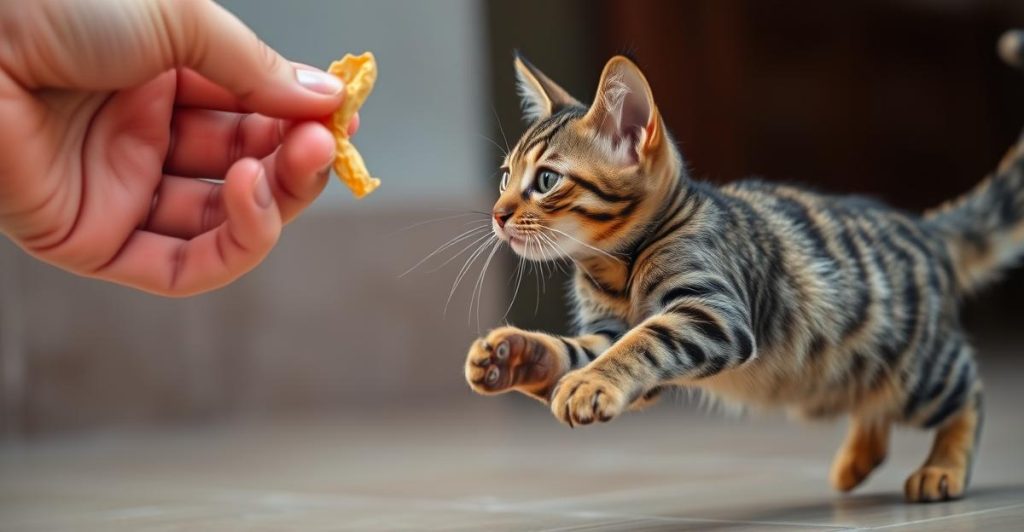
- Hold a treat in your closed fist and let your cat sniff it.
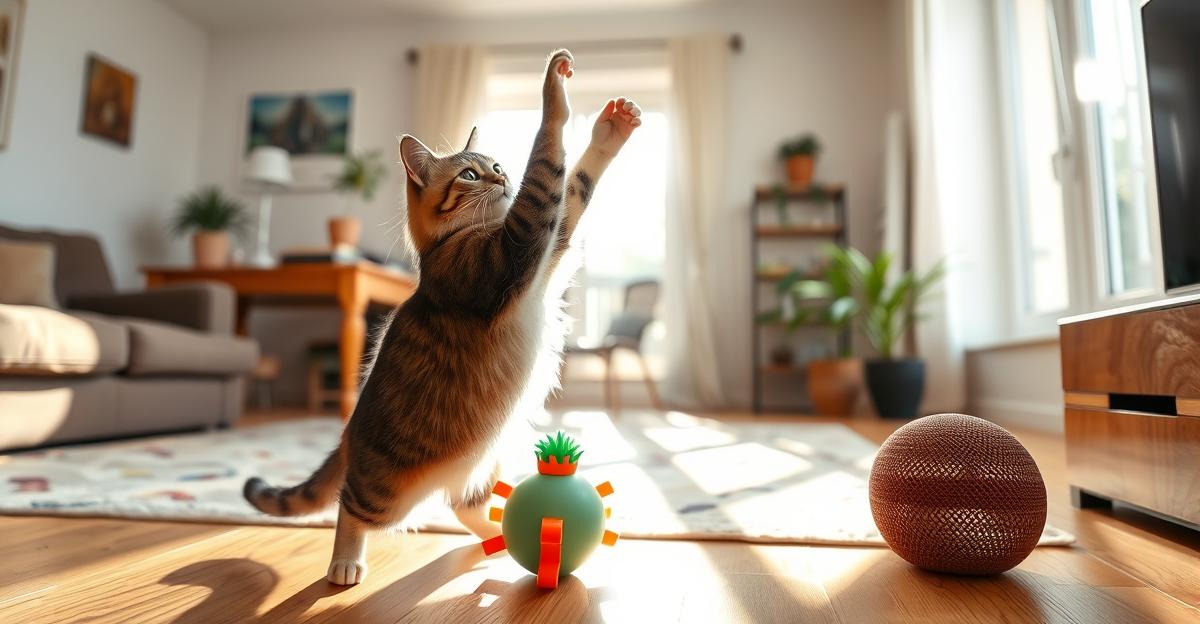
- Slowly open your hand just enough for the cat to tap the palm with a paw.
- As soon as the paw makes contact, say “high‑five,” click (if using a clicker), and give the treat.
- Repeat 5‑10 times, then gradually raise your hand higher to encourage a more pronounced lift.
- After several successful attempts, phase out the treat and reward with praise or a quick play session.
2. The Spin
Goal: Your cat rotates 360° on cue.
- Begin with your cat standing or sitting, a treat in your hand.
- Move the treat in a small circular motion just above the cat’s head, encouraging it to turn.
- When the cat follows the treat and completes a full circle, say “spin,” click, and reward.
- Practice the motion slowly at first, then increase speed as your cat becomes comfortable.
- After a few sessions, replace the treat motion with a hand signal (e.g., a circular sweep of your arm) and keep the verbal cue “spin.”
3. The Sit‑Stay‑Come
Goal: Your cat sits on command, stays until released, then comes back to you.
- Hold a treat above your cat’s head; as the cat looks up, its rear naturally lowers into a sit.
- Say “sit,” click, and give the treat.
- Introduce the “stay” cue by holding your palm out and saying “stay.” Wait a couple of seconds before rewarding.
- Gradually increase the waiting time. When your cat reliably stays, add a “come” cue, step back, and call your cat’s name.
- Reward the return with a treat and enthusiastic praise.
Practice each trick in short bursts, and rotate between them to keep sessions fresh. Over time, you’ll notice your cat anticipating the cues and performing with confidence.
Keeping Training Fun and Stress‑Free
Training should feel like a game, not a chore. Here are proven strategies to maintain a light‑hearted atmosphere:
- End on a Positive Note: Finish each session with a successful attempt, even if it’s a tiny step. This leaves your cat eager for the next round.
- Mix in Play: After a few training repetitions, switch to a favorite toy for a quick chase. Play reinforces the bond and prevents fatigue.
- Watch Body Language: If your cat’s ears flatten, tail flicks, or whiskers tense, pause and give a short break.
- Use Variety: Rotate tricks, cues, and reward types to keep curiosity high.
- Celebrate Small Wins: A half‑spin or a tentative paw lift is still progress. Acknowledge it with gentle petting or a soft “good job.”
Beyond the Basics: Building a Trick Routine
Once your cat has mastered the foundational tricks, you can create a short performance routine that flows smoothly. Consider the following sequence:
- Greeting Wave: Teach your cat to lift a paw and gently “wave” at the door.
- Spin & Sit: Combine the spin with an immediate sit, reinforcing the transition.
- High‑Five Finale: End with a high‑five, rewarding both you and your audience.
Practice the routine in the same order each time, using a consistent verbal cue like “showtime.” Over weeks, your cat will start to anticipate the flow, making the performance feel natural and impressive.
Comparison of Indoor Play Activities for Training
| Activity | Skill Developed | Ideal for | Setup Time |
|---|---|---|---|
| Feather Wand Chase | Agility & focus | High‑energy cats | 2 minutes |
| Laser Dot Circuit | Speed & quick decision‑making | Cats who love sprinting | 1 minute |
| Target Stick Touch | Precision & cue recognition | Cats learning tricks | 3 minutes |
| Puzzle Feeder Exploration | Problem solving & patience | Cats needing mental enrichment | 5 minutes |
Tips for Maintaining Long‑Term Success
Even after your cat becomes a trick‑show star, consistency keeps the skills sharp:
- Weekly Refresh Sessions: Schedule a quick 5‑minute refresher each week to prevent skill fade.
- Introduce New Cues: Swap out a word or hand signal occasionally to keep your cat’s mind engaged.
- Celebrate Milestones: When your cat masters a new trick, add a special treat or a new toy as a reward.
- Share the Fun: Invite friends over for a mini‑performance. Positive audience reactions reinforce your cat’s enthusiasm.
- Stay Observant: Adjust training pace based on your cat’s mood and energy levels; flexibility ensures lasting enjoyment.
Frequently Asked Questions
Can all cats learn tricks, or only certain breeds?
Every cat has the capacity to learn, but motivation varies. Some breeds—like Abyssinians, Bengals, and Siamese—are naturally curious and may pick up tricks faster. However, with patience and the right rewards, even a laid‑back British Shorthair can learn simple cues.
How often should I train my cat without causing stress?
Short, frequent sessions work best. Aim for 5‑minute training blocks 2‑3 times a day. If your cat shows signs of fatigue—such as a flicking tail or moving away—pause and resume later.
What treats are safest for use during training?
Choose treats that are soft, low‑calorie, and highly aromatic. Commercial training treats, small bits of cooked chicken, or freeze‑dried fish work well. Keep portion sizes tiny (about the size of a pea) to avoid excess calories.
My cat loses interest quickly. How can I keep him engaged?
Mix up the routine by rotating tricks, using different hand signals, and varying treat flavors. Incorporate play breaks, and always end sessions on a positive note to leave your cat wanting more.</