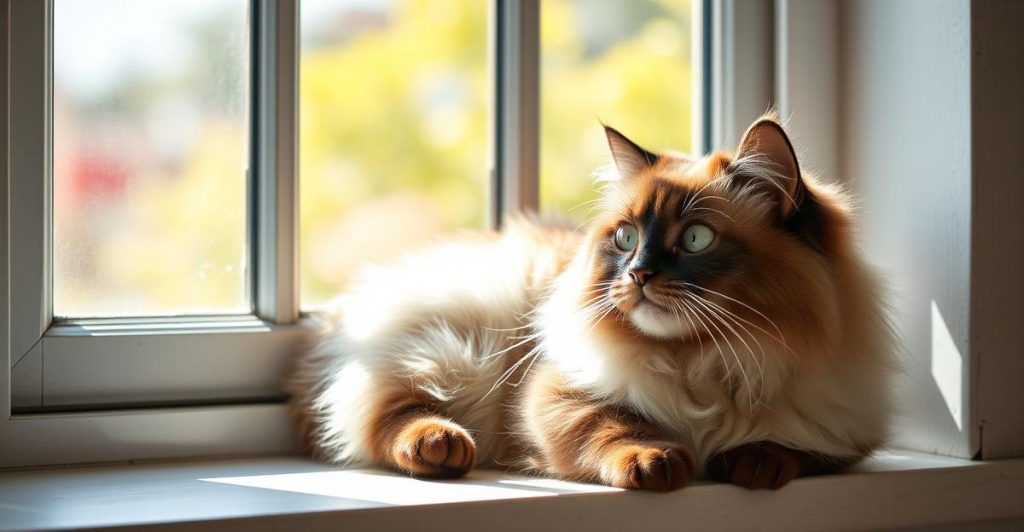

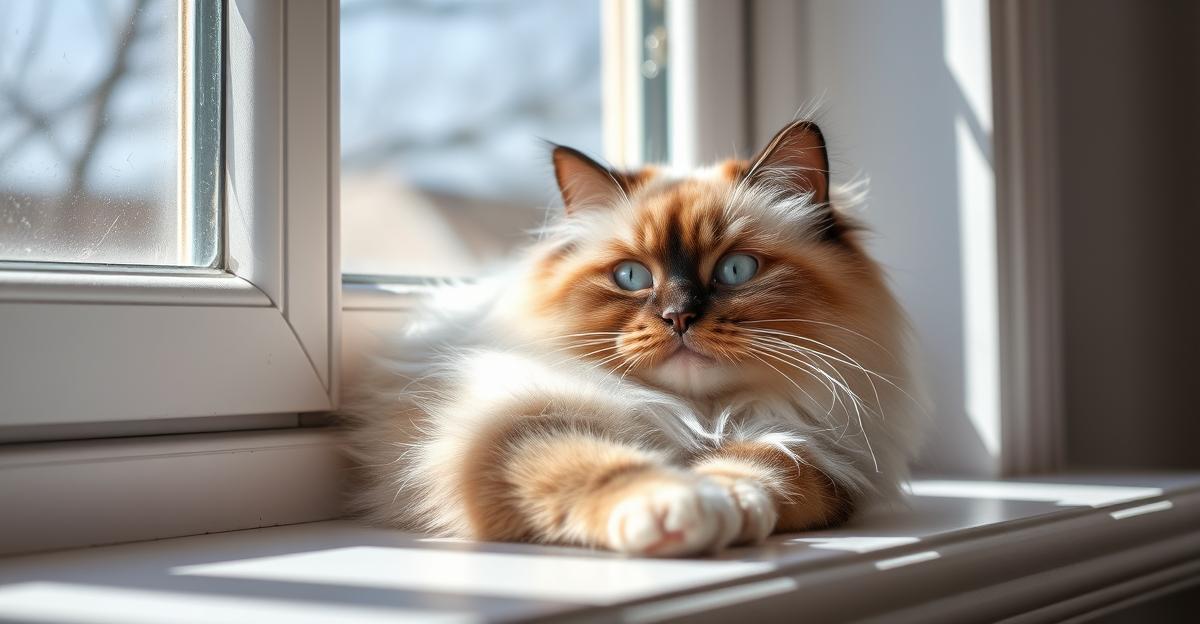
There’s something undeniably magical about the way a Ragdoll cat drifts into your lap, its silky fur brushing against your skin as if it were a living, breathing pillow. Their laid‑back demeanor, coupled with striking blue eyes, creates a spellbinding combination that captures the hearts of cat lovers everywhere. If you’ve ever wondered what makes these gentle giants so captivating, you’re about to discover the playful charm of the Ragdoll cat—often simply called the “Ragdoll charm.” From their origins to everyday care tips, this guide will walk you through everything you need to know to enjoy a happy, thriving Ragdoll companion.
History and Origins of the Ragdoll Breed
The Ragdoll’s story begins in the 1960s with a California breeder named Ann Baker. While experimenting with breeding long‑haired cats, she noticed a unique kitten that went limp when picked up, much like a rag doll—hence the name. Over the next decade, Ann refined the breed, selecting for large size, striking blue eyes, and a temperament that leaned heavily toward calm affection. By the 1970s, the Ragdoll had earned a reputation for being one of the most sociable and people‑oriented breeds, quickly gaining popularity in the United States and later worldwide.
Today, the Ragdoll is celebrated not only for its plush coat and captivating gaze but also for its ability to adapt to various living situations, making it a top choice for families, singles, and seniors alike. Understanding this heritage helps owners appreciate why the Ragdoll charm is so deeply rooted in both genetics and careful breeding practices.
Personality Traits that Define the Ragdoll Charm
When you think of a cat that greets you at the door, follows you from room to room, and willingly becomes a lap cat, you’re picturing the quintessential Ragdoll personality. Below are the hallmark traits that give the breed its legendary charm:
- Gentle Relaxation: Ragdolls love to stretch out and often go limp when held, creating a soothing, stress‑relieving experience for both cat and owner.
- People‑Centric: They thrive on human interaction, seeking out affection and often choosing a favorite person to follow around the house.
- Playful Yet Calm: While they enjoy interactive toys and games, they rarely display aggressive or overly energetic behavior, preferring gentle play.
- Adaptable Social Skills: Ragdolls get along well with children, other cats, and even dogs, making them versatile members of multi‑pet households.
- Vocal Communication: Expect soft, melodic chirps and trills when they’re excited or want attention, adding an endearing auditory element to their charm.
These traits combine to create a cat that feels more like a loyal companion than a typical independent feline, reinforcing the “Ragdoll charm” that draws so many owners.
Creating a Ragdoll‑Friendly Home Environment
Providing a space where your Ragdoll can flourish doesn’t require a complete home makeover, but a few thoughtful adjustments can make a world of difference in their happiness and wellbeing.
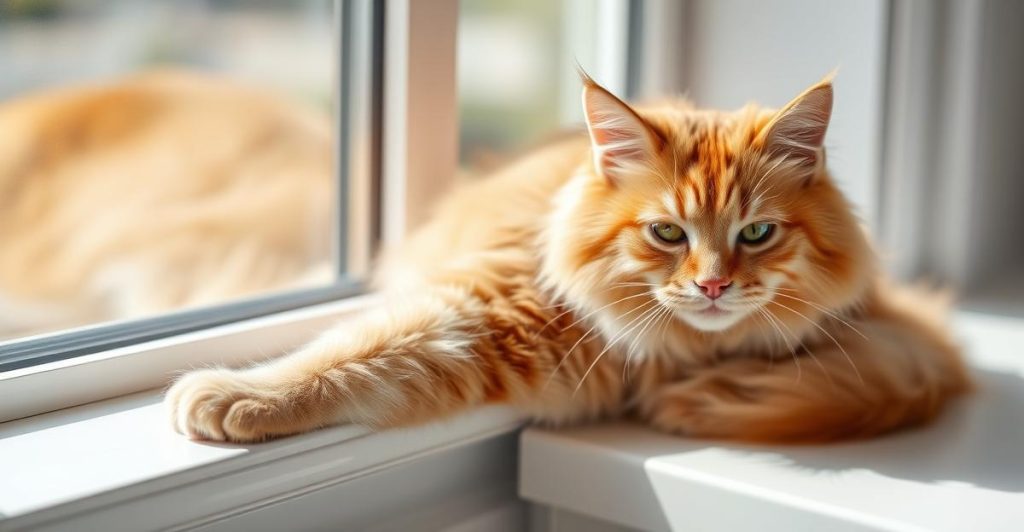
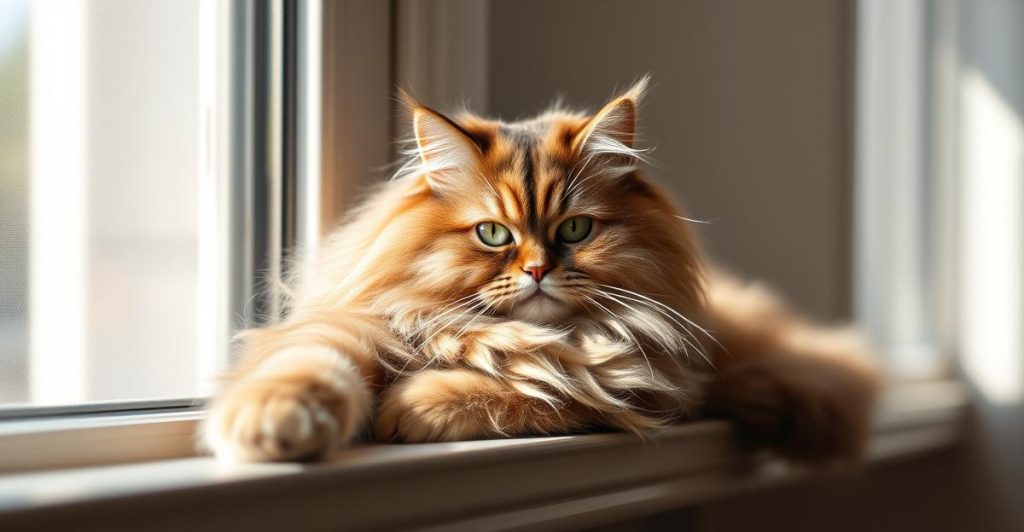
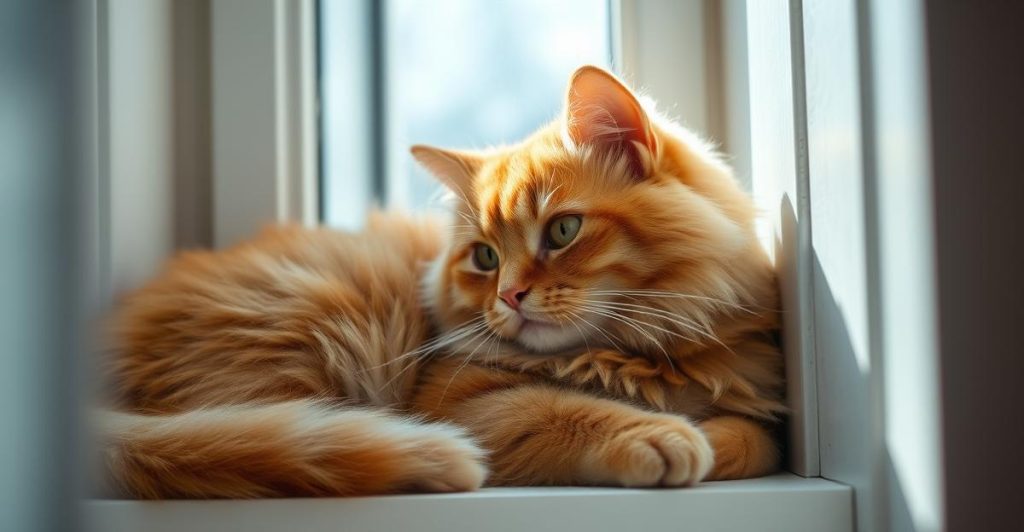
- Cozy Resting Spots: Offer multiple soft, elevated beds or blankets near sunny windows. Ragdolls love basking in warm light while keeping an eye on household activity.
- Low‑Height Climbing: Install sturdy cat trees or shelves that are not too tall. Because Ragdolls are large and slightly clumsy, lower platforms reduce the risk of injury while satisfying their natural curiosity.
- Quiet Corners: Designate a calm corner with a plush hideaway for moments when they want solitude. Even the most social Ragdolls appreciate occasional privacy.
- Safe Outdoor Access: If you have a secure patio or enclosed catio, let your Ragdoll explore fresh air under supervision. This adds mental stimulation without the hazards of free roaming.
- Interactive Toys: Keep feather wands, laser pointers, and puzzle feeders within easy reach. Rotating toys weekly keeps playtime fresh and engaging.
These simple enhancements not only reinforce the Ragdoll charm but also support a balanced routine of activity and relaxation.
Playtime and Enrichment Ideas for a Happy Ragdoll
Even though Ragdolls are known for their relaxed demeanor, they still benefit from regular mental and physical stimulation. Below are proven enrichment strategies that cater to their unique play style.
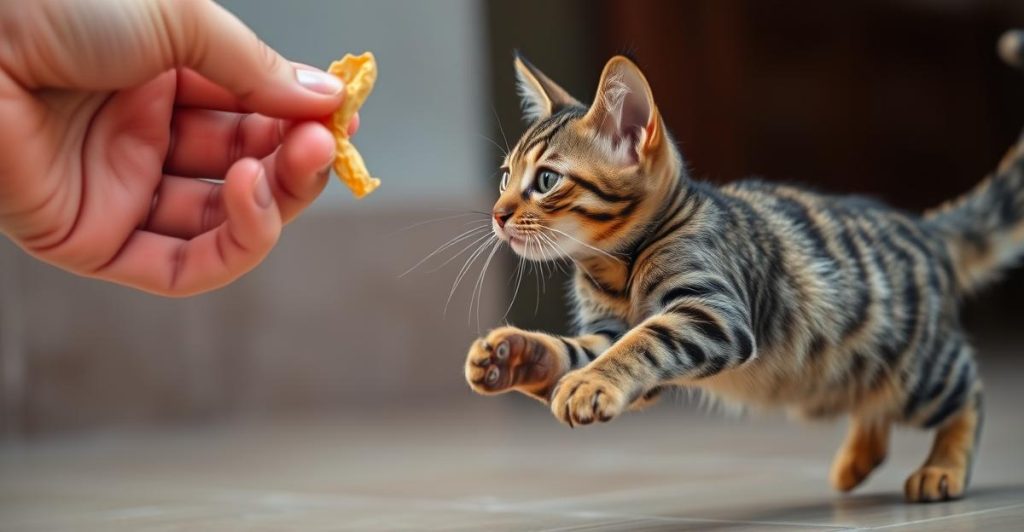
- Gentle Chase Games: Use a feather‑tipped wand to mimic the flutter of a bird. Move it slowly across the floor, encouraging your Ragdoll to pounce and glide without overexertion.
- Interactive Puzzle Feeders: Fill a shallow puzzle feeder with kibble or treats. This encourages problem‑solving while slowing down eating, promoting overall contentment.
- Hide‑and‑Seek Sessions: Place a favorite toy under a lightweight blanket and let your cat discover it. The surprise element triggers natural hunting instincts in a safe way.
- Window Watching: Set up a perch near a window with a view of birds or passing traffic. Ragdolls love to observe the world, and this passive entertainment can keep them occupied for hours.
- Gentle Tug‑of‑War: Use a soft rope toy for a light tug game. Ensure the tug is gentle to avoid overstimulating their muscles, and always let them win to boost confidence.
Incorporating a mix of these activities throughout the day helps maintain a balanced energy level, reinforcing the Ragdoll’s reputation as a playful yet mellow companion.
Grooming and Daily Care Routine
One of the most rewarding aspects of owning a Ragdoll is the luxurious feel of their semi‑long coat. Proper grooming not only keeps their fur looking glossy but also contributes to overall happiness by providing a soothing bonding experience.
- Brushing Frequency: Aim for a gentle brush 2–3 times per week using a wide‑toothed comb. This removes loose hair, reduces matting, and distributes natural oils for a shiny coat.
- Bathing Occasions: While Ragdolls are generally good at self‑cleaning, an occasional warm bath (once every few months) can be a pleasant pampering ritual, especially during shedding season.
- Nail Trimming: Trim the tips of the claws once a month to keep them comfortable and protect household furnishings. Use a cat‑specific nail clipper and reward your cat with a treat afterward.
- Dental Care: Offer dental treats or chew toys designed to promote healthy teeth. Gentle tooth brushing with a feline‑safe toothpaste a few times a week adds an extra layer of wellness.
- Ear and Eye Checks: Wipe the ears and eyes with a soft, damp cloth weekly to remove any debris. This simple habit helps maintain the bright, clear eyes that are part of the Ragdoll charm.
Consistency is key—making grooming a calm, positive routine reinforces trust and deepens the bond between you and your cat.
Comparison Table: Indoor vs Outdoor Play Activities for Ragdolls
| Aspect | Indoor Play | Outdoor Play (Secure Enclosed Area) |
|---|---|---|
| Safety Level | High – no traffic or predators | Moderate – requires a secure catio or fenced area |
| Stimulus Variety | Limited to toys and window views | Natural scents, fresh air, and moving shadows |
| Physical Exercise | Gentle – relies on interactive toys | More vigorous – allows climbing and light running |
| Risk of Overstimulation | Low – environment is controlled | Potentially higher – new sounds may cause excitement |
| Maintenance | Easy – no weather concerns | Requires regular cleaning of the enclosure |
Training Tips and Socialization Strategies
Training a Ragdoll is less about obedience and more about encouraging positive habits that enhance their natural sociability. Here are practical steps to nurture the Ragdoll charm through gentle training.
- Positive Reinforcement: Use treats and soft praise when your cat follows a desired behavior, such as using a scratching post or coming when called.
- Clicker Introduction: A clicker can mark the exact moment your cat performs a wanted action, making learning clearer and more fun.
- Routine Consistency: Feed, play, and groom at the same times each day. Predictable schedules reduce anxiety and promote a sense of security.
- Gentle Desensitization: Expose your Ragdoll gradually to new objects (e.g., vacuum cleaners, carrier) while offering treats, helping them stay calm during potentially stressful events.
- Social Playdates: If you have other pets, arrange short, supervised introductions. Ragdolls usually adapt quickly, especially when the environment remains calm.
By focusing on kindness and consistency, you’ll see your Ragdoll flourish into a confident, well‑adjusted companion who radiates the very charm that makes the breed so beloved.
Frequently Asked Questions
What makes the Ragdoll’s personality different from other cat breeds?
The Ragdoll’s hallmark is its gentle, “floppy” demeanor when held, combined with a strong desire for human interaction. Unlike many independent cats, Ragdolls actively seek companionship, follow their owners around, and often choose a favorite person for cuddles, which sets them apart as true lap cats.
How often should I brush my Ragdoll’s coat?
Brushing 2–3 times per week is ideal for most Ragdolls. This frequency helps prevent tangles, reduces shedding, and distributes natural oils that keep the fur glossy and healthy.
Can a Ragdoll live happily in an apartment?
Absolutely. Ragdolls adapt well to indoor living as long as they have comfortable resting spots, interactive toys, and regular playtime. Providing vertical space like low cat trees and window perches further enriches their environment.
Do Ragdolls get along with other pets?
Yes, Ragdolls are known for their friendly nature and typically get along with other cats and dogs. Introducing new pets slowly and using positive reinforcement helps ensure a smooth transition.
Disclaimer: This article is intended for informational and entertainment purposes only. It does not replace professional veterinary advice. Always consult a qualified vet for your cat's health and dietary needs.