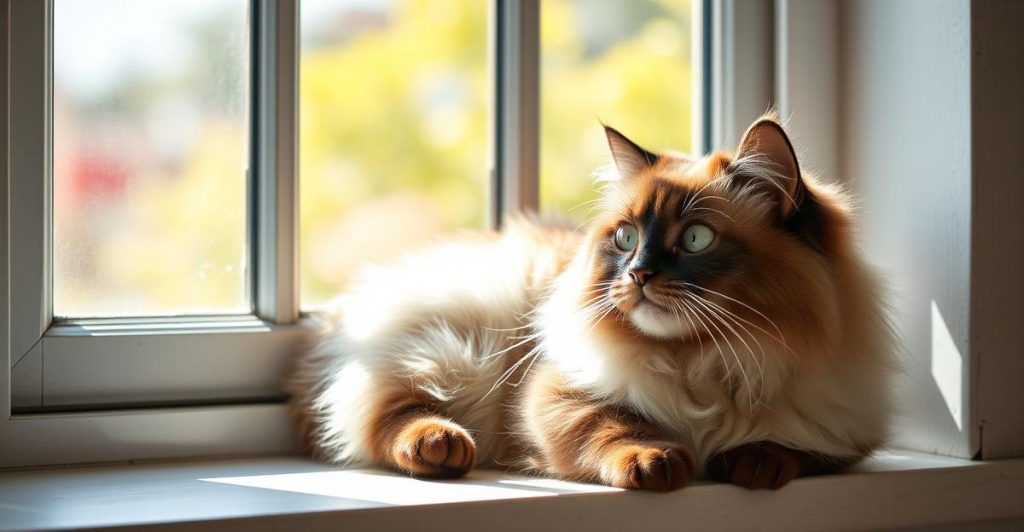

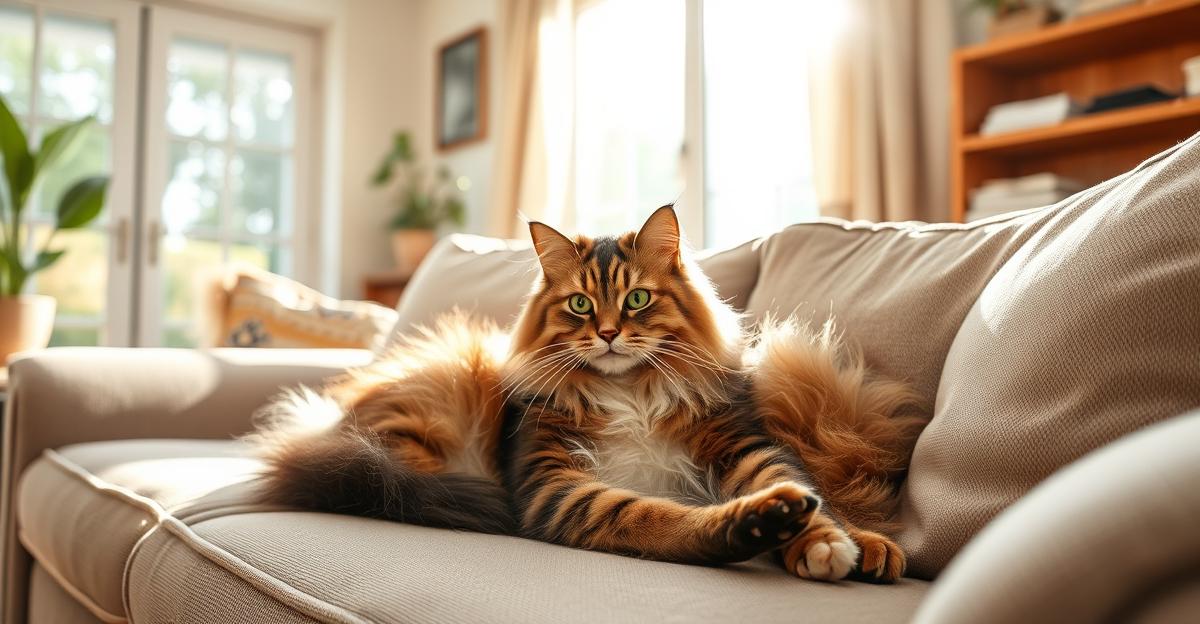
When you first meet a Maine Coon, it’s hard not to be swept away by its gentle giant charm. Their long, flowing fur, expressive eyes, and unmistakable “dog‑like” loyalty make them instantly lovable companions. Whether you’re a seasoned cat parent or just curious about this iconic breed, you’ll quickly discover that the Maine Coon’s playful personality is as big as its stature. In this article we’ll explore the breed’s rich history, standout traits, and everyday tips to keep your fluffy friend happy, healthy, and endlessly entertained. Get ready to dive into the world of the Maine Coon – a cat that truly embodies the spirit of fun and companionship.
History and Origins of the Maine Coon
The Maine Coon’s story begins in the misty forests of New England, where early settlers first spotted a large, rugged cat prowling around barns and farms. Legend has it that these cats were the offspring of domestic cats and the native “wild” bobcats, but genetic research shows they are a pure domestic breed that simply adapted to the harsh New England climate. Their thick, water‑repellent coat and sturdy build made them excellent mousers, protecting grain stores from rodents.
By the late 1800s, the Maine Coon had earned a reputation as “the gentle giant of the North.” The breed was officially recognized by the Cat Fanciers' Association in 1908, making it one of the earliest American cat breeds to receive formal acknowledgment. Over the decades, the Maine Coon’s popularity spread worldwide, thanks to its friendly nature and striking appearance.
Physical Traits That Make Them Stand Out
Every Maine Coon is a masterpiece of natural design. While individual cats vary, several hallmark features are consistent across the breed:
- Size: Males often weigh 13–18 lb (6–8 kg), with females slightly smaller at 9–12 lb (4–5.5 kg). Their long bodies and sturdy legs give them a regal presence.
- Coat: A dense, double‑layered coat protects them from cold weather. The outer guard hairs are water‑resistant, while the soft undercoat provides insulation.
- Tail: Their “plume” tail is long, bushy, and often carried low when the cat is relaxed, resembling a raccoon’s tail – a trait that contributed to the “Coon” part of their name.
- Ears: Large, tufted ears sit high on the head, giving them an alert, expressive look.
- Eyes: Wide, expressive eyes come in shades of green, gold, copper, or blue, depending on coat color.
- Color Patterns: From classic tabby to solid black, blue, and even the rare “silver” shades, the Maine Coon’s coat can display a dazzling array of patterns.
These physical traits not only contribute to their majestic appearance but also support their active, playful lifestyle.
Personality and Playful Behaviors
What truly sets the Maine Coon apart is its vibrant personality. Owners often describe them as “dog‑like” because of their loyalty, intelligence, and eagerness to be part of family activities. Here are some hallmark behaviors you’ll notice:
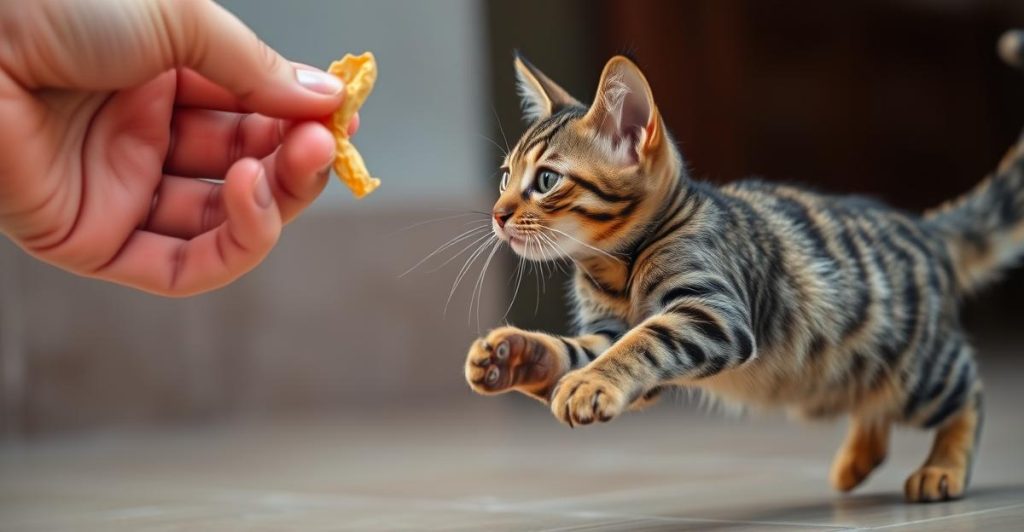
- Interactive Play: Maine Coons love games that involve fetch, chase, and problem‑solving. They’ll happily retrieve a tossed toy and bring it back for another round.
- Curiosity: Their inquisitive nature drives them to explore every nook and cranny, from high shelves to the back of cabinets.
- Gentle Giants: Despite their size, they’re typically gentle with children and other pets, making them excellent companions in multi‑pet households.
- Vocal Communication: Expect soft chirps, trills, and occasional “talking” when they’re excited or seeking attention.
- Affectionate Bonding: They often follow their owners from room to room, seeking lap time or a gentle head‑butt.
Understanding these traits helps you create an environment that satisfies their need for stimulation and companionship.
Creating a Happy Home Environment
To keep your Maine Coon thriving, focus on a balanced routine that blends comfort, enrichment, and social interaction. Below are practical steps to design a cat‑friendly home:
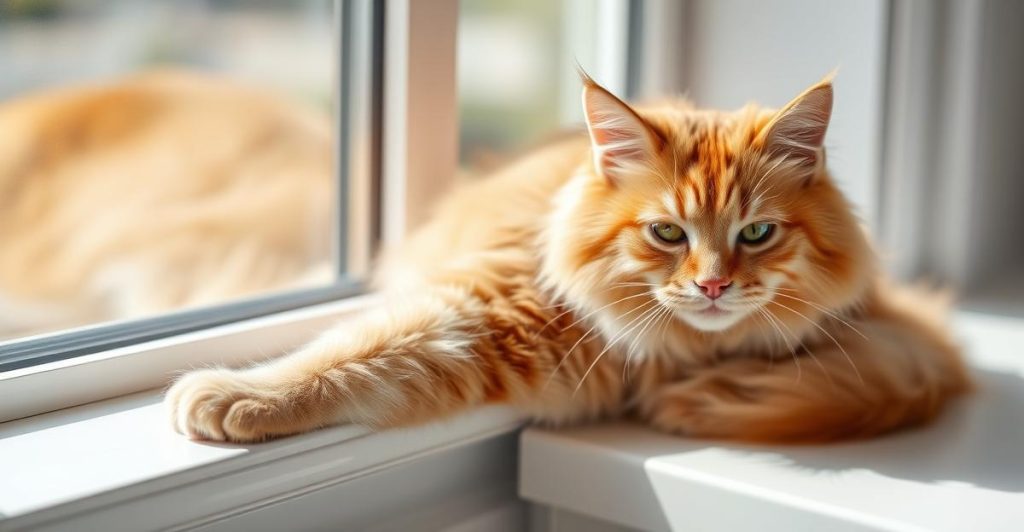
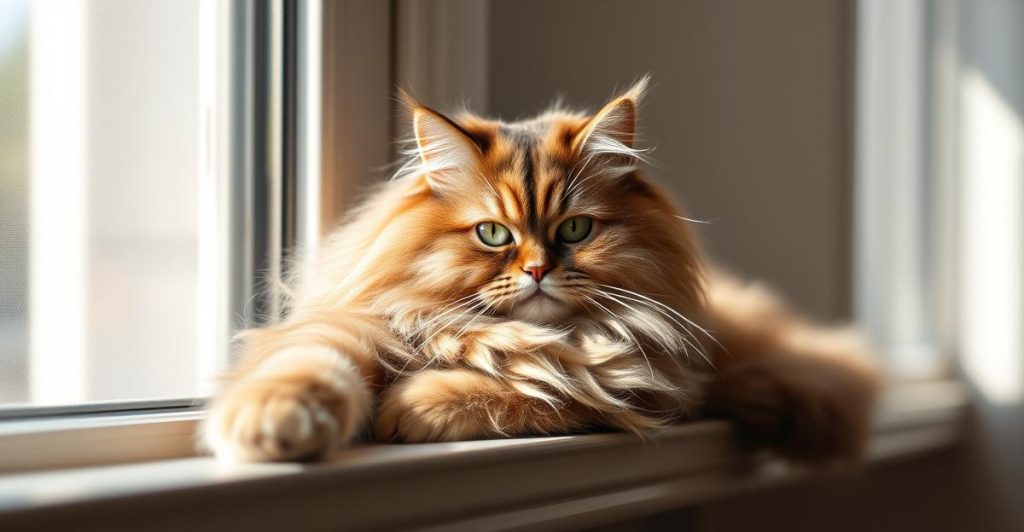
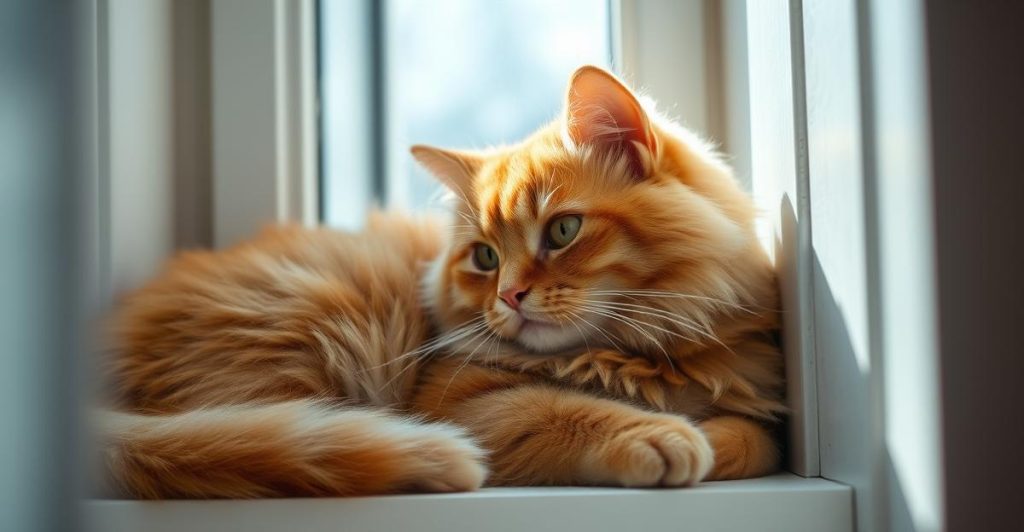
- Cozy Resting Spots: Provide multiple soft beds or blankets in sunny windows, high perches, and quiet corners.
- Vertical Space: Install sturdy cat trees or wall‑mounted shelves. Maine Coons love to climb and observe their kingdom from above.
- Safe Exploration Areas: Secure any hazardous items (cords, toxic plants) and create a cat‑proofed zone where they can roam freely.
- Consistent Feeding Routine: Offer fresh water and a balanced diet at the same times each day to establish predictability.
- Interactive Play Sessions: Dedicate at least 15–20 minutes twice daily for active play using wand toys, laser pointers, or feather sticks.
- Quiet Time: Respect their need for downtime; a content Maine Coon will often nap for 12–16 hours a day.
Enriching Playtime: Toys, Games, and Activities
Play is the heart of a Maine Coon’s daily happiness. By rotating toys and introducing new challenges, you keep their mind sharp and body active. Below are favorite categories of toys and games that spark their curiosity:
- Feather Wands: Mimic the movement of birds, triggering their natural hunting instincts.
- Puzzle Feeders: Simple treat‑dispensing puzzles encourage problem‑solving while providing a tasty reward.
- Interactive Laser Play: A moving dot stimulates chase behavior; always end with a tangible toy to prevent frustration.
- Fetch Toys: Small plush mice or soft balls can be tossed for a game of indoor fetch.
- Catnip‑Infused Items: While not every Maine Coon reacts to catnip, many enjoy the mild, uplifting sensation.
Remember to rotate toys every week to keep the excitement fresh. A varied play schedule also helps prevent boredom and promotes a balanced, joyful temperament.
Comparison Table: Indoor vs Outdoor Play Activities
| Aspect | Indoor Play | Outdoor Play (Safe Enclosed Area) |
|---|---|---|
| Safety | Fully controlled environment; no traffic or predators. | Requires secure, fenced area; risks from insects or weather. |
| Stimuli Variety | Limited to toys and household objects. | Natural scents, grass, sunlight, and varied terrain. |
| Physical Exercise | Depends on interactive toys and climbing structures. | More space for running, jumping, and exploring. |
| Social Interaction | Can involve family members and other indoor pets. | Potential encounters with other neighborhood cats. |
| Maintenance | Easy to clean toys; no outdoor gear needed. | Requires regular inspection of enclosure and weatherproofing. |
Grooming and Daily Care for a Contented Maine Coon
Despite their thick coat, Maine Coons are relatively low‑maintenance when you establish a consistent grooming routine. Here’s how to keep their fur shiny and skin healthy:
- Brushing: Use a wide‑tooth comb or a slicker brush 2–3 times a week to remove loose hair and prevent matting, especially behind the ears and under the belly.
- Bathing: Occasional baths (once every 2–3 months) with a gentle, cat‑safe shampoo can help remove dirt and reduce hairballs.
- Nail Trimming: Trim the tips every 2–4 weeks to avoid overgrowth; a quick “snip” of the transparent tip is sufficient.
- Dental Care: Offer dental chews or brush teeth with a feline‑specific toothbrush a few times a month to maintain fresh breath.
- Ear Checks: Gently wipe the outer ear with a soft cloth weekly to remove wax buildup.
Regular grooming not only keeps your Maine Coon looking magnificent but also strengthens the bond between you and your pet.
Socializing and Training Your Gentle Giant
Training a Maine Coon can be a rewarding experience, as they respond well to positive reinforcement and enjoy learning new tricks. Here are some effective methods:
- Clicker Training: Pair a click sound with a treat to mark desired behavior; use short, consistent sessions.
- Target Training: Teach your cat to touch a wand or stick with its nose, then guide it to perform actions like “high five” or “spin.”
- Leash Introduction: Gradually acclimate your Maine Coon to a harness and leash for safe supervised outdoor adventures.
- Reward‑Based Play: Use favorite toys as incentives for following commands such as “come” or “stay.”
- Gentle Handling: Practice regular petting and handling sessions to keep your cat comfortable with grooming, veterinary visits, and carrier travel.
Patience and consistency are key. Celebrate small victories, and always end training sessions on a positive note.
Frequently Asked Questions
Do Maine Coons get along with other pets?
Yes. Their gentle, sociable nature makes them excellent companions for dogs, other cats, and even small household pets. Early introductions and gradual exposure help ensure a harmonious relationship.
How much exercise does a Maine Coon need daily?
Aim for at least 30–45 minutes of active play split into two sessions each day. Interactive toys, climbing structures, and short supervised outdoor time (in a safe enclosure) provide the physical stimulation they crave.
What is the best way to manage shedding?
Regular brushing (2–3 times a week) removes loose hair before it ends up on furniture. Using a high‑quality de‑shedding tool and maintaining a healthy diet also support a sleek coat.
Are Maine Coons suitable for apartment living?
Absolutely. While they love space, providing vertical climbing options, interactive toys, and daily playtime satisfies their activity needs, making them happy even in smaller living areas.
Disclaimer: This article is intended for informational and entertainment purposes only. It does not replace professional veterinary advice. Always consult a qualified vet for your cat's health and dietary needs.