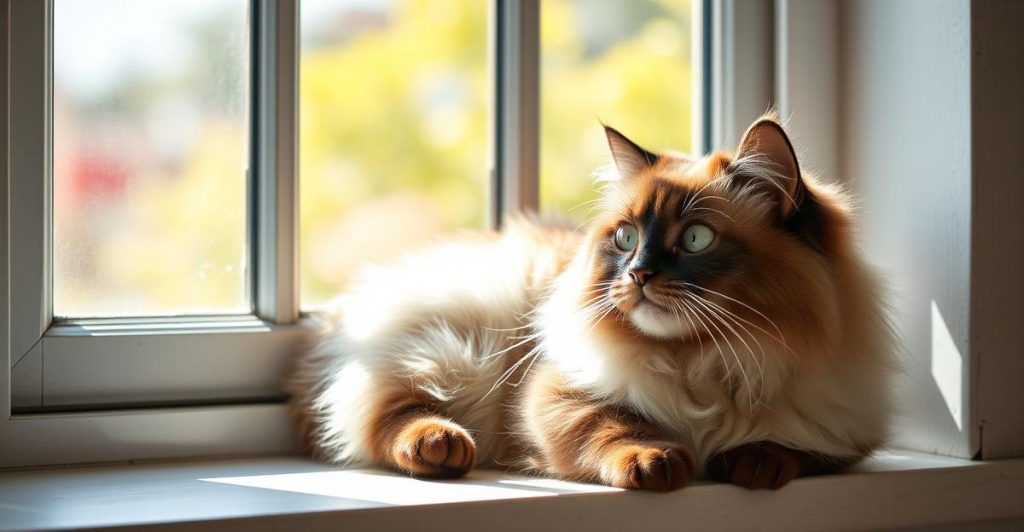

Why Teaching Your Cat to Come When Called Is a Game-Changer
Imagine the moment you call your feline friend’s name and, instead of a puzzled stare, you’re greeted by a graceful sprint across the room, tail held high, ready for a cuddle or a treat. That’s the magic of effective cat training—especially when it’s built around fun games that keep both you and your cat smiling. Training isn’t just about obedience; it’s a way to deepen the bond, boost your cat’s confidence, and add a dash of excitement to everyday life. In this guide, we’ll explore playful methods to teach your cat to come when called, turning a simple command into a rewarding adventure for both of you.
Understanding Your Cat’s Motivation
Before diving into games, it’s essential to grasp what drives your cat’s behavior. Cats are natural hunters, explorers, and social companions, each with unique preferences. By tapping into these innate motivations, you can shape training sessions that feel like play rather than a chore.
- Food Rewards: Most cats are highly motivated by tasty treats. Choose small, soft morsels that melt quickly so the focus stays on the training.
- Playtime: Feather wands, laser pointers, and crinkly balls can become powerful incentives when paired with a call.
- Affection: Gentle petting, chin scratches, and soft words can reinforce positive behavior for cats that crave attention.
Observe your cat’s favorite activities and use them as the cornerstone of your training routine. The more enjoyable the experience, the faster your cat will associate the “come” cue with something pleasant.
Step‑By‑Step Game Plan to Teach “Come”
Here’s a structured yet playful approach that transforms the “come” command into a game your cat will love.
1. Choose a Consistent Cue
Pick a short, distinct word or phrase—like “Here,” “Come,” or a fun whistle. Consistency is key; use the same cue every time you practice.
2. Set Up a Low‑Distraction Zone
Start in a quiet room where your cat feels safe. Remove loud noises and other pets that could divert attention.
3. Use the “Hide‑And‑Seek” Game
- Step A: Sit a few feet away with a treat in hand. Call your cat’s name followed by the cue.
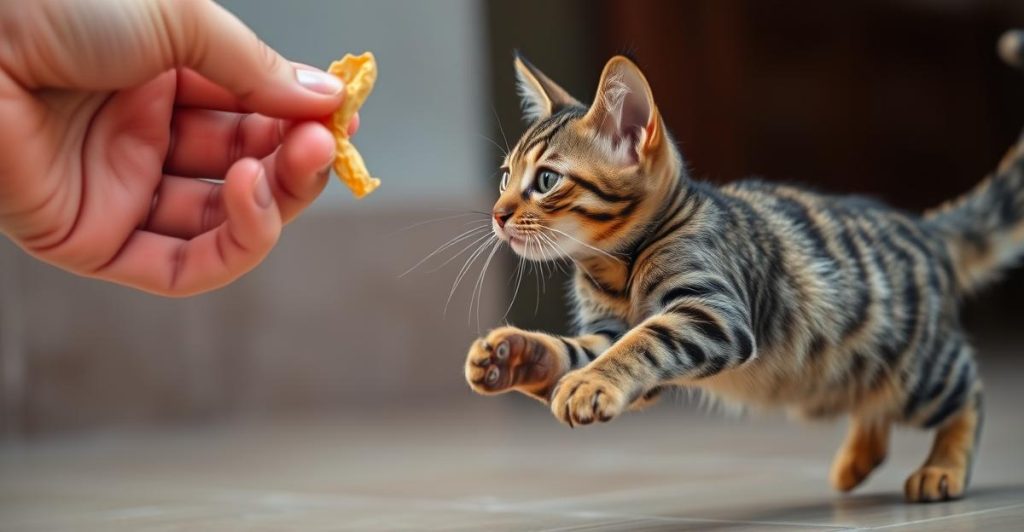
- Step B: When your cat looks toward you, gently toss the treat a short distance away.
- Step C: Encourage your cat to chase the treat and return to you for another reward.
Repeat this sequence, gradually increasing the distance. The chase element mirrors a natural hunt, making the “come” cue feel like part of play.
4. Incorporate the “Laser Tag” Method
- Turn on a laser pointer and let your cat chase the red dot for a minute.
- When you’re ready, stop the laser, call the cue, and point to a treat or favorite toy.
- Reward the instant your cat darts toward you.
This method combines high‑energy play with the training cue, reinforcing the idea that coming to you ends the exciting chase with a tasty payoff.
5. Add a “Reward Ladder”
Begin with treats every time, then slowly transition to verbal praise and gentle petting. Over time, your cat will respond to the cue even without a treat in hand, because the positive association remains strong.
6. Keep Sessions Short and Sweet
Cats have short attention spans. Aim for 5‑minute sessions, 2‑3 times a day. End each session on a high note with a successful “come” and a rewarding treat.
Tips for Making Training Fun and Sustainable
- Mix Up the Rewards: Rotate treats, toys, and affection to keep your cat guessing and excited.
- Use a Clicker (Optional): A clicker can mark the exact moment your cat responds, creating a clear link between the cue and the reward.
- Practice in Different Rooms: Once your cat reliably comes in one space, gradually introduce new environments to generalize the behavior.
- Stay Positive: Never punish a missed response. Instead, reset the game and try again with a fresh treat.
- Celebrate Small Wins: Even a partial approach toward you is progress. Offer praise to reinforce effort.
Indoor vs. Outdoor Play: Which Boosts Training Success?
Both indoor and outdoor activities can enhance your cat’s responsiveness to the “come” cue, but they offer different benefits. Below is a quick comparison to help you decide which mix works best for your household.
Indoor vs. Outdoor Play Activities
| Aspect | Indoor Play | Outdoor Play |
|---|---|---|
| Safety | Controlled environment; no traffic or predators. | Potential exposure to hazards; requires supervision or a secure enclosure. |
| Stimulus Variety | Limited to toys, furniture, and climbing structures. | Natural scents, birds, insects, and varied terrain. |
| Training Integration | Easier to use treats and clickers without wind or distractions. | Great for real‑world “come” practice; natural distractions reinforce focus. |
| Exercise Intensity | Can be high with interactive toys, but space may limit sprinting. | Typically higher; cats can run longer distances and explore. |
| Weather Dependence | All year round, regardless of weather. | Rain, heat, or cold may limit sessions. |
Creating a Training‑Friendly Environment
Setting the stage for success involves more than just the right games; it’s about designing a space where your cat feels confident and motivated.
Designated “Training Corner”
- Choose a quiet corner with a soft mat or blanket.
- Keep a basket of favorite treats, a clicker, and a few toys within arm’s reach.
- Use a low‑profile cat tree or scratching post nearby to maintain a sense of security.
Consistent Timing
Cats thrive on routine. Align training sessions with natural activity peaks—typically early morning and evening—when your cat is most alert.
Positive Scent Cues
Introduce a mild, cat‑friendly scent (like catnip or valerian) near the training area on occasional days. The pleasant aroma can boost enthusiasm without overwhelming your cat.
Common Challenges and How to Overcome Them
Even the most enthusiastic cat owners encounter obstacles. Below are typical hiccups and practical solutions.
1. “I’m Not Interested” – The Cat Walks Away
- Solution: Reduce the distance initially. Call from a few steps away and reward immediately. Gradually increase distance as confidence builds.
- Tip: Use a high‑value treat—something your cat rarely gets—to reignite interest.
2. “I Only Come for Food” – Over‑Reliance on Treats
- Solution: Introduce a “reward ladder.” After a few successful calls with treats, switch to verbal praise and gentle petting for the next few repetitions.
- Tip: Occasionally replace treats with a favorite toy chase to diversify rewards.
3. “The Cue Gets Lost in the Noise” – Distractions
- Solution: Practice in a quieter room first, then slowly add mild background sounds (like a ticking clock) to acclimate your cat.
- Tip: Keep the cue volume consistent—clear but not startling.
4. “My Cat Is Shy” – Fear of New Interactions
- Solution: Start with a “peek‑and‑call” method. Sit near your cat, call gently, and reward any movement toward you, even if it’s just a head turn.
- Tip: Use a soft, soothing tone. Over time, the cat will associate the cue with a calm, safe experience.
Celebrating Success: Turning “Come” Into a Daily Habit
When your cat reliably responds to the cue, it’s time to weave the behavior into everyday life. Here are ideas to keep the momentum going:
- Meal Times: Call your cat to the feeding station each morning and evening. The routine reinforces the cue while providing a natural, happy moment.
- Play Breaks: Use the “come” cue before a scheduled play session. Your cat will learn that responding leads to fun.
- Grooming Sessions: Invite your cat onto your lap for a quick brush after a successful call, pairing the cue with soothing touch.
- Family Involvement: Teach other household members the same cue and reward system. Consistency across people strengthens the behavior.
Remember, the ultimate goal isn’t just obedience; it’s creating a joyful, interactive relationship where your cat feels understood, safe, and eager to engage.
FAQ
How many times a day should I practice the “come” command?
Short, frequent sessions work best. Aim for 5‑minute training bouts 2‑3 times daily, especially during your cat’s natural activity peaks.
Can I use a clicker if my cat has never heard one before?
Yes! Introduce the clicker by “charging” it—click, then immediately give a treat. After a few repetitions, the click becomes a clear marker for the desired behavior.
What if my cat only responds when I have a treat in hand?
Gradually transition to verbal praise and gentle petting as rewards. Mix in occasional treat rewards to keep motivation high while teaching that the cue itself is rewarding.
Is it okay to train my senior cat the same way?
Absolutely, but adjust the pace. Senior cats may need longer rest periods and lower‑intensity games. Focus on gentle encouragement and use softer treats that are easy to chew.
Disclaimer: This article is intended for informational and entertainment purposes only. It does not replace professional veterinary advice. Always consult a qualified vet for your cat's health and dietary needs.