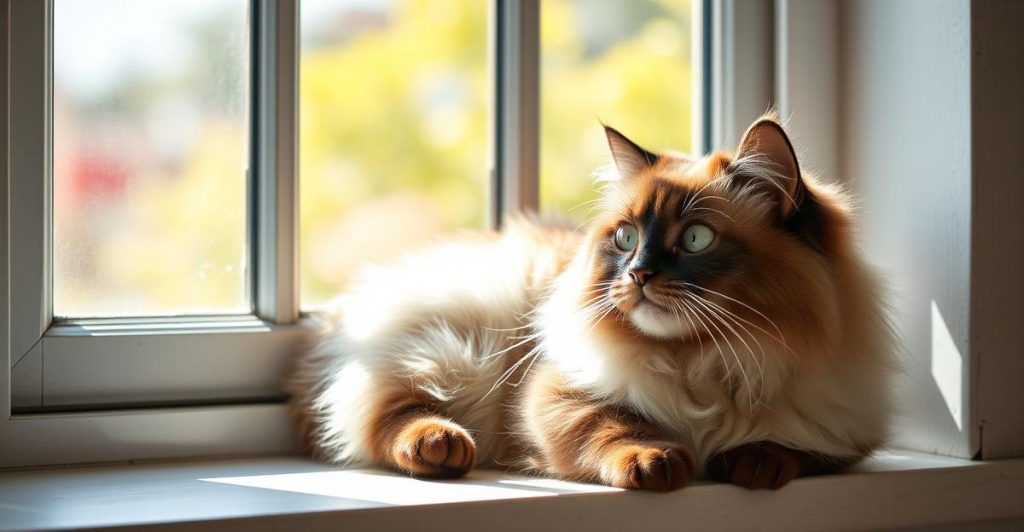

Ever caught your feline friend locked in a silent, unblinking gaze at an empty corner of the room? You might have wondered if the cat stare is a sign of something mysterious—or perhaps a secret invitation to a game you haven’t yet discovered. Most cat owners have experienced that moment when their whiskered companion seems to be watching “nothing” with the intensity of a seasoned detective. The good news is that this behavior is usually a normal part of a cat’s curious nature, and with a little creativity you can transform those puzzling pauses into playful, confidence‑boosting sessions that keep your kitty happy and mentally sharp.
The Mystery Behind the Cat Stare
Cats are natural hunters, and their eyes are built for spotting even the tiniest movement. A cat stare often occurs when a feline’s attention is caught by something subtle—like a flicker of light, a drifting dust mote, or a faint shadow that humans simply overlook. Because cats have a wider field of view and can detect motion at lower light levels, they sometimes appear to be staring at “nothing” when, in fact, they’re observing a stimulus that’s invisible to us.
Another common trigger is the cat’s internal clock. Cats are crepuscular, meaning they’re most active during dawn and dusk. During these periods, their senses are on high alert, and a brief pause to focus on a distant point can be a way of resetting their mental radar before a burst of activity.
Understanding the cat stare helps you recognize that it’s not a sign of distress, but rather a snapshot of your cat’s alertness and curiosity. When you know what’s happening inside that whiskered head, you can respond in ways that satisfy the instinctual need to hunt, explore, and engage.
What Your Cat Might Be Seeing (or Thinking)
While we can’t read a cat’s mind, research on feline perception gives us clues about what could be catching their eye. Below are a few possibilities that often turn a simple stare into a moment of feline fascination:
- Micro‑movements: Tiny insects, a fluttering curtain, or even the gentle rise and fall of a nearby plant can hold a cat’s attention for several seconds.
- Light reflections: Sunlight bouncing off a glossy floor, a glint from a glass, or a laser pointer’s stray beam can create a captivating point of focus.
- Air currents: A subtle draft may cause a piece of paper or a loose thread to sway, prompting a cat to watch intently.
- Imaginary play: Cats sometimes “play” with invisible prey, especially when they’re bored or lacking stimulation. This is their way of rehearsing hunting skills.
When you notice a cat stare, pause for a moment and scan the environment. You may discover the hidden trigger, and you’ll have the perfect opening to engage your pet in a fun, interactive game.
Turning the Stare into Interactive Play
Now that you know the cat stare often stems from curiosity, you can channel that energy into structured play that satisfies both mind and body. Here are step‑by‑step ideas to transform a puzzling pause into a rewarding activity:
- Spot the Trigger Game: Gently point out the source of the stare (e.g., a moving feather or a rolling ball). Encourage your cat to pounce or bat at it, reinforcing the connection between observation and action.
- Laser Light Chase: If a stray light caught your cat’s eye, use a laser pointer to create a controlled “prey” path. Move the dot slowly at first, then increase speed to mimic a fleeing mouse.
- Interactive Puzzle Toys: Place a treat inside a treat‑dispensing ball and let your cat watch as it rolls. The anticipation of the treat keeps the stare focused and turns it into problem‑solving fun.
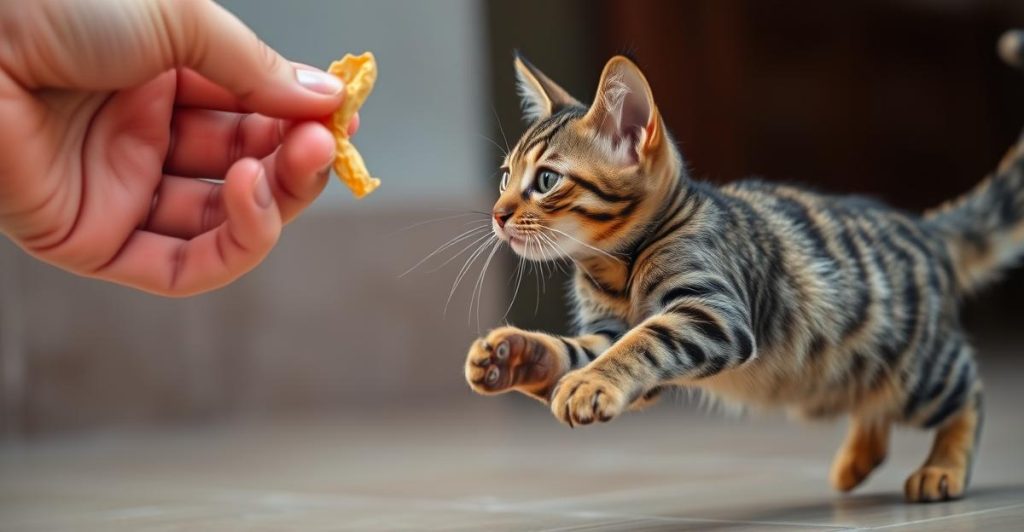
- Feather Wand “Hunt”: Swing a feather wand in short, unpredictable bursts. The flickering movement mimics a bird’s flight, encouraging the cat to stalk and pounce.
- Sound‑Stimulated Play: Crinkle a paper bag or shake a small bell near the area of the stare. The added auditory cue can spark a hunting response.
Remember to keep sessions short—5 to 10 minutes—so your cat stays enthusiastic without becoming overstimulated. End each playtime with a gentle petting session or a calming chin rub to reinforce the bond.
Enriching Your Home for Curious Cats
Even when the cat stare isn’t linked to an obvious stimulus, providing a stimulating environment reduces the frequency of “empty‑space” gazing and encourages active exploration. Below is a quick comparison of two popular enrichment approaches, helping you decide which fits your home and lifestyle best.
Indoor vs. Outdoor Play Activities
| Aspect | Indoor Play | Outdoor Play (Secure Enclosed Area) |
|---|---|---|
| Safety | Fully controlled; no traffic or predators. | Requires a catio or enclosed garden; still risk of insects. |
| Stimulation | Can use toys, climbing trees, puzzle feeders. | Natural scents, birds, wind‑blown leaves add variety. |
| Space Needs | Vertical space (shelves, perches) compensates for limited floor area. | More ground space for running and chasing. |
| Weather Dependence | Year‑round, climate‑independent. | Seasonal; may need shelter or indoor backup. |
| Maintenance | Easy to clean toys; less dirt. | Regular checks for escape routes; cleaning outdoor gear. |
Whether you choose indoor or outdoor enrichment, the goal is the same: give your cat a variety of sensory experiences that keep their eyes bright and their mind engaged. Adding window perches, rotating toys weekly, and using scent diffusers with cat‑safe herbs (like catnip or silvervine) can further reduce the “blank stare” moments.
Building a Routine That Keeps Their Eyes Happy
Consistency is key to a cat’s sense of security. By integrating short, focused play sessions into your daily schedule, you’ll notice fewer idle stares and more purposeful, joyful interactions. Here’s a simple routine blueprint you can adapt:
- Morning Warm‑Up (5‑10 min): Use a feather wand or laser pointer to spark a quick hunt after breakfast.
- Mid‑Day Enrichment (5 min): Rotate a puzzle feeder or hide a treat in a paper roll while you’re working from home.
- Evening Wind‑Down (10 min): Engage in a slower game—like a string or soft plush—followed by gentle grooming or a chin rub.
- Nighttime Observation: Place a comfortable perch near a window; the changing light and passing birds provide natural visual stimulation before bedtime.
Notice how your cat’s stare often precedes a burst of activity. By responding promptly with a play cue, you turn a passive moment into a confidence‑building exercise that reinforces their natural instincts while deepening your bond.
Understanding Body Language: When a Stare Is More Than Play
While most cat stares are harmless, it’s useful to read the accompanying body signals. A relaxed posture, slow blinking, and a gently swishing tail usually mean the cat is simply curious. In contrast, a stiff body, flattened ears, or a rapid, twitching tail could indicate heightened alertness. In those cases, give your cat a little space and observe whether the stare fades on its own.
By learning these subtle cues, you’ll know when to intervene with a toy and when to let your cat simply enjoy a moment of quiet observation. This nuanced approach respects their independence while still offering opportunities for interactive fun.
FAQ
Why does my cat stare at a wall for several minutes?
Most often, the cat is reacting to a tiny movement—like a dust particle—or a subtle change in light. It’s a normal hunting‑instinct behavior and an excellent cue for you to start a short play session.
Can the cat stare be a sign of boredom?
Yes, a lack of stimulating activities can lead to longer stare periods. Adding puzzle toys, rotating play objects, and scheduling brief interactive sessions can help keep your cat mentally satisfied.
Should I ever be concerned if my cat seems to stare at “nothing” all day?
If the stare is accompanied by other signs of stress—such as hiding, loss of appetite, or changes in grooming habits—it’s wise to observe for a day or two and then consult a veterinarian for a routine wellness check.
How can I use the cat stare to teach my cat tricks?
Use the moment your cat is focused on a point as a cue to introduce a command like “watch me” or “come.” Reward with a treat when they respond, gradually building a positive association between the stare and interactive learning.
Disclaimer: This article is intended for informational and entertainment purposes only. It does not replace professional veterinary advice. Always consult a qualified vet for your cat's health and dietary needs.