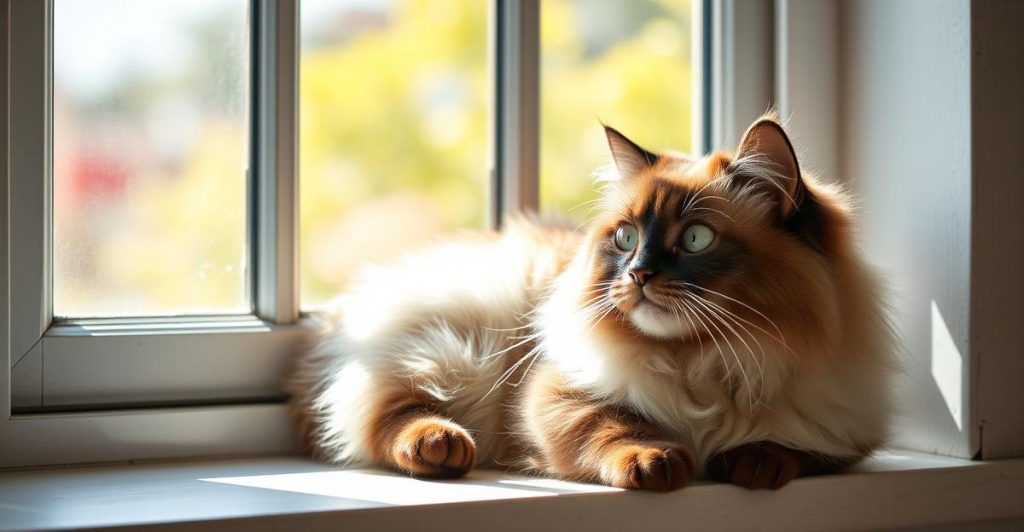

Imagine the soft patter of tiny paws as your feline friend darts around a bowl of shimmering water, eyes bright with curiosity. A well‑hydrated cat is a playful, content cat, and the secret to that sparkle often lies in turning everyday meals into a fun, water‑rich adventure. In this article we’ll explore inventive feeding ideas that keep your cat hydrated and happy, all while celebrating the simple joy of a well‑balanced routine. Whether you’re a seasoned cat parent or a new adopter, these tips will help you weave “cat hydration” into every mealtime, turning ordinary bowls into sources of excitement and wellness.
Why Hydration Matters for a Happy Cat
Water is the cornerstone of a cat’s overall well‑being. While felines have a natural instinct to seek moisture in their prey, domestic cats often rely on us to provide the fluids they need. Proper hydration supports:
- Energetic play sessions and agile movements
- Glossy, healthy coats that shine in the sunlight
- Sharp mental focus for those sudden pounce moments
- A comfortable digestive rhythm that makes litter box visits pleasant
When cats enjoy their water, they’re more likely to stay active, explore their environment, and exhibit that signature “happy tail‑wiggle.” The goal isn’t just to fill a bowl; it’s to create a delightful ritual that encourages sipping throughout the day.
Playful Feeding Techniques to Boost Water Intake
Turning meals into a game can dramatically increase the amount of liquid your cat consumes. Below are proven techniques that transform ordinary feeding times into interactive hydration experiences.
- Ice Cube Chasing: Freeze low‑sodium broth or plain water into small cubes. Place them near the food bowl and watch your cat bat, roll, and eventually lick them clean.
- Water‑Infused Puzzle Feeders: Use a treat‑dispensing ball that holds a tiny reservoir of water. As your cat rolls the ball, the water slowly drips out, rewarding curiosity with both snack and sip.
- Layered Moisture Meals: Start with a thin layer of water or cat‑safe broth, add a spoonful of wet food, then top with a dry kibble sprinkle. The layered texture invites licking between bites.
- Interactive Fountain Play: Many cats love the sound of moving water. Position a shallow, cat‑friendly fountain near the feeding area and let the gentle flow entice gentle sips between bites.
- Flavor‑Boosted Water: Add a few drops of tuna juice (from water‑packed tuna) or a splash of chicken broth to a water bowl. The subtle aroma can turn a plain bowl into a fragrant invitation.
Creative Water Sources Your Cat Will Love
Variety is the spice of life—and hydration. Offering multiple water stations encourages exploration and frequent drinking.
- Multiple Bowls: Place small, shallow bowls in different rooms, especially near sunny spots or favorite napping corners.
- Ceramic vs. Stainless Steel: Some cats prefer the cool feel of ceramic, while others love the sleek look of stainless steel. Rotate the material to discover your cat’s preference.
- Pet‑Safe Water Bottles: Attach a small, spill‑proof water bottle to a cat tree or scratching post for on‑the‑go hydration during play.
- DIY Water Garden: Fill a shallow tray with pebbles and a thin layer of water. Cats love to paw at the stones, creating ripples that invite licking.
- Seasonal Flavors: In summer, add a few ice cubes; in cooler months, warm the water slightly (room temperature) to make it more inviting.
Incorporating Hydration into Daily Routines
Consistency turns hydration into a habit. By weaving water‑rich moments into your cat’s day, you’ll see a natural increase in fluid intake.
- Morning Mist: Lightly mist a dry food bowl with water before serving. The gentle dampness adds moisture without altering the food’s flavor.
- Midday Water Break: Set a reminder to refill the water fountain and rotate the bowl locations, turning the refill into a mini adventure.
- Evening Play‑Hydration Combo: After a short play session, offer a small bowl of chilled broth as a “cool‑down” treat.
- Bedtime Hydration Ritual: Place a small water dish on the nightstand beside your cat’s sleeping spot. A quick sip before snoozing becomes a comforting cue.
- Travel‑Ready Hydration: Keep a portable water dispenser in your bag for outings to the vet, groomer, or a friend’s house. Familiarity with the bottle reduces stress and encourages drinking.
Fun Treats and Recipes That Encourage Drinking
Homemade, cat‑safe treats can double as hydration boosters. Below are simple, no‑cook ideas that blend flavor with moisture.
- Frozen Yogurt Bites: Mix plain, unsweetened yogurt with a splash of chicken broth, spoon into ice‑cube trays, and freeze. Offer one or two as a cool snack.
- Broth‑Soaked Kibble: Lightly soak a handful of kibble in low‑sodium broth for a minute, then drain excess liquid. The kibble becomes juicy, prompting extra licking.
- Water‑Rich Fruit Pops: Small pieces of cat‑safe fruit such as cantaloupe or watermelon (seedless) blended with water and frozen into mini pops. Serve a tiny piece for a refreshing treat.
- Herb‑Infused Water: Add a sprig of cat‑nip or a few cat‑mint leaves to a water bowl. The subtle scent can entice curious sippers.
- Salmon Gelatin Cups: Dissolve plain gelatin in warm water, stir in a teaspoon of pureed salmon, pour into silicone molds, and refrigerate. The gelatin provides a wobbly, water‑laden snack.
Wet Food vs. Dry Food: Hydration Impact
| Food Type | Approx. Moisture % | Typical Serving Size | Hydration Contribution | Best For |
|---|---|---|---|---|
| Wet Food (canned) | 70–80% | 3‑4 ounces (85‑115 g) | High – adds significant liquid to daily intake | Cats who prefer soft textures and need extra moisture |
| Dry Food (kibble) | 8–12% | ¼ cup (30 g) | Low – primarily contributes calories, not fluids | Active cats who enjoy crunchy bites |
| Hybrid Mix (wet + dry) | 30–45% (combined) | Half wet portion + half dry portion | Moderate – balances texture with added moisture | Owners seeking variety while boosting hydration |
Putting It All Together: A Sample Day of Playful Hydration
Here’s a snapshot of how you can weave the ideas above into a single day, creating a rhythm that keeps your cat both entertained and well‑hydrated.
- 7:00 AM – Morning Mist: Lightly mist the dry kibble bowl, then serve breakfast.
- 9:30 AM – Ice Cube Chase: Place two frozen broth cubes near the water fountain for a short play break.
- 12:00 PM – Midday Fountain Refresh: Refill the fountain with fresh water, add a sprig of cat‑nip, and watch your cat investigate.
- 2:00 PM – Puzzle Feeder Fun: Fill a treat‑dispensing ball with a spoonful of wet food and a dash of water; let your cat roll for a snack and sip.
- 5:30 PM – Evening Play‑Hydration Combo: After a 10‑minute feather wand session, offer a chilled broth cup.
- 8:00 PM – Bedtime Hydration Ritual: Place a small ceramic bowl with room‑temperature water on the nightstand for a final sip before sleep.
Repeating this pattern, with small variations, helps your cat associate meals, play, and rest with enjoyable water experiences, fostering a lifelong habit of happy hydration.
FAQ
How much water should an average indoor cat drink each day?
While individual needs vary, most indoor cats thrive when they have access to fresh water at all times and consume roughly 2‑4 ounces (60‑120 ml) of water per 5 pounds of body weight daily, especially when their diet includes moist foods.
Can I use human broth or stock for my cat’s water?
Yes, as long as it is low‑sodium, free of onions, garlic, or added spices. A small splash can add flavor without overwhelming the cat’s natural palate.
My cat prefers running water. Will a fountain replace the need for multiple bowls?
A fountain is an excellent centerpiece for hydration, but many cats still enjoy exploring different locations. Providing a couple of additional shallow bowls can satisfy curiosity and encourage more frequent sipping.
Are frozen treats safe for all cats?
Frozen treats made from plain, cat‑safe ingredients are generally safe. Always supervise the first few bites to ensure your cat can handle the texture, and avoid any added sugars or artificial flavors.
Disclaimer: This article is intended for informational and entertainment purposes only. It does not replace professional veterinary advice. Always consult a qualified vet for your cat's health and dietary needs.