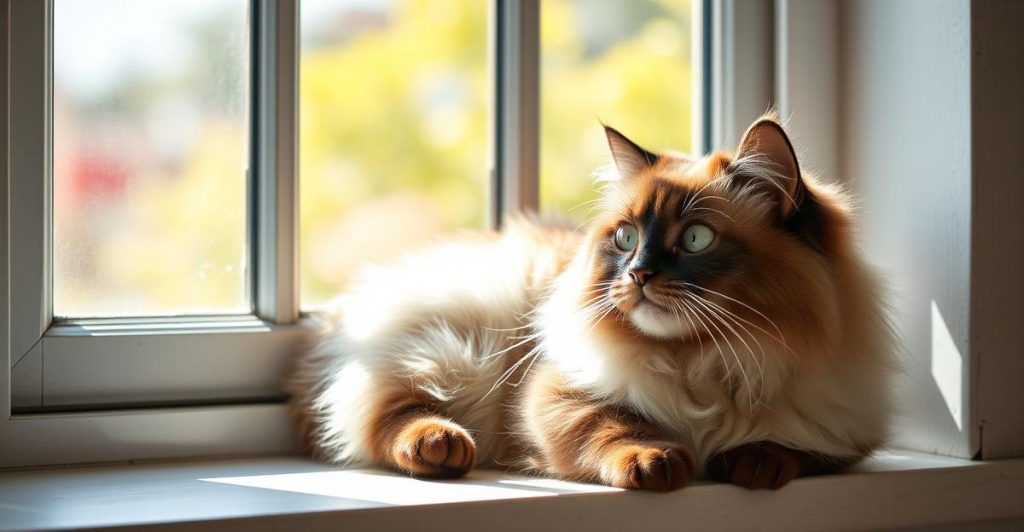

Imagine coming home after a long day to find your feline friend perched atop a lofty perch, tail flicking with contentment, eyes bright with curiosity. That’s the magic of an indoor cat playground—an environment that transforms ordinary rooms into wonderlands where whiskers twitch, paws pounce, and every corner invites exploration. Whether you live in a cozy studio or a spacious house, you can craft a purrfect playground that satisfies your cat’s natural instincts while keeping your furniture intact. In this guide we’ll walk through the essential elements, budget‑friendly DIY projects, and clever rotation tricks that keep indoor cats happy, active, and thriving.
Know Your Cat’s Play Personality
Before you start hanging shelves or scattering toys, take a moment to observe how your cat interacts with the world. Some cats are high‑energy hunters who love to chase feather wands, while others prefer gentle swats at crinkly balls or a quiet perch to watch the outside world. Understanding these preferences will help you tailor the indoor cat playground to match their unique style.
- Hunter‑type: Enjoy fast‑moving toys, tunnels, and vertical climbs.
- Explorer‑type: Love varied textures, hidden nooks, and puzzle feeders.
- Lounger‑type: Prefer soft bedding, window seats, and low‑key interactive toys.
Spend a week noting which toys get the most enthusiastic response, which spots they gravitate toward, and how long they stay engaged. This “play audit” will be your blueprint for building a playground that feels tailor‑made.
Essential Elements of an Indoor Cat Playground
A balanced indoor playground combines vertical space, interactive toys, and cozy retreats. Here’s a quick checklist of the core components you’ll want to include:
- Vertical climbing zones: Cat trees, wall‑mounted shelves, or sturdy bookcases give cats the chance to stretch, observe, and feel safe above the ground.
- Horizontal pathways: Ramps, tunnels, and low‑profile bridges let cats glide between rooms without losing momentum.
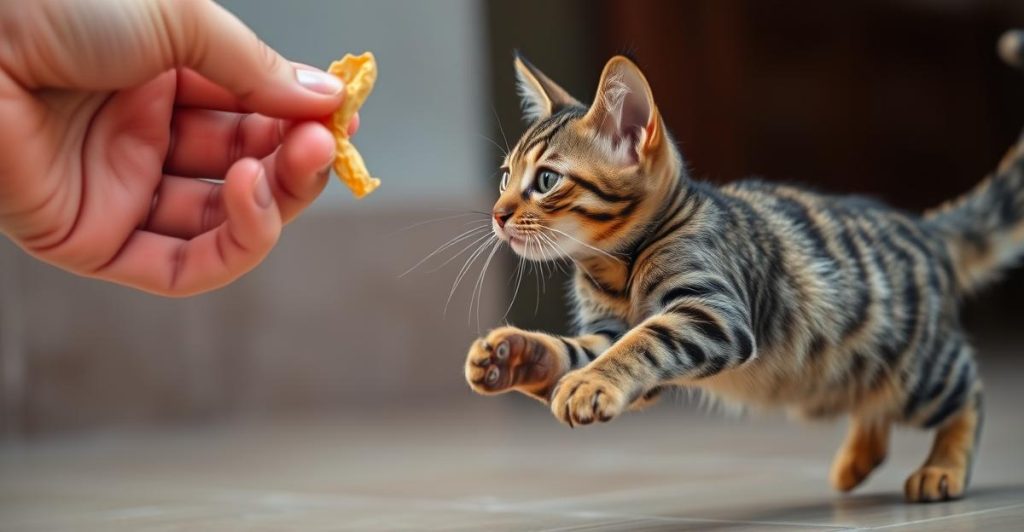
- Interactive enrichment: Feather wands, laser pointers, and treat‑dispensing puzzles keep the brain active.
- Resting retreats: Soft hammocks, window perches, or a simple blanket in a quiet corner provide a place to recharge.
- Sensory stations: Scratch posts, crinkly paper, and cat‑mint (catnip) patches stimulate scent and touch.
When arranging these pieces, think like a feline architect. Cats love to see a clear line of sight from a high perch to a low hideaway, so place climbing structures opposite a cozy nook. This creates a natural “hunt‑and‑hide” circuit that encourages movement and curiosity.
DIY Enrichment Ideas That Won’t Break the Bank
Professional cat furniture can be pricey, but many engaging features can be crafted from everyday household items. Below are five budget‑friendly projects that add excitement without compromising safety.
1. Cardboard Castle
Gather a few sturdy cardboard boxes of varying sizes. Cut entry holes on opposite sides, then tape them together to form a multi‑level castle. Add a blanket inside for comfort and sprinkle a few feather toys for extra allure. Cats love the crunch of cardboard and the sense of ownership that comes with a personal hideout.
2. DIY Sisal Scratch Post
Take a wooden dowel (about 12‑inch length) and tightly wrap it with natural sisal rope, securing the ends with non‑toxic glue. Mount the post vertically on a wall or embed it in a sturdy base. This provides a satisfying outlet for clawing while protecting your furniture.
3. Hanging Feather Mobile
Use a wooden dowel or an old picture frame as a base, then attach strings of feather toys, bells, or lightweight plush toys at varying lengths. Hang the mobile from a ceiling hook or a sturdy bookshelf. The gentle sway mimics bird flight, encouraging pouncing and swatting.
4. Puzzle Treat Box
Take a shallow plastic container, cover the top with a piece of perforated paper, and hide a few kibble pieces or cat treats underneath. Your cat will bat, paw, and nudge the paper to uncover the goodies, providing mental stimulation and a sense of achievement.
5. Window Perch Shelf
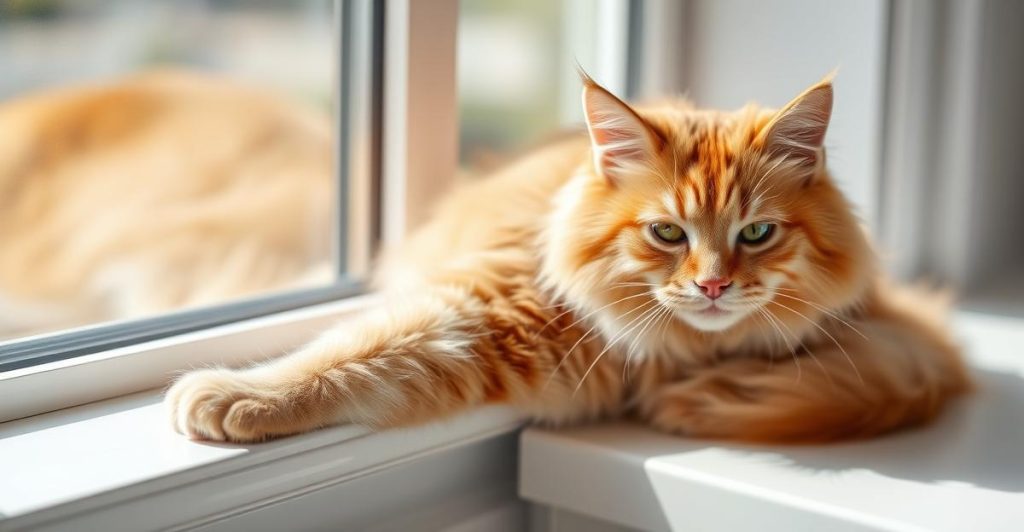
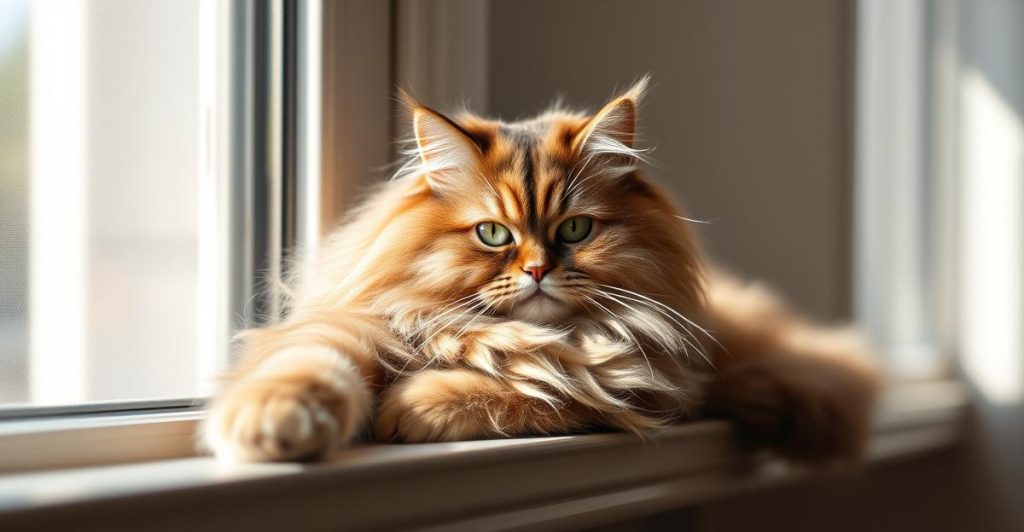
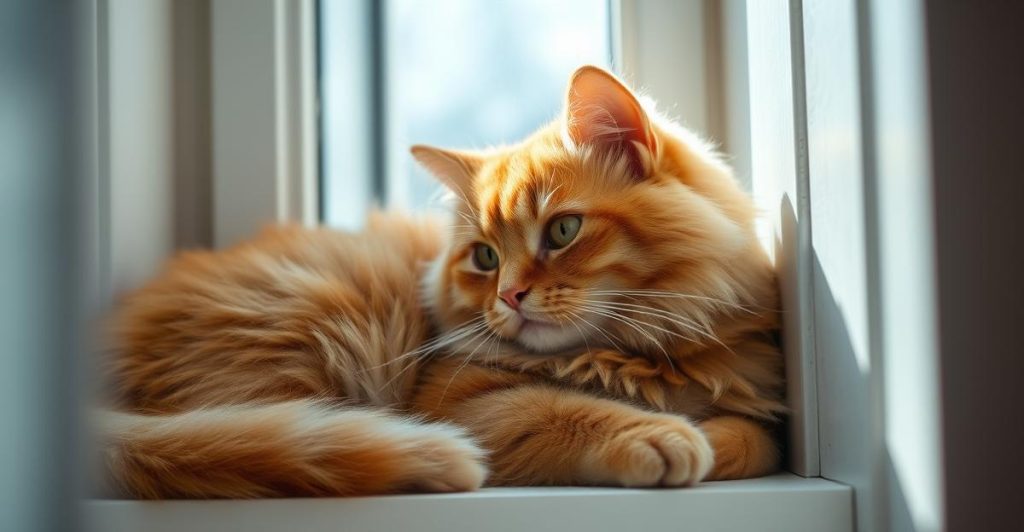
Install a simple floating shelf near a sunny window using sturdy brackets. Add a soft cushion or a reversible fleece blanket. Cats love to watch birds, squirrels, and passing people, turning an ordinary window into a live “cat TV” station.
These projects are not only cost‑effective, they also let you customize the playground to suit your cat’s size, color, and personality. Plus, the act of building together can be a bonding experience for you and your feline companion.
Rotating Toys and Activities for Ongoing Excitement
Even the most elaborate playground can become stale if the same toys are left out indefinitely. To keep curiosity alive, adopt a rotation system that introduces “new” items on a regular schedule.
- Weekly swap: Store half of the toys in a sealed bag and switch them out every 7 days.
- Seasonal themes: Use holiday‑themed toys (e.g., feather pumpkins for fall) to add novelty.
- Interactive play sessions: Dedicate 10‑15 minutes each day to active play with wand toys or laser pointers, reinforcing the bond and providing exercise.
- Enrichment calendar: Mark a simple calendar with “toy of the day” to ensure variety.
Rotating not only prevents boredom but also extends the lifespan of your toys, as each item gets a chance to rest and stay fresh in your cat’s mind.
Safety and Maintenance Tips for a Happy Space
Creating a vibrant indoor cat playground is rewarding, but safety should always be a top priority. Here are key maintenance habits to keep the environment secure and enjoyable.
- Secure anchoring: Ensure shelves, perches, and wall‑mounted toys are firmly attached to studs or use heavy‑duty anchors.
- Inspect regularly: Check for loose screws, frayed rope, or cracked plastic weekly; replace any worn components promptly.
- Non‑toxic materials: Use pet‑safe paints, glues, and finishes. Avoid treated woods or fabrics with strong chemicals.
- Cleanliness: Wash fabric covers, blankets, and soft toys in mild detergent to reduce hairball buildup and odors.
- Escape prevention: If you have windows that open, install sturdy screens or keep them closed while the cat is on the perch.
By staying vigilant, you’ll provide a playground that remains both stimulating and safe, allowing your cat to explore with confidence.
Comparison: Vertical vs. Horizontal Play Structures
| Feature | Vertical Play (Shelves, Trees) | Horizontal Play (Tunnels, Ramps) |
|---|---|---|
| Primary Benefit | Encourages climbing, improves balance, offers high‑perch observation | Facilitates running, crawling, and low‑ground exploration |
| Space Requirement | Uses wall height; minimal floor footprint | Needs floor space; can be placed along walls or corners |
| Ideal For | Hunter‑type and explorer‑type cats who love heights | Lounger‑type and energetic cats who enjoy tunnels and speed |
| Installation Difficulty | Requires secure mounting, may need hardware tools | Usually simple assembly, often plug‑and‑play |
| Maintenance | Check anchoring points, clean climbing surfaces | Inspect for tears, wash fabric tunnels regularly |
Putting It All Together: A Sample Playground Layout
Below is a step‑by‑step example of how you might arrange the elements in a typical 12‑by‑14‑foot living room.
- Corner A – Vertical Zone: Install two staggered wall shelves (12‑inch and 18‑inch heights) with a soft hammock on the lower shelf. Add a tall cat tree opposite the window.
- Center – Horizontal Pathway: Lay a curved tunnel that connects the two vertical zones, allowing your cat to dash from perch to perch.
- Side Wall – Sensory Station: Mount a DIY sisal post and a hanging feather mobile at cat eye level.
- Window Area – Viewing Perch: Place a floating shelf with a plush cushion near the sunny window, and add a bird‑watching feeder outside for extra entertainment.
- Quiet Corner – Resting Retreat: Set a soft blanket and a few low‑profile toys in a low‑traffic area for naptime.
This layout creates a seamless flow: high observation points, fast‑track tunnels, and cozy rest spots, all within easy reach. Adjust the arrangement to fit your home’s dimensions, and remember that flexibility is key—cats love to rearrange their own spaces, so be open to moving pieces as preferences evolve.
Final Thoughts: Keep the Play Spirit Alive
The most rewarding indoor cat playgrounds are those that evolve alongside your cat’s changing moods and energy levels. By mixing vertical and horizontal elements, rotating toys, and maintaining a safe environment, you’ll foster a lifestyle that promotes happiness, exercise, and mental sharpness. Remember, the goal isn’t just to fill a room with gadgets, but to create a living, breathing adventure that satisfies your cat’s natural curiosity while strengthening the bond you share.
Frequently Asked Questions
How often should I change the toys in my cat’s playground?
Rotating toys every 7‑10 days keeps novelty high and prevents boredom. Store half of the toys in a sealed container and swap them out weekly.
Can I use regular houseplants in the playground?
Yes, as long as the plants are non‑toxic to cats. Cat‑friendly options like cat grass, spider plant, or valerian can add scent stimulation without risk.
What’s the best way to encourage a shy cat to use the new playground?
Place treats or a favorite toy on each new element to invite exploration. Sit nearby and gently coax with a feather wand, rewarding any tentative steps with praise and a small treat.
Do I need a separate litter box near the playground?
It’s helpful to keep the litter box in a quiet, low‑traffic area, but not directly adjacent to high‑activity zones. Cats appreciate a calm space for bathroom needs separate from play areas.
Disclaimer: This article is intended for informational and entertainment purposes only. It does not replace professional veterinary advice. Always consult a qualified vet for your cat's health and dietary needs.