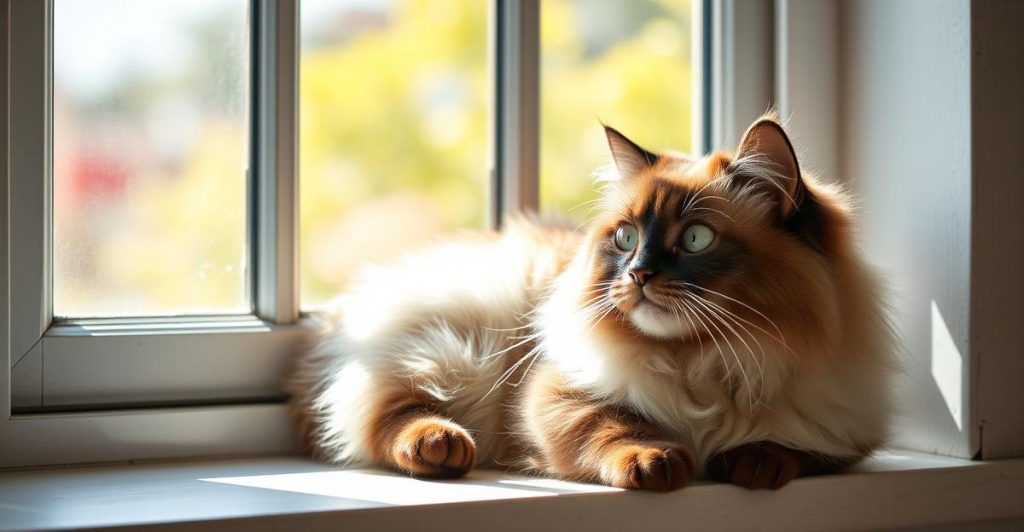

Ever caught your feline friend locked in a silent, wide‑eyed stare at a corner of the room, a blank wall, or even the air itself? You’re not alone. Many cat owners experience those puzzling moments when their cat seems to be watching “nothing” and wonder what secret world lies beyond our perception. The phenomenon, often described as “cat staring,” is a window into a cat’s instinctual mind, sensory sharpness, and emotional state. Understanding why your cat does this can deepen the bond you share, enhance daily interactions, and help you create an environment that satisfies their natural curiosity while keeping them happy and relaxed.
Why Cats Do the Stare‑Down: Evolutionary Roots
Domestic cats descend from solitary hunters who relied on keen observation to survive. In the wild, a cat’s ability to spot the slightest movement—whether a mouse rustling in grass or a bird perched on a branch—could mean the difference between a successful hunt and an empty stomach. Over thousands of years of evolution, this hyper‑vigilant gaze became hard‑wired into their brains.
Even though our indoor companions no longer need to chase prey for survival, the instinct remains. When a cat fixes its eyes on a seemingly empty spot, it is often scanning for subtle cues that our human senses simply can’t detect: a faint scent, a distant sound, or a flicker of light. This ancestral behavior is a reminder that cats are always on alert, ready to respond to the world around them.
The “Nothing” is Actually Something: What Cats Might Be Seeing
It’s easy to assume that a cat is staring at nothing, but in reality, they are likely perceiving something beyond our ordinary range. Here are a few possibilities:
- Micro‑Movements: Tiny insects, dust particles, or even the subtle shift of a curtain can catch a cat’s eye.
- Heat Signatures: Cats have a highly sensitive sense of temperature. A warm spot on a wall from a hidden heater or sunlight can attract their attention.
- Scent Trails: Their powerful nose can pick up lingering aromas from other animals, food, or even outdoor breezes.
- Sound Waves: High‑frequency sounds (like the hum of a refrigerator or the chirp of a distant bird) are audible to cats but often silent to us.
- Imaginary Play: Some cats create mental “games,” pretending that an invisible object is a toy they’re about to pounce on.
All of these stimuli are perfectly normal and usually harmless. Recognizing that your cat’s stare is a sign of engagement rather than distress can help you respond with patience and curiosity.
Common Situations That Trigger a Cat Stare
Understanding the context of a stare can give you clues about what your cat is experiencing. Below are typical scenarios where “cat staring” often occurs:
- Sunbeams and Light Reflections: A sun‑lit patch on the floor or a glint off a glass surface can become a focal point.
- Quiet Corners: Cats love to observe from a hidden perch, scanning the room for any change.
- Before a Meal: Anticipation can cause a cat to watch the kitchen doorway, waiting for the sound of a can opening.
- When You’re on the Phone: The vibrations and tones may intrigue them, prompting a focused stare.
- During Playtime: A cat might lock eyes on an invisible “prey” as part of a hunting rehearsal.
- Nighttime Quiet: In the stillness of night, subtle noises become magnified, and a cat may appear to stare into the darkness.
How to Respond: Turning a Stare into a Bonding Moment
Instead of feeling puzzled or annoyed, you can use the stare as an opportunity to engage with your cat in a gentle, enriching way. Here are some practical tips:
- Stay Calm: Keep your voice soft and your movements slow. Cats are sensitive to sudden energy.
- Offer a Toy: Gently wave a feather wand or crinkle ball in the direction of the stare. This invites play and may reveal what’s catching their eye.
- Use Positive Reinforcement: If your cat looks away from the spot and engages with you, reward with a treat or gentle petting.
- Check the Environment: Look for any small insects, light reflections, or drafts that might be the source. Removing the trigger can reduce repetitive staring.
- Provide a High Perch: A cat tree or window seat gives them a safe place to observe, satisfying their natural lookout duty.
- Engage in a “Talk‑Back” Session: Speak to your cat in a soothing tone while maintaining eye contact. This reinforces trust and lets them know you’re part of their world.
Enriching Your Home to Satisfy Their Curiosity
Creating an environment that channels a cat’s innate curiosity reduces the frequency of unexplained staring and promotes overall happiness. Consider the following enhancements:
- Interactive Puzzle Feeders: These stimulate mental focus and turn mealtime into a problem‑solving adventure.
- Rotating Toy Selection: Change toys weekly to keep the novelty factor high.
- Window Perches with a View: A sunny spot that looks out onto a garden or street provides endless visual entertainment.
- Gentle Background Sounds: Soft nature recordings (birds, rustling leaves) can mimic outdoor stimuli, keeping indoor cats mentally engaged.
- Safe Outdoor Access: If possible, a catio or supervised leash walk offers fresh scents and sights without risk.
- Regular Play Sessions: Short, frequent bursts of interactive play (5‑10 minutes) align with a cat’s natural hunting bursts.
Comparison Table: Indoor Play vs Outdoor Exploration
| Aspect | Indoor Play | Outdoor Exploration |
|---|---|---|
| Safety | Controlled environment; no traffic or predators. | Exposure to cars, wildlife, and weather. |
| Stimuli Variety | Limited to toys, sounds, and visual windows. | Rich scents, moving insects, natural sounds. |
| Physical Exercise | Depends on interactive toys and playtime length. | Often more vigorous running and climbing. |
| Social Interaction | Owner‑directed, can strengthen bond. | Potential encounters with other animals. |
| Convenience | Available any time, regardless of weather. | Requires safe enclosure or supervised outings. |
FAQ
Why does my cat stare at a blank wall?
Cats have a highly tuned visual and auditory system. A blank wall may reflect subtle light changes, catch a tiny insect, or simply be a focal point for their imagination. It’s usually a sign of curiosity rather than concern.
Is my cat’s staring a sign of stress?
Occasional staring is normal. However, if the stare is accompanied by flattened ears, tail flicking, or a sudden change in appetite, it could indicate unease. In such cases, observe other body language and adjust the environment to reduce potential stressors.
Should I try to distract my cat when it’s staring?
Yes, gently redirecting attention with a toy or interactive play can turn a mysterious stare into a fun bonding moment. Avoid startling the cat; instead, use soft gestures and calm voice tones.
Can I train my cat to stop staring at “nothing”?
Training isn’t about stopping a natural behavior but about providing alternatives. By offering enriching activities and safe observation spots, you give your cat a purposeful outlet for its focus, reducing the frequency of unexplained stares.
Disclaimer: This article is intended for informational and entertainment purposes only. It does not replace professional veterinary advice. Always consult a qualified vet for your cat's health and dietary needs.