
How to Create a Cozy Cat Haven at Home
There’s nothing quite like the soft purr of a content cat curled up in a sunny spot, eyes half‑closed, whiskers twitching in a dream. If you’ve ever watched your feline friend search for the perfect nap nook, you know the magic that a cozy cat environment can bring to both pet and owner. Turning everyday spaces into a warm, inviting sanctuary doesn’t require a full home renovation—just a sprinkle of creativity, a dash of feline psychology, and a few thoughtful touches. In this guide, we’ll walk through every step of designing a haven that encourages play, relaxation, and happy exploration, all while keeping your home stylish and functional.
1. Understanding What Makes a Space “Cozy” for Cats
Before you start placing cushions and cat trees, it helps to think like a cat. Felines are natural hunters, explorers, and nappers, and each of these instincts influences what feels safe and comfortable to them.
- Safety and Security: Cats love high perches where they can observe their domain without being seen. A hidden nook or a covered bed mimics the safety of a den.
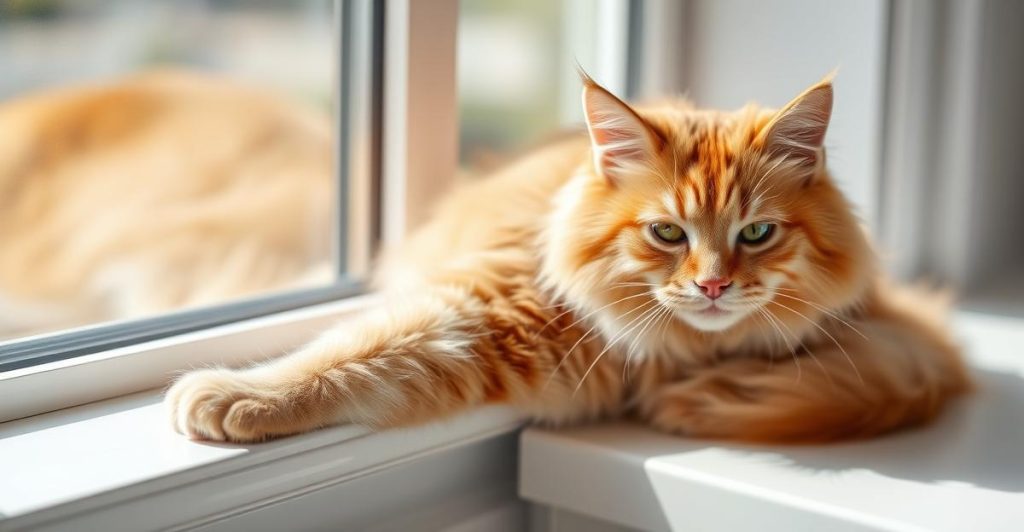
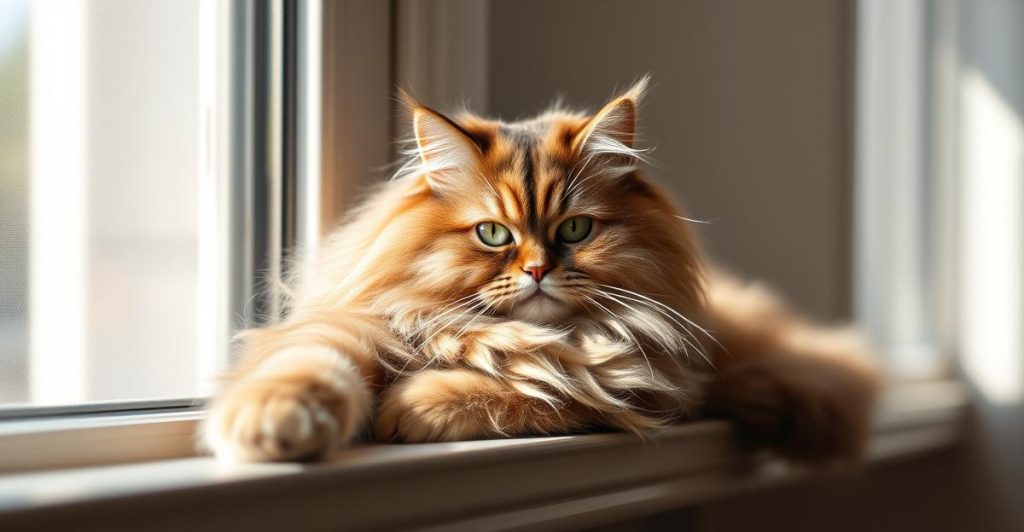
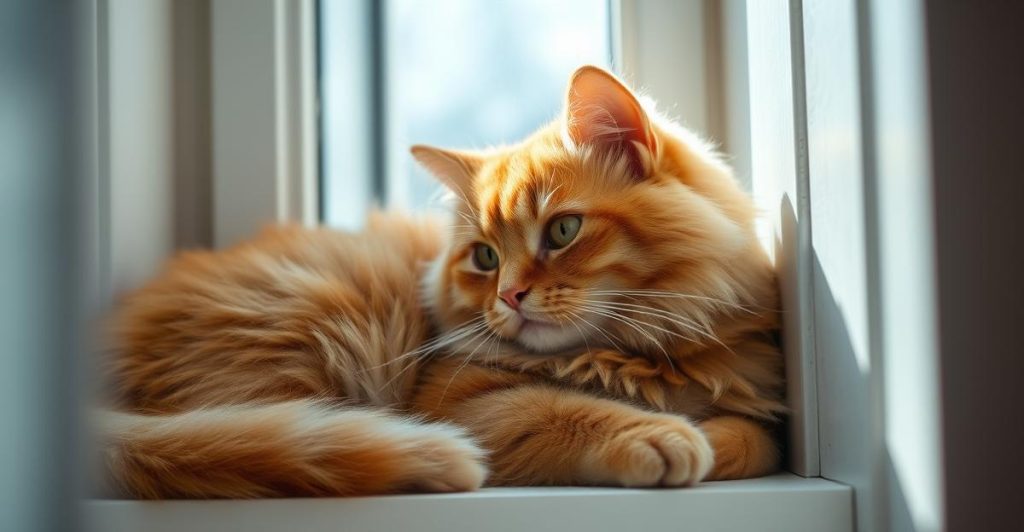
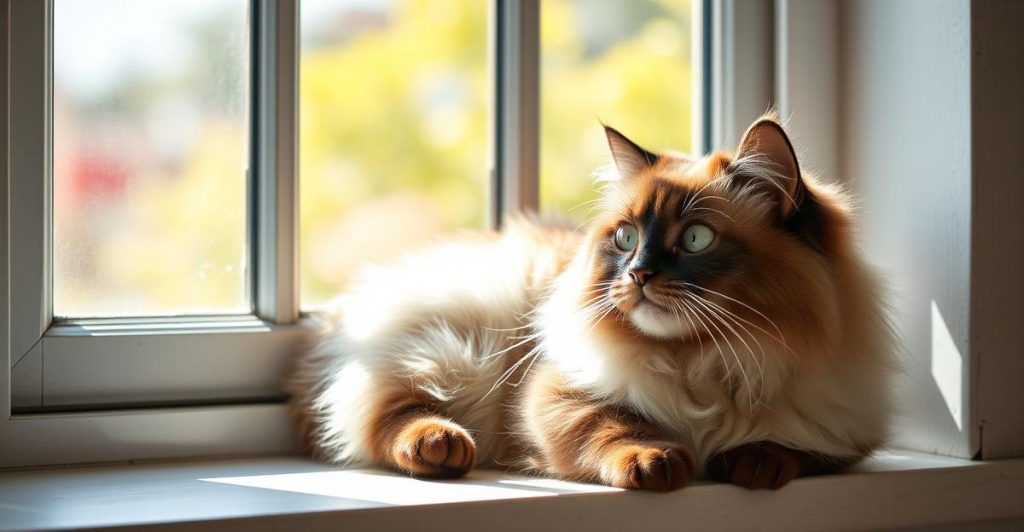
- Warmth: A warm spot—whether it’s a sun‑lit windowsill or a heated pad—appeals to a cat’s body‑temperature regulation needs.
- Texture Variety: Soft fabrics, smooth wood, and rough sisal each provide different tactile experiences that keep a cat curious.
- Quiet Corners: Even the most social cats need a place to retreat when the household gets noisy.
- Vertical Space: Cats love climbing. Shelves, cat trees, and wall‑mounted pathways let them satisfy their climbing instinct.
By weaving these elements together, you’ll create a layered environment that feels both inviting and stimulating—a true cozy cat paradise.
2. Choosing the Perfect Locations
Every home has hidden gems that can become cat‑friendly zones. Here’s how to spot them and transform them:
- Sunny Windowsills: Install a sturdy perch or a window‑mounted shelf. Add a soft cushion and watch your cat soak up the sun.
- Under‑Stair Spaces: These often‑overlooked nooks can become a secret den with a plush blanket and a few toys.
- Behind Furniture: A simple cat tunnel or a low‑profile cat bed tucked behind a couch offers a sense of privacy.
- Hallway Corners: Mount a slim cat shelf at cat‑eye level for a discreet climbing route that doesn’t clutter the room.
- Kitchen Counters (Safe Zones): If you allow limited access, a small, washable mat can give your cat a place to observe the culinary action.
When selecting spots, consider traffic flow. A perfect haven should be easily accessible but away from high‑traffic pathways that might startle a relaxed cat.
3. Essential Furnishings for a Warm and Inviting Atmosphere
Now that you know where to place your cat’s new retreat, let’s talk about the furnishings that turn a simple corner into a luxurious hideaway.
- Cat Beds & Caves: Choose beds with raised edges for a sense of enclosure. Materials like faux‑fleece or sherpa feel plush and retain heat.
- Cat Trees & Condos: Look for models with multiple platforms, scratching posts, and hanging toys. A tree with a hammock adds a perfect lounge spot.
- Soft Blankets & Throws: Layer a washable blanket over a shelf or inside a cat cave. Rotate colors seasonally for a fresh look.
- Scratching Surfaces: Sisal-wrapped posts, cardboard scratchers, and wooden logs keep claws healthy while protecting furniture.
- Interactive Toys: Feather wands, laser pointers, and puzzle feeders encourage gentle exercise and mental stimulation.
Mix and match these items to suit your home’s décor. A sleek, modern cat tree can blend with contemporary interiors, while a rustic wooden perch fits perfectly in a farmhouse setting.
4. Adding Sensory Comfort: Light, Sound, and Smell
Creating a truly cozy cat space goes beyond furniture. Sensory cues play a big role in how relaxed a cat feels.
- Lighting: Natural light is ideal, but avoid direct glare. Use sheer curtains to diffuse harsh sunlight, creating a gentle glow.
- Sound: Soft background music or a white‑noise machine can mask sudden noises that might startle a cat. Classical or nature sounds are especially calming.
- Scents: Cats respond well to familiar scents. A piece of your worn clothing or a blanket that carries your scent can make a new spot feel safe.
- Temperature: In cooler months, a low‑wattage heated pad (designed for pets) can add a toasty touch without overheating.
These subtle adjustments create an environment where your cat can unwind, nap, and feel secure—key ingredients for everyday happiness.
5. Encouraging Playful Exploration Without Overcrowding
While a cozy haven is all about relaxation, a happy cat also needs opportunities for gentle activity. Balance is key: too many toys can clutter the space, while too few can lead to boredom.
- Rotate Toys: Keep a small selection out and store the rest. Rotating every week renews interest.
- Interactive Play Sessions: Dedicate 10–15 minutes daily to engage with your cat using wand toys or feather teasers.
- DIY Enrichment: Simple paper bags, cardboard boxes, and crumpled paper balls provide endless fun at minimal cost.
- Vertical Pathways: Install a series of wall‑mounted shelves that lead from one room to another, encouraging gentle climbing and exploration.
By providing structured play opportunities, you help your cat burn off excess energy, which in turn makes the cozy spots even more inviting for restful naps.
6. Maintaining a Fresh and Hygienic Haven
Comfort is only lasting if the space stays clean and inviting. Regular upkeep ensures that your cat’s sanctuary remains a place of joy rather than a source of irritation.
- Launder Bedding Weekly: Use mild, fragrance‑free detergent to keep fabrics soft and free of allergens.
- Vacuum Regularly: Remove hair and dander from carpets, shelves, and cat trees to maintain air quality.
- Spot‑Clean Scratching Posts: Wipe down sisal posts with a damp cloth to remove dust and debris.
- Check for Wear: Replace frayed fabrics or unstable platforms before they become hazards.
- Rotate Seasonal Items: Swap heavier blankets for lighter throws as the weather changes, keeping the space comfortable year‑round.
Simple, consistent habits keep the environment fresh, ensuring your cat continues to view the area as a beloved retreat.
Indoor vs. Outdoor Play Activities: Choosing the Right Balance
| Aspect | Indoor Play | Outdoor Play (Secure Enclosure) |
|---|---|---|
| Safety | Fully controlled environment; no traffic or predators. | Requires a cat‑proofed enclosure; exposure to weather and insects. |
| Stimulus Variety | Can use toys, tunnels, and interactive puzzles. | Natural scents, varied terrain, and moving shadows. |
| Space Requirements | Vertical shelves and compact play stations. | Open area; may need fencing or netting. |
| Maintenance | Easy to clean; toys can be washed. | Regular checks for escape routes and weather wear. |
| Social Interaction | Can involve human play partners. | Potential for controlled interaction with other cats. |
7. Personalizing the Haven to Match Your Home’s Style
One of the joys of creating a cat sanctuary is making it blend seamlessly with your interior design. Here are a few style‑savvy tips:
- Neutral Palettes: Choose gray, beige, or earth‑tone fabrics that complement most décor while still feeling cozy.
- Patterned Accents: Add a striped or chevron throw to a cat tree for a pop of visual interest without clashing.
- Natural Materials: Wooden shelves, wicker baskets, and stone‑like cat condos echo organic trends.
- Minimalist Approach: A sleek, single‑level cat perch can serve as both a functional climbing spot and a decorative wall element.
- DIY Projects: Repurpose old crates, vintage suitcases, or reclaimed pallets into unique cat hideaways that tell a story.
When the design feels cohesive, you’ll find yourself enjoying the space as much as your feline friend, turning cat care into a shared aesthetic experience.
8. Seasonal Adjustments for Year‑Round Comfort
Just as humans adjust their wardrobes with the seasons, cats also benefit from subtle changes in their environment.
- Winter Warmth: Add a plush, insulated blanket or a low‑heat pet pad to favorite perches.
- Summer Coolness: Place a cooling mat or a shallow dish of fresh water near a shaded window.
- Spring Refresh: Rotate toys with fresh scents like cat‑mint or dried lavender (ensure it’s safe for cats).
- Fall Coziness: Swap lighter throws for richer, thicker fabrics that evoke the season’s warmth.
These small tweaks keep the haven inviting throughout the year, encouraging your cat to stay relaxed and content regardless of the weather outside.
Frequently Asked Questions
What size cat bed is best for a small or large cat?
Choose a bed that allows your cat to stretch fully but isn’t so large that it feels empty. For small breeds, a 12‑inch round bed works well; larger cats often prefer a 20‑inch rectangular or donut‑shaped bed with raised edges.
Can I use a heated pad in a cat’s cozy spot?
Yes, a low‑wattage pet‑specific heated pad can add warmth, especially in cooler months. Always follow the manufacturer’s safety guidelines and monitor your cat to ensure they don’t become overheated.
How often should I rotate toys and accessories?
Rotating toys every 7‑10 days keeps novelty high. For larger accessories like blankets or cat trees, a seasonal rotation (every 3‑4 months) helps maintain freshness and encourages continued interest.
Is it okay to let my cat sleep on my bed?
Absolutely! Sharing a sleeping space can strengthen the bond between you and your cat. Just ensure any bedding you use is easy to clean and that your cat has a separate, dedicated spot if they ever need privacy.
Disclaimer: This article is intended for informational and entertainment purposes only. It does not replace professional veterinary advice. Always consult a qualified vet for your cat's health and dietary needs.