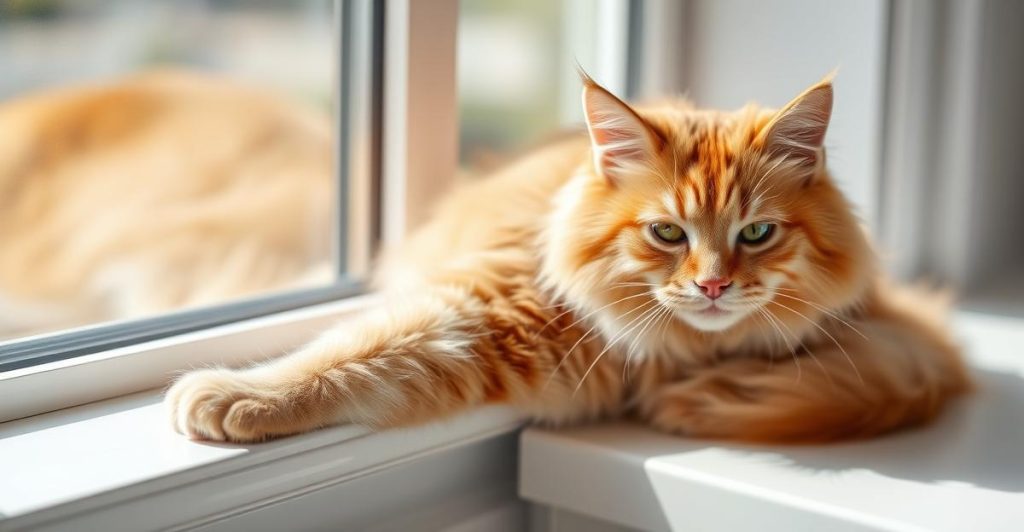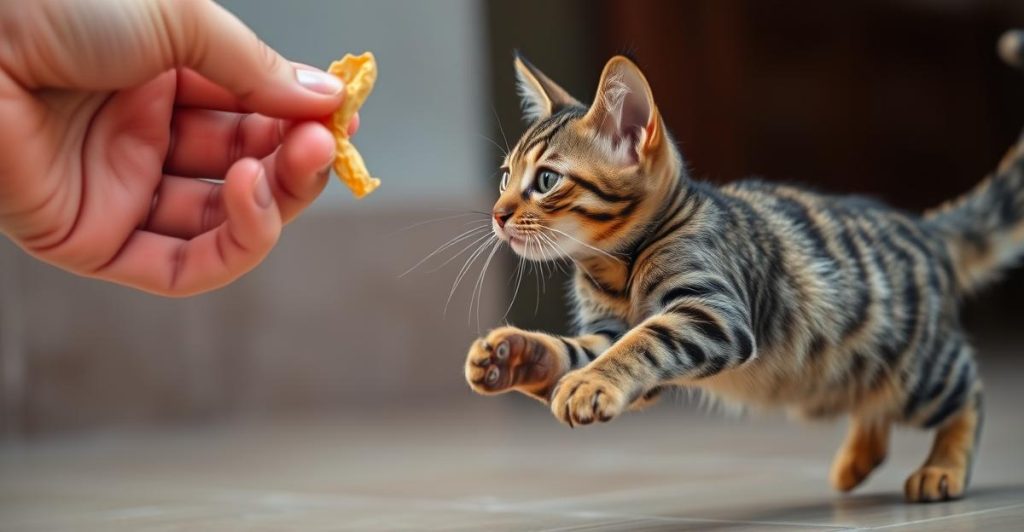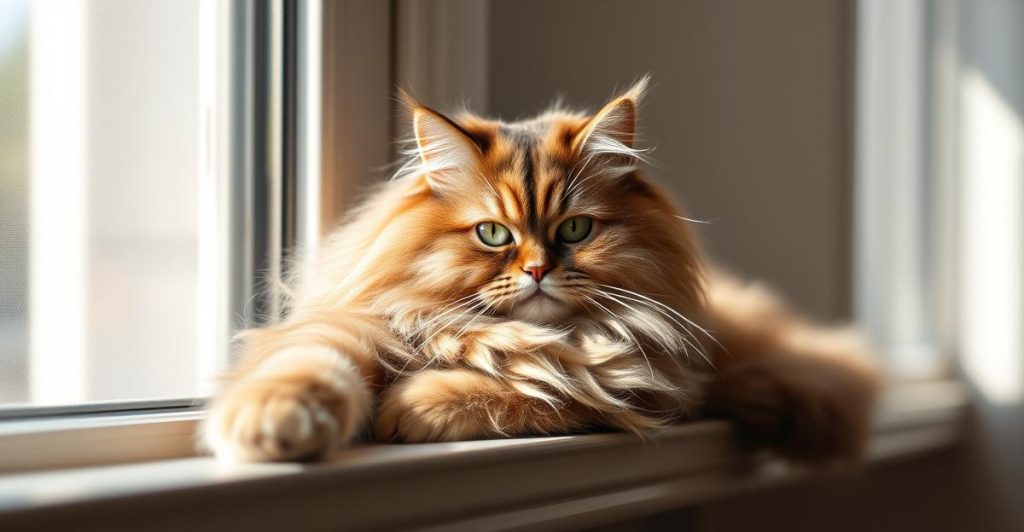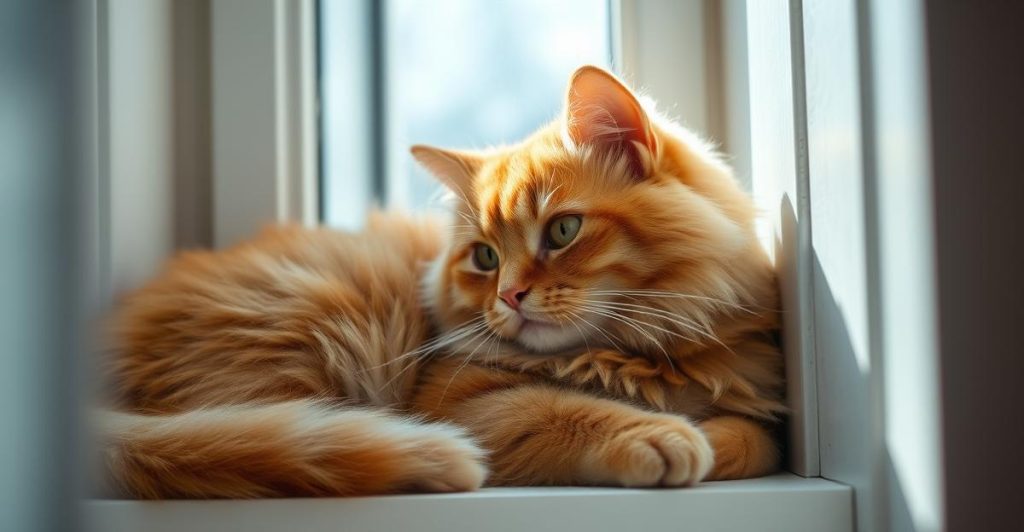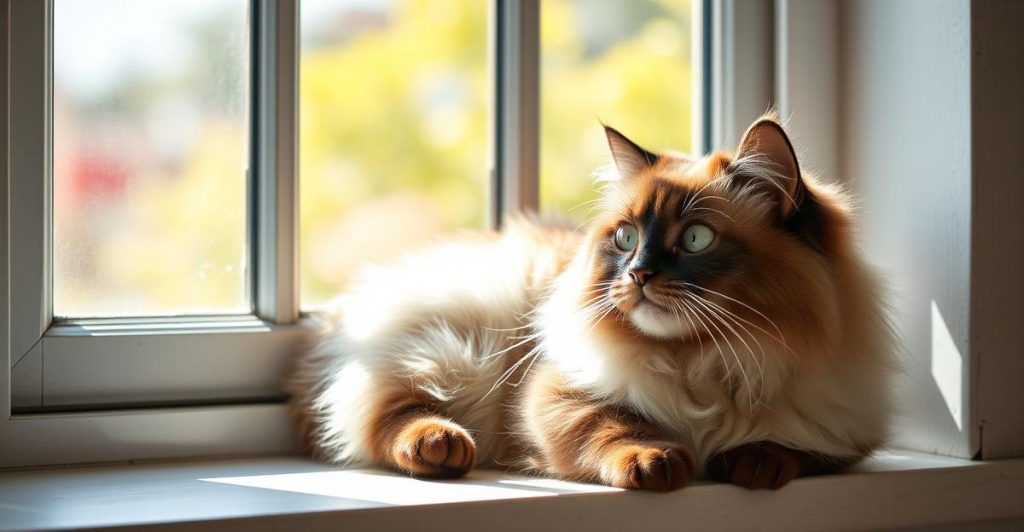

There’s nothing quite like the feeling of watching your feline friend lounge in a sun‑splashed window, chase a feather wand with gusto, or greet you with a soft purr as you walk through the door. Those moments tell us, in the most subtle ways, that our cat is truly happy and thriving. By paying close attention to everyday behaviors, you can gauge whether your whiskered companion is enjoying a balanced, contented life. Below are ten tell‑tale signs that your cat is not just surviving, but flourishing in its environment.
Playful Energy and Curiosity
A thriving cat displays a zest for exploration and play that goes beyond the occasional sprint around the house. This energy is a cornerstone of a happy cat’s daily routine.
- Spontaneous bursts of running (the classic “zoomies”) that end in a satisfied stretch.
- Interest in new toys, boxes, or even a crinkly paper bag, showing a willingness to investigate.
- Engagement with interactive play sessions, such as feather wands or laser pointers, without signs of frustration.
Relaxed Body Language and Comfortable Postures
When a cat feels safe and content, its body language reflects pure relaxation. These cues are easy to spot if you know what to look for.
- Slow blinking at you—a “cat kiss” that signals trust and affection.
- Sprawling on favorite spots with belly exposed, indicating confidence and comfort.
- Tail held upright with a gentle curve at the tip, a universal sign of a happy cat.
Consistent Grooming and Cleanliness
Grooming is both a hygiene practice and a self‑soothing ritual. A cat that maintains a regular grooming routine is usually feeling good overall.
- Even, methodical licking of the coat without excessive bald patches.
- Regular use of the litter box with no signs of avoidance or stress.
- Keeping paws clean after outdoor adventures or play, showing an instinctual desire for neatness.
Appetites that Match the Routine
Food is more than fuel; it’s a source of pleasure. A thriving cat enjoys its meals without becoming overly picky or disinterested.
- Eating meals at consistent times, showing that the feeding schedule fits its lifestyle.
- Occasional interest in healthy treats or fresh water, indicating curiosity without overindulgence.
- Drinking water regularly, especially from a clean bowl or a cat‑friendly fountain.
Positive Social Interactions
Social bonds, whether with humans or other pets, are a strong indicator of a happy cat. Look for these signs of affection and companionship.
- Rubbing against your legs or head‑butting you to mark you with scent—a friendly greeting.
- Following you from room to room, showing curiosity about your activities.
- Gentle kneading on soft blankets or your lap, a comforting behavior from kittenhood.
Comparison Table: Indoor Enrichment vs. Outdoor Exploration
| Aspect | Indoor Enrichment | Outdoor Exploration |
|---|---|---|
| Safety | Controlled environment; minimal risk of traffic or predators. | Exposure to external hazards; requires supervision or secure outdoor space. |
| Stimulation | Variety of toys, climbing trees, puzzle feeders. | Natural scents, varied terrain, birdwatching. |
| Exercise | Scheduled play sessions, interactive toys. | Spontaneous running, climbing, hunting‑like pursuits. |
| Social Interaction | Human‑focused bonding; easy to involve family members. | Potential encounters with other animals; can enhance confidence. |
| Maintenance | Easy to clean; litter box stays indoors. | Requires regular coat checks for debris and potential parasites. |
Frequently Asked Questions
How often should I engage my cat in play?
Most cats benefit from two short play sessions each day—about 10‑15 minutes each. This keeps energy levels balanced and reinforces the happy cat vibe.
What are some simple ways to enrich my indoor cat’s environment?
Rotate toys weekly, add a window perch, use puzzle feeders, and provide scratching posts of varying textures. Changing the scenery keeps curiosity alive.
Is it normal for a cat to nap most of the day?
Yes. Cats naturally sleep 12‑16 hours a day. What matters is that they also have active periods where they explore, play, and interact.
Can I tell if my cat is stressed without seeing obvious signs?
Subtle cues include a decrease in play, changes in grooming rhythm, or a shift in favorite resting spots. Observing routine patterns helps you catch early signs of discomfort.
Disclaimer: This article is intended for informational and entertainment purposes only. It does not replace professional veterinary advice. Always consult a qualified vet for your cat's health and dietary needs.