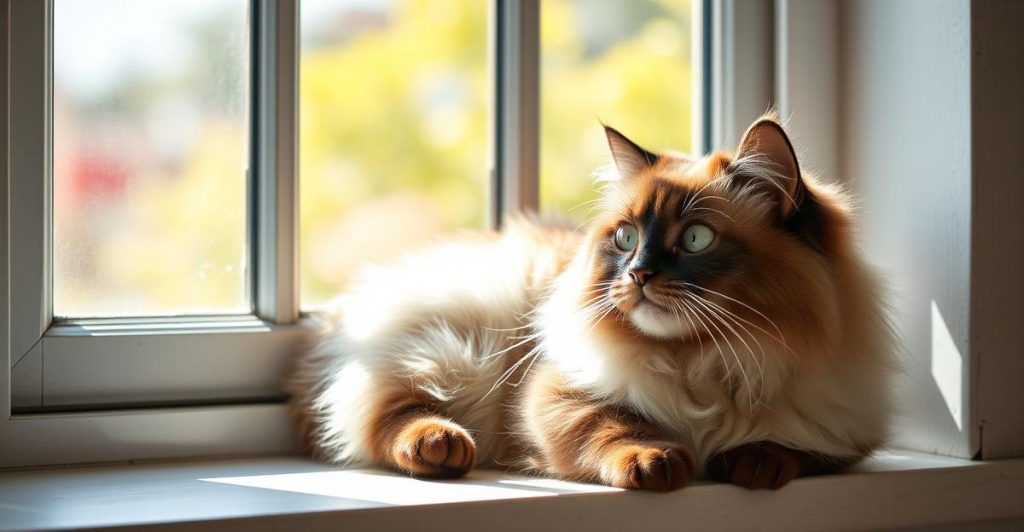

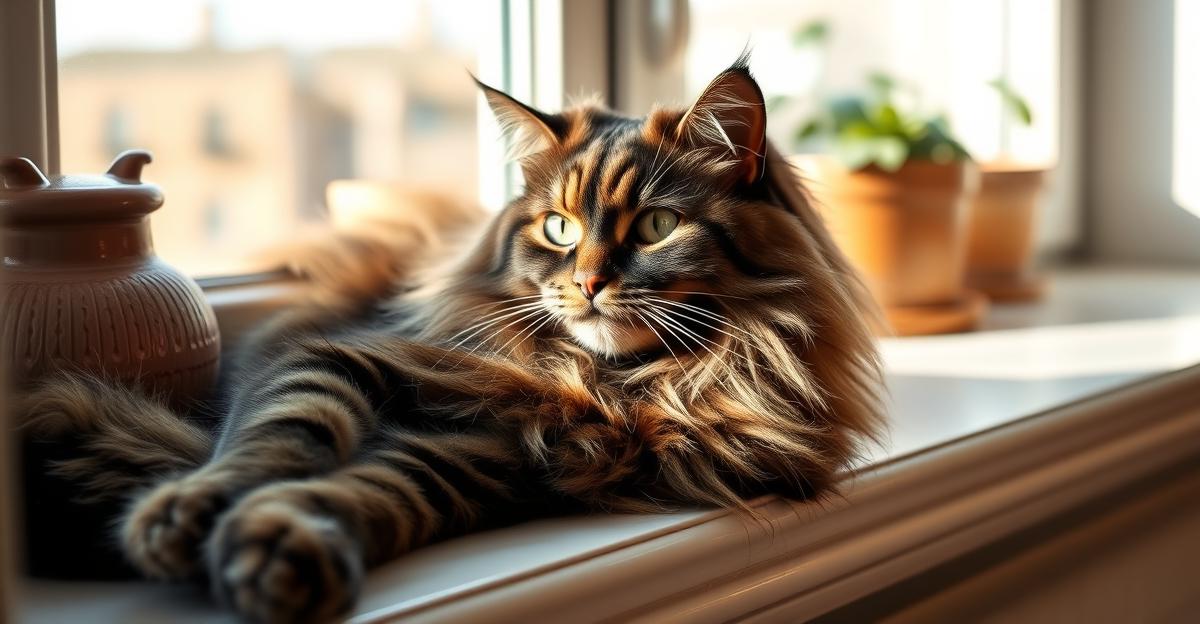
Imagine coming home to a gentle giant who greets you with a soft rumble of purrs, a fluffy tail sweeping the floor, and eyes that sparkle with curiosity. The Maine Coon, often called the “gentle giant” of the feline world, fits perfectly into that picture. Whether you live in a bustling city apartment or a spacious countryside house, this playful, affectionate breed can adapt and thrive, bringing endless joy and a touch of wilderness charm to any household. In the following guide, we’ll explore everything that makes the Maine Coon such a beloved companion, from its storied past to the everyday habits that keep it happy and healthy.
History and Origins of the Maine Coon
The Maine Coon’s roots are as mysterious as its majestic appearance. Legend has it that these cats descended from long‑haired seafarers’ companions, traveling on ships that docked in the rugged ports of New England. Others suggest a mix of early domestic cats with the native bobcat, giving rise to the breed’s robust size and rugged coat. While the exact lineage remains a delightful mystery, one fact is clear: the Maine Coon earned its official status as the state cat of Maine in 1985, a testament to its deep connection with the region’s history and people.
Throughout the 19th and early 20th centuries, Maine Coons were prized by farmers for their skill in hunting rodents, protecting grain stores, and providing companionship on long, solitary evenings. Their friendly temperament and adaptability soon made them favorites beyond the farms, finding a place in homes across the United States and eventually worldwide. Today, the breed’s heritage lives on in its love for exploration, its gentle disposition, and its unmistakable “wild” look.
Physical Traits that Make Them Stand Out
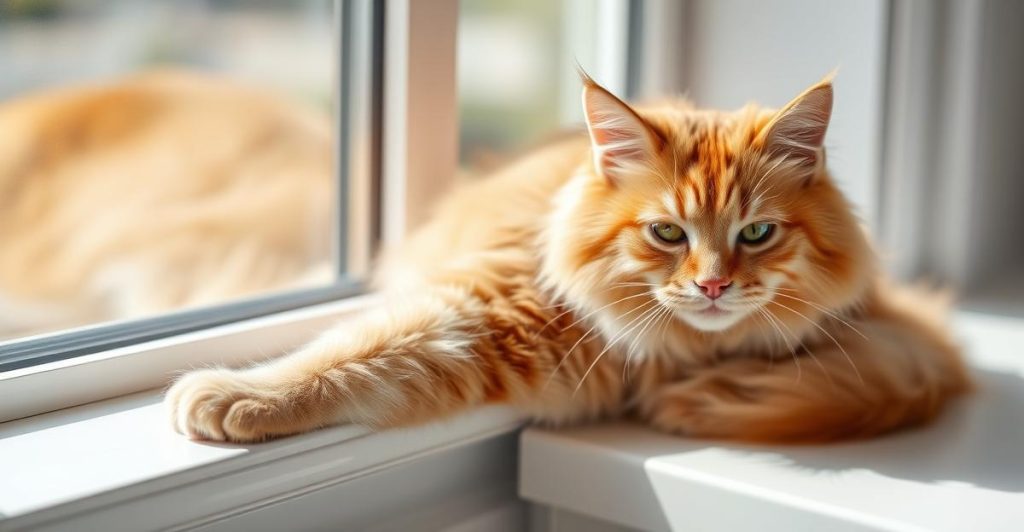
Standing tall among domestic cats, the Maine Coon boasts a combination of size, strength, and elegance that is hard to miss. Here are the signature features that define this remarkable breed:
- Impressive Size: Adult males often weigh between 13‑18 pounds, while females range from 9‑12 pounds, giving them a sturdy, muscular build.
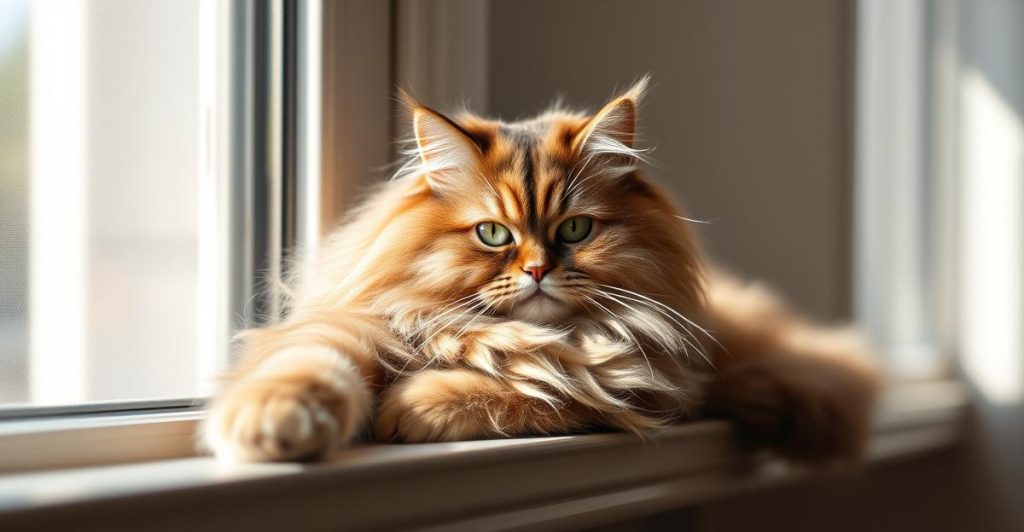
- Luxurious Coat: A semi‑long, water‑repellent coat that comes in a wide array of colors and patterns, from classic tabby to solid black or striking silver.
- Distinctive Ears: Tall, tufted ears that sit like tiny crowns, adding to their wild‑cat aura.
- Tail: A long, bushy tail that resembles a raccoon’s—hence the “Coon” in their name—perfect for balancing during daring leaps.
- Eyes: Large, expressive eyes that can be green, gold, copper, or even a striking odd‑color combination.
These physical traits not only contribute to the Maine Coon’s striking appearance but also support its active lifestyle. The dense fur provides insulation during chilly winters, while the strong limbs enable impressive jumps and agile play.
Personality and Playful Nature
If you’re looking for a cat that blends independence with affection, the Maine Coon hits the sweet spot. Known for their friendly, outgoing personalities, they often act more like a dog than a typical cat. Below are some hallmark traits that make them wonderful companions:
- Social Butterflies: They enjoy being part of the family hustle, often following owners from room to room.
- Gentle Giants: Their large size is matched by a calm, patient demeanor, especially around children and other pets.
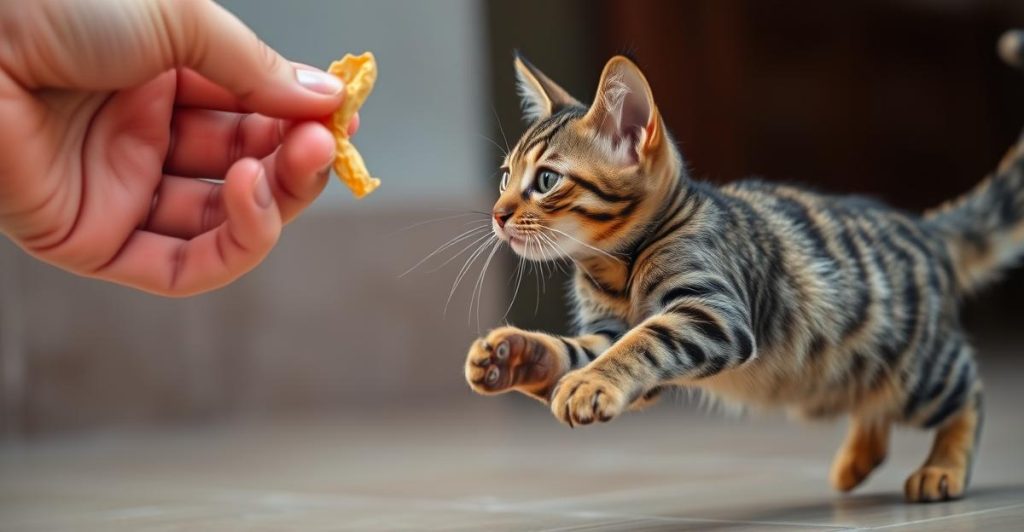
- Playful Explorers: Expect spontaneous bursts of energy—pouncing on feather toys, chasing laser pointers, or scaling cat trees.
- Intelligent Problem‑Solvers: Many Maine Coons learn to open doors, fetch toys, and even respond to simple commands.
- Vocal Communicators: They often “talk” with soft chirps and trills, especially when they want attention or are sharing a discovery.
Understanding these traits helps owners create an environment that satisfies their curiosity while fostering a deep bond built on mutual respect and fun.
Grooming and Everyday Care
Keeping a Maine Coon looking sleek and feeling comfortable is a rewarding routine that strengthens trust between you and your feline friend. Because of their thick, water‑repellent coat, regular grooming is essential—not for medical reasons, but to promote overall happiness and comfort.
Daily and Weekly Grooming Checklist
- Brush 2‑3 times per week: Use a wide‑toothed comb or a slicker brush to remove loose hair and prevent matting, especially around the neck and tail.
- Check ears and eyes: Gently wipe away any debris with a soft, damp cloth to keep them bright and clear.
- Trim nails monthly: Light trimming helps maintain a comfortable stride and protects furniture.
- Dental care: Offer dental chews or a cat‑safe toothbrush a few times a week to encourage fresh breath and a clean mouth.
- Hydration stations: Place fresh water in multiple locations; many Maine Coons love running water, so a small fountain can boost daily intake.
Remember, grooming sessions are also prime bonding time. Speak softly, offer treats, and let your Maine Coon set the pace. A relaxed cat will associate grooming with positive experiences, making future sessions smoother.
Enrichment: Toys, Play, and Environment
Enrichment is the secret sauce that keeps a Maine Coon’s mind sharp and its heart content. These cats thrive when given opportunities to explore, hunt, and solve puzzles. Below are practical ideas to turn any home into a feline wonderland.
Comparison of Popular Play Settings for Maine Coons
| Play Setting | Key Benefits | Recommended Frequency |
|---|---|---|
| Indoor Interactive Toys (feather wands, laser pointers) | Boosts agility, strengthens bond, safe for all weather | 2‑3 short sessions daily (10‑15 minutes each) |
| Outdoor Supervised Exploration (cat patio, harness walks) | Provides fresh scents, natural sunlight, mental stimulation | 1‑2 outings per week, 20‑30 minutes each |
| DIY Puzzle Feeders | Encourages problem‑solving, slows eating, reduces boredom | Replace regular bowl 2‑3 times weekly |
| Climbing Structures (cat trees, shelves) | Supports natural climbing instinct, offers safe perch | Always accessible; encourage daily use |
Mixing these activities ensures that your Maine Coon never feels stagnant. Rotate toys every few weeks, introduce new textures, and watch as curiosity reignites with each fresh challenge.
Bringing a Maine Coon Home: Tips for New Owners
Welcoming a Maine Coon into your household is an exciting adventure, but a little preparation goes a long way toward a smooth transition. Follow these practical steps to set the stage for a happy, well‑adjusted companion.
- Safe Space: Set up a quiet corner with a comfy bed, a few toys, and a water bowl. This becomes a retreat during the initial adjustment period.
- Gradual Introduction: If you have other pets, introduce them slowly—first through scent swaps, then brief supervised visits.
- Consistent Routine: Feed, play, and groom at similar times each day. Predictable schedules help a Maine Coon feel secure.
- Scratching Solutions: Provide sturdy scratching posts or pads. Maine Coons love to stretch their long claws, and a proper outlet protects furniture.
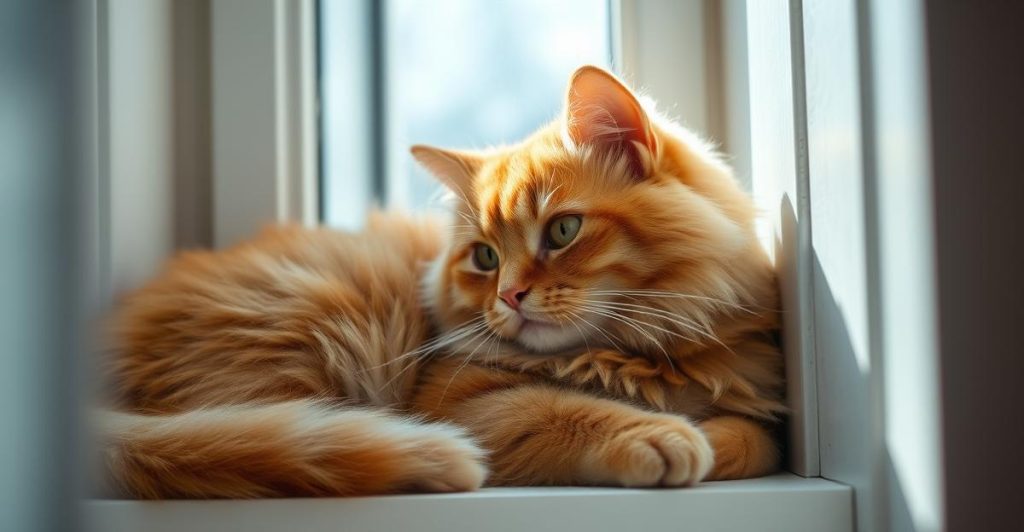
- Enrichment Zones: Install shelves or a cat tree near a sunny window. Sunbathing is a favorite pastime for these sun‑loving giants.
- Social Interaction: Spend dedicated time each day—whether it’s a gentle grooming session or a game of chase—to reinforce trust.
By honoring the Maine Coon’s natural instincts and offering a balanced mix of affection, activity, and personal space, you’ll nurture a lifelong bond that enriches both your lives.
Frequently Asked Questions
Do Maine Coons need a lot of exercise?
Yes, they enjoy regular play sessions that let them climb, pounce, and chase. Short, interactive games a few times a day keep them fit, happy, and mentally stimulated.
How often should I brush my Maine Coon?
Brushing 2‑3 times per week is ideal for most owners. During shedding seasons, you may increase to daily brushing to manage loose fur and prevent matting.
Are Maine Coons good with children and other pets?
Absolutely. Their gentle, patient nature makes them excellent companions for kids and other animals, especially when introductions are handled calmly and gradually.
What type of toys does a Maine Coon prefer?
They love toys that mimic natural prey—feather wands, wand toys with ribbons, and interactive laser pointers. Puzzle feeders and treat‑dispensing toys also keep their clever minds engaged.
Disclaimer: This article is intended for informational and entertainment purposes only. It does not replace professional veterinary advice. Always consult a qualified vet for your cat's health and dietary needs.