
There’s nothing quite like watching a tiny kitten discover the world for the first time – the way its ears swivel toward a rustling feather, the sudden sprint across a sun‑lit rug, and the satisfied purr that follows a victorious pounce. Creating a dedicated kitten play space not only fuels that natural curiosity but also gives your new companion a safe, cozy corner where it can explore, exercise, and unwind. In this guide we’ll walk you through every step of designing a kitten play space that feels like a mini‑adventure park, from picking the perfect spot to adding the right textures, toys, and hide‑aways. Let’s turn a simple room or nook into a haven that your kitten will love and return to again and again.
Understanding Your Kitten’s Play Instincts
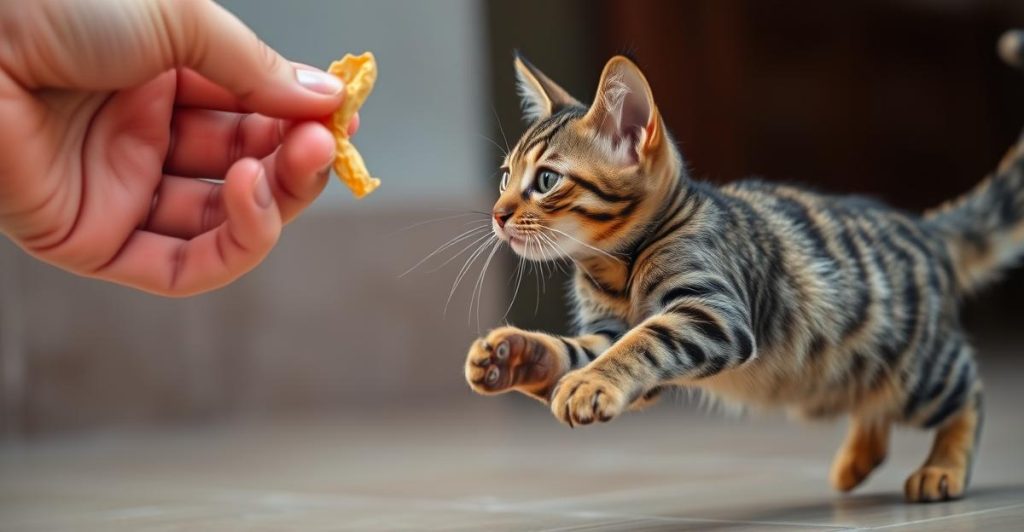
Kittens are born hunters. Even though they’re still learning the ropes, they instinctively chase, pounce, and bat at anything that moves. This high‑energy play is essential for building coordination, confidence, and social skills. By recognizing the stages of a kitten’s development – from the early “twitchy” weeks to the more coordinated “explorer” phase – you can tailor the play space to match its evolving needs.
- Weeks 2‑4: Gentle batting at dangling strings or soft balls.
- Weeks 5‑8: Increased hopping, climbing, and short bursts of sprinting.
- Weeks 9‑12: Mastering jumps, ambush tactics, and interactive games with you.
Providing a space that encourages these natural behaviors helps keep your kitten happy, reduces the chance of mischief elsewhere in the house, and lays the foundation for a well‑adjusted adult cat.
Choosing the Perfect Location
The location of your kitten play space sets the tone for how often it will be used. Look for a spot that balances stimulation with calm, and consider these factors:
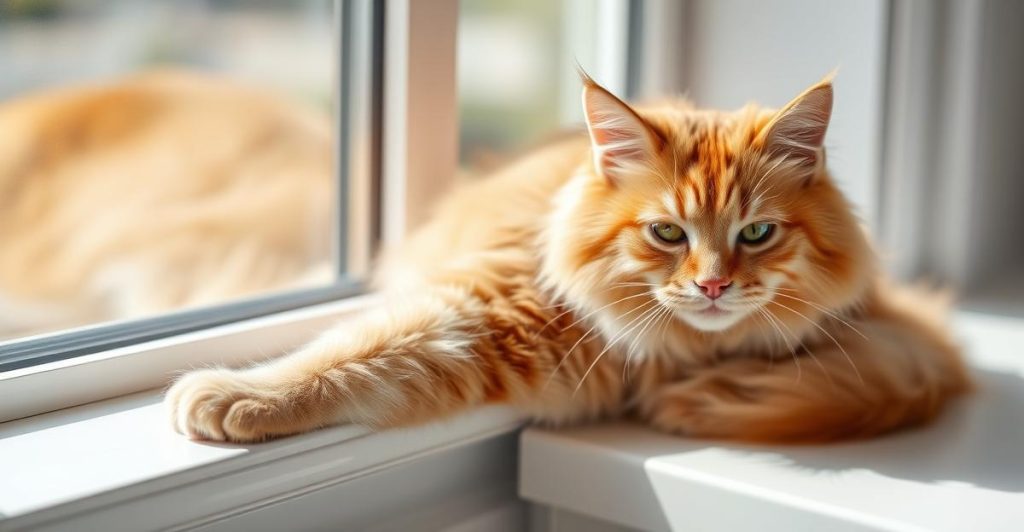
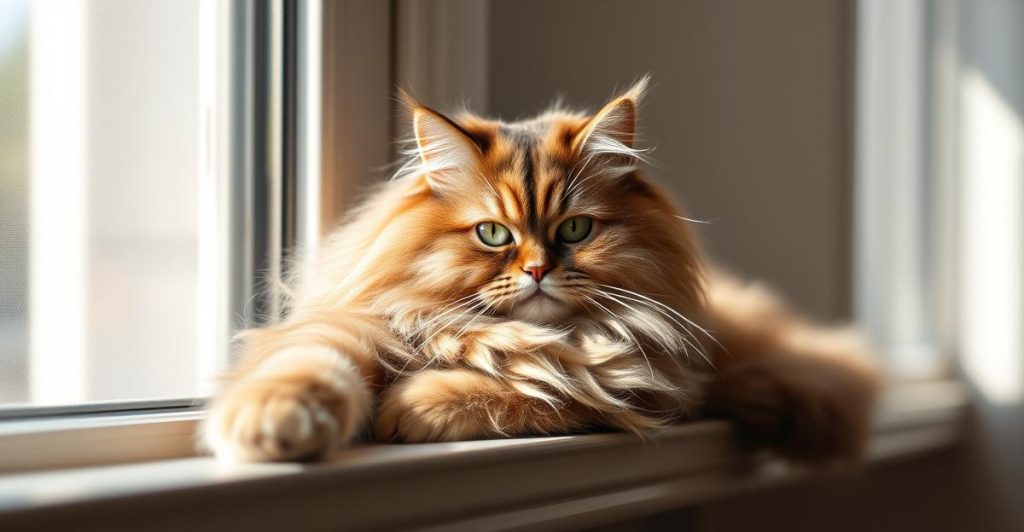
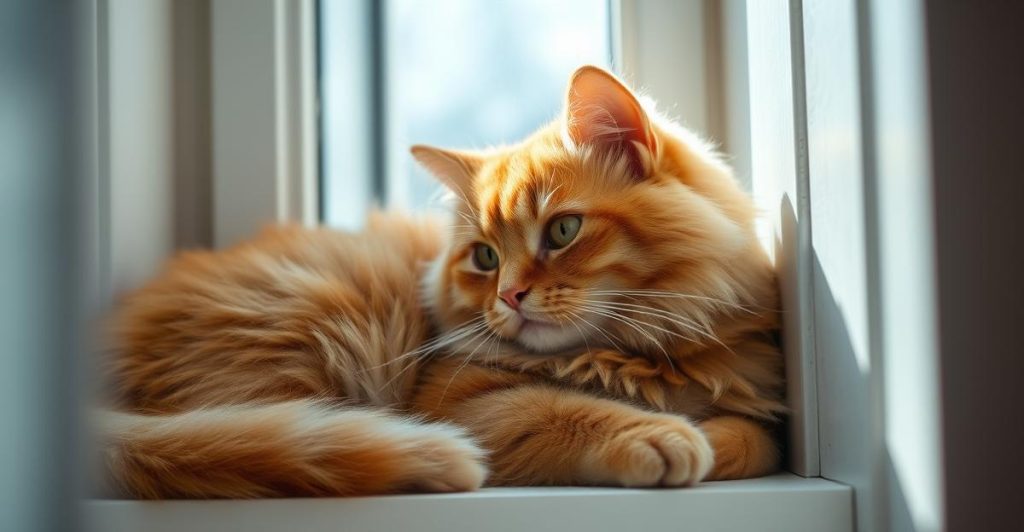
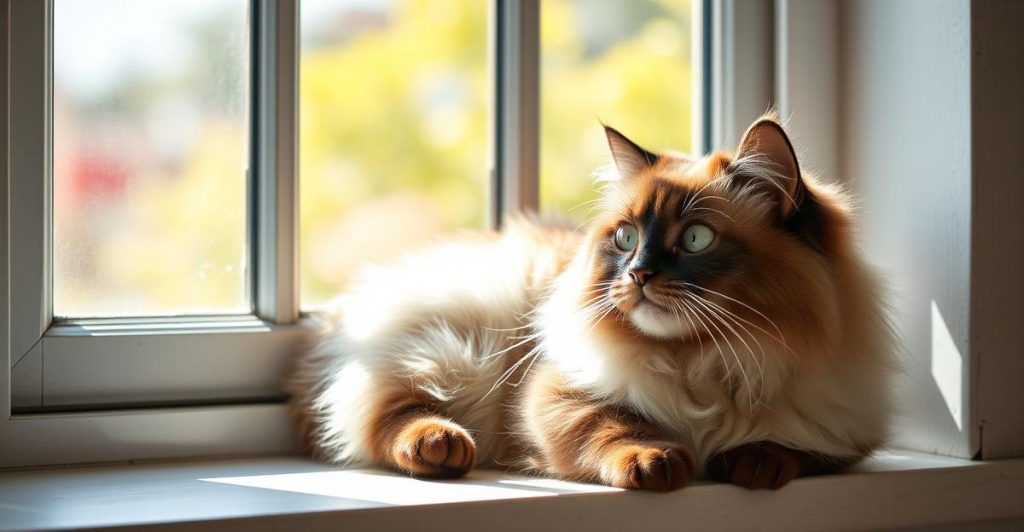
- Natural Light: Sun‑filled corners invite warmth and make the area inviting for both nap time and active play.
- Quiet Yet Visible: A place where the kitten can observe household activity without feeling overwhelmed.
- Safety First: Keep the area away from heavy foot traffic, open windows, or cords that could be chewed.
- Easy Access: Ensure the kitten can enter and exit without obstacles – a low‑step entry or an open doorway works well.
Whether you choose a spare corner of the living room, a converted closet, or a dedicated cat tree nook, the key is to make the space feel like a natural extension of the home, not a separate “cat zone.”
Essential Elements for a Cozy Kitten Play Space
Now that you have the right spot, it’s time to fill it with the essentials that make a play space both functional and irresistibly cozy.
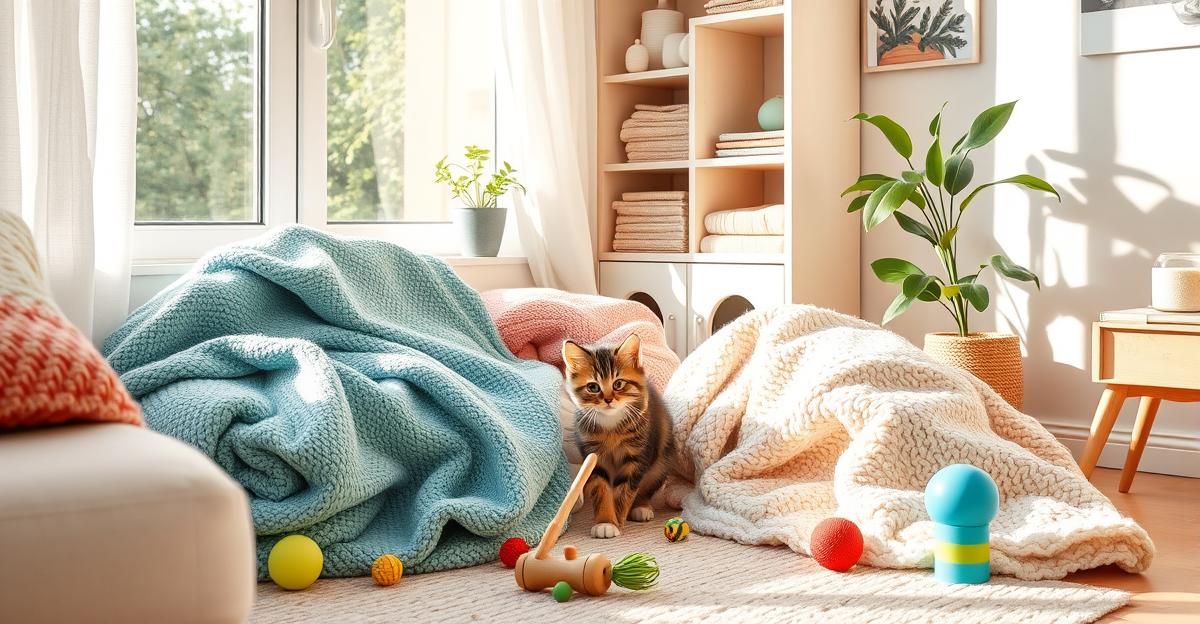
- Soft Flooring: A plush rug or interlocking foam tiles provide cushioning for those inevitable tumbles.
- Vertical Territory: Wall‑mounted shelves, a short cat tree, or sturdy cardboard boxes give your kitten places to climb and observe.
- Interactive Toys: Feather wands, crinkle balls, and puzzle toys keep the mind sharp.
- Hide‑aways: Small tents, fabric tunnels, or a simple paper bag create secret spots for retreat and “ambush” play.
- Comfort Zones: A cozy blanket or a heated pad (set to a safe low temperature) offers a spot for post‑play snuggles.
Mixing textures – from smooth fabric to crinkly paper – adds sensory variety, which is especially important for a kitten’s developing senses.
DIY Projects and Budget‑Friendly Ideas
You don’t need a massive budget to build a captivating kitten play space. Some of the most beloved kitten toys are homemade, and repurposing household items can add charm and personality.
- Cardboard Castle: Cut and tape together multiple boxes to create tunnels, windows, and levels. Paint with non‑toxic acrylics for extra flair.
- Fabric Pocket Wall: Hang a sturdy piece of plywood and sew fabric pockets onto it. Fill each pocket with a different texture – felt, fleece, or faux fur.
- DIY Feather Wand: Attach a feather or two to a thin dowel using non‑slip tape. The lightweight wand becomes an instant favorite.
- Rotating Toy Basket: Use a simple wicker basket to store a variety of toys. Rotate the selection every few days to keep curiosity high.
- Window Perch: Repurpose a sturdy suction cup shelf and add a soft cushion. Sun‑bathing kittens love a high‑up view.
These projects not only save money but also let you customize the space to match your home décor and your kitten’s personality.
Rotating Toys and Keeping the Space Fresh
Just as humans can get bored with the same routine, kittens thrive on novelty. A simple rotation system can make old toys feel new again and prevent the play space from becoming stale.
- Weekly Rotation: Keep 3‑4 toys out at a time, swapping the rest into storage.
- Seasonal Themes: Introduce holiday‑themed toys or seasonal colors to spark interest.
- Scent Exploration: Lightly rub a toy with cat‑safe herbs like catnip or silvervine (use sparingly for general enjoyment).
- Interactive Play Sessions: Dedicate 10‑15 minutes each day to active play, using a wand or laser pointer (never shine the laser directly into the eyes).
When a kitten sees a “new” toy, its natural hunting instincts kick in, leading to more vigorous exercise and mental stimulation.
Safety and Supervision Tips
Even the coziest kitten play space needs a few safety checks to ensure your little explorer stays out of trouble.
- Secure Loose Items: Remove cords, small rubber bands, and any objects that could be swallowed.
- Sturdy Anchors: Make sure shelves, cat trees, and wall mounts are firmly attached to prevent tipping.
- Regular Inspection: Check toys for frayed edges or loose parts weekly.
- Supervised Play: While kittens are curious, a brief watchful eye can prevent accidents, especially during the first few weeks.
- Escape Routes: Ensure there’s always an easy way for the kitten to exit the play area if it feels overwhelmed.
By staying vigilant, you’ll create a space where your kitten can explore freely while you enjoy peace of mind.
Indoor vs. Outdoor Play Activities – A Quick Comparison
| Aspect | Indoor Play | Outdoor Play |
|---|---|---|
| Safety | Controlled environment; no traffic or predators. | Potential exposure to insects, weather, and wildlife. |
| Stimuli Variety | Limited to toys, textures, and household sounds. | Natural scents, varied terrain, and moving shadows. |
| Exercise Intensity | Can be high with interactive toys and climbing structures. | Often higher due to open space and natural chasing. |
| Supervision | Easier to monitor closely. | Requires secure enclosure or leash training. |
| Weather Dependence | Not affected; play year‑round. | Limited by rain, heat, or cold. |
Frequently Asked Questions
How big should a kitten play space be?
There’s no strict size rule, but aim for an area roughly the size of a small coffee table (about 3 × 4 feet) as a starting point. As your kitten grows, you can expand vertically with shelves or add adjacent zones for more variety.
Can I use a regular dog bed as a kitten’s cozy corner?
Yes, as long as the bed is low‑profile, easy to clean, and made of non‑toxic materials. Adding a soft blanket or a small pillow can make it extra inviting for naps after play.
What’s the best way to introduce new toys without overwhelming my kitten?
Introduce one new toy at a time and observe how your kitten reacts. If it shows interest, let it explore for a few minutes before adding another. This gradual approach prevents overstimulation and helps you see which toys truly engage your kitten.
Should I let my kitten explore outside the play space?
Supervised outdoor time can be enriching, but it should be done in a secure, enclosed area or on a cat‑safe harness. Always prioritize safety and keep the outdoor sessions short until your kitten builds confidence.
Disclaimer: This article is intended for informational and entertainment purposes only. It does not replace professional veterinary advice. Always consult a qualified vet for your cat's health and dietary needs.