
Understanding Allergies and Cats
Many cat lovers discover that a sneeze, itchy eyes, or a runny nose can quickly turn affection into frustration. If you’ve ever wondered whether you can share your home with a feline friend without triggering allergies, you’re not alone. The good news is that hypoallergenic cat breeds do exist, and they can fit seamlessly into a busy, indoor cat lifestyle. By learning how cat allergens work and what to look for, you can make an informed decision that protects both your health and your cat’s wellbeing.
What Makes a Cat “Hypoallergenic”?
Unlike humans, cats don’t produce “allergy‑free” fur. The real culprit behind cat allergies is a protein called Fel d 1, which is found in a cat’s saliva, skin oils, and urine. When a cat grooms itself, the protein spreads onto its fur and skin flakes (dander). As the dander dries, it becomes airborne and can trigger symptoms in sensitive individuals.
Key Proteins and Dander
- Fel d 1: The primary allergen; even short‑haired cats produce it.
- Fel d 4: A secondary protein found in cat skin; less potent but still relevant.
- Dander: Tiny, lightweight skin particles that cling to hair and surfaces.
Understanding this biology helps you see why “hypoallergenic” does not mean “allergen‑free.” Instead, certain breeds produce less Fel d 1 or have coats that trap dander more effectively, reducing the amount that becomes airborne.
Top Hypoallergenic Cat Breeds for 2026
When evaluating hypoallergenic cat breeds, consider coat type, grooming needs, temperament, and how well they adapt to indoor living. Below are the most reliable choices for allergy sufferers looking to add a feline companion to their family.
Siberian
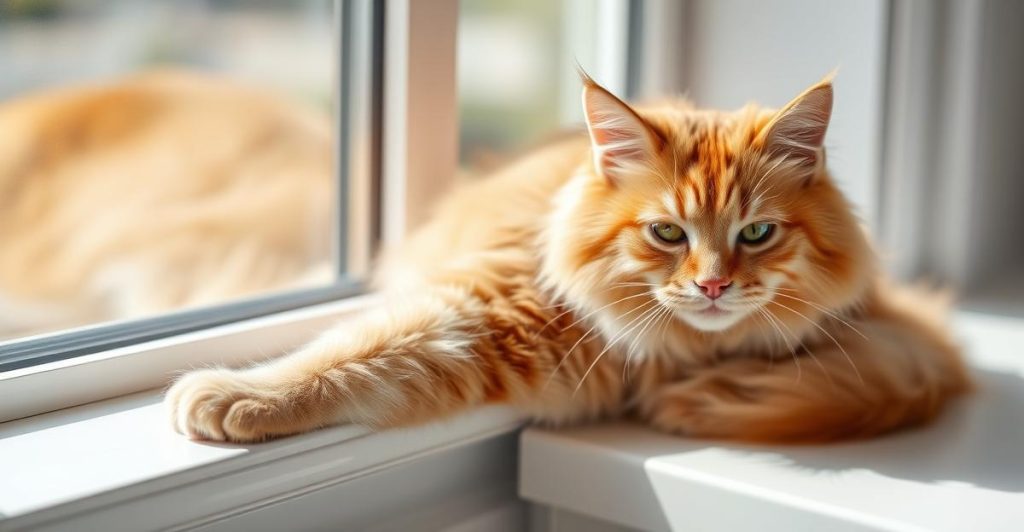
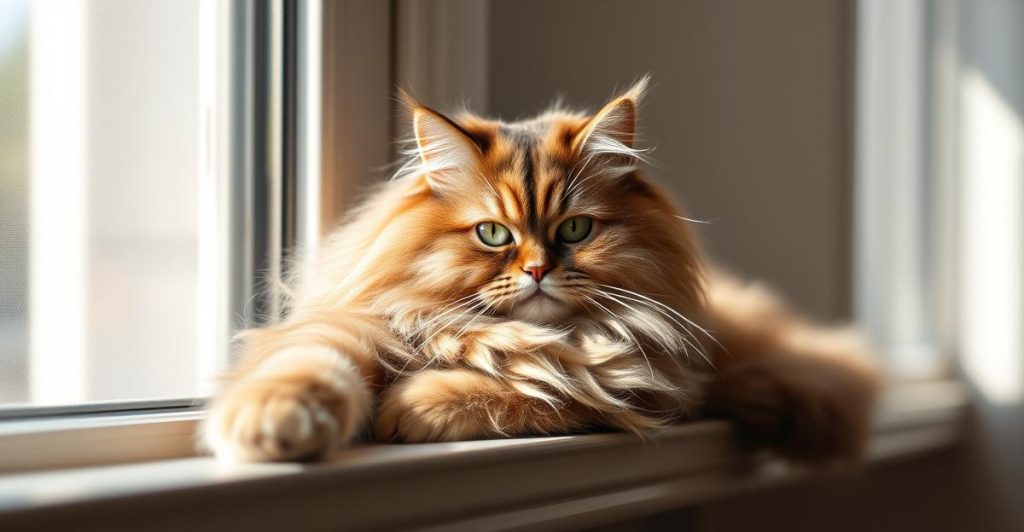
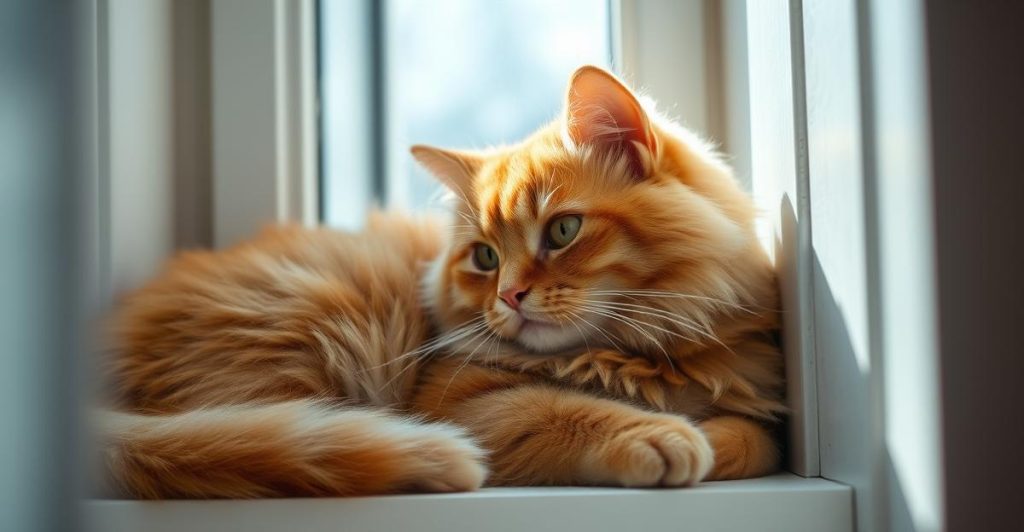
The Siberian is a medium‑sized, semi‑longhaired cat native to Russia. Studies have shown that Siberians produce up to 30% less Fel d 1 than average cats, making them a top pick for allergy‑prone households. Their plush coat requires regular brushing, but they shed less than many long‑haired breeds.
Balinese (Long‑Haired Siamese)
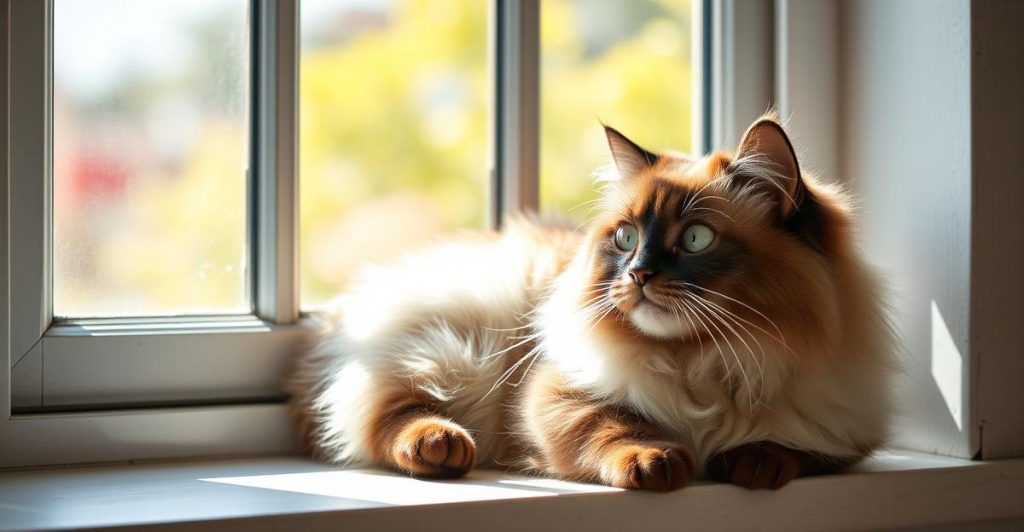
Often called the “long‑haired Siamese,” the Balinese boasts a silky, single‑layer coat that doesn’t trap as much dander as double‑coated breeds. Their vocal and social nature makes them ideal for families that want an interactive indoor cat.
Russian Blue
With a dense double coat of short, blue‑gray hair, the Russian Blue is famed for low allergen production. Their calm, gentle temperament pairs well with quiet homes and they tend to groom themselves efficiently, limiting dander spread.
Devon Rex
The Devon Rex’s wavy, short coat is technically a “hairless‑ish” texture that sheds minimally. Because they lack a heavy undercoat, dander is less likely to become airborne. They are energetic and love to play, making them perfect for active indoor environments.
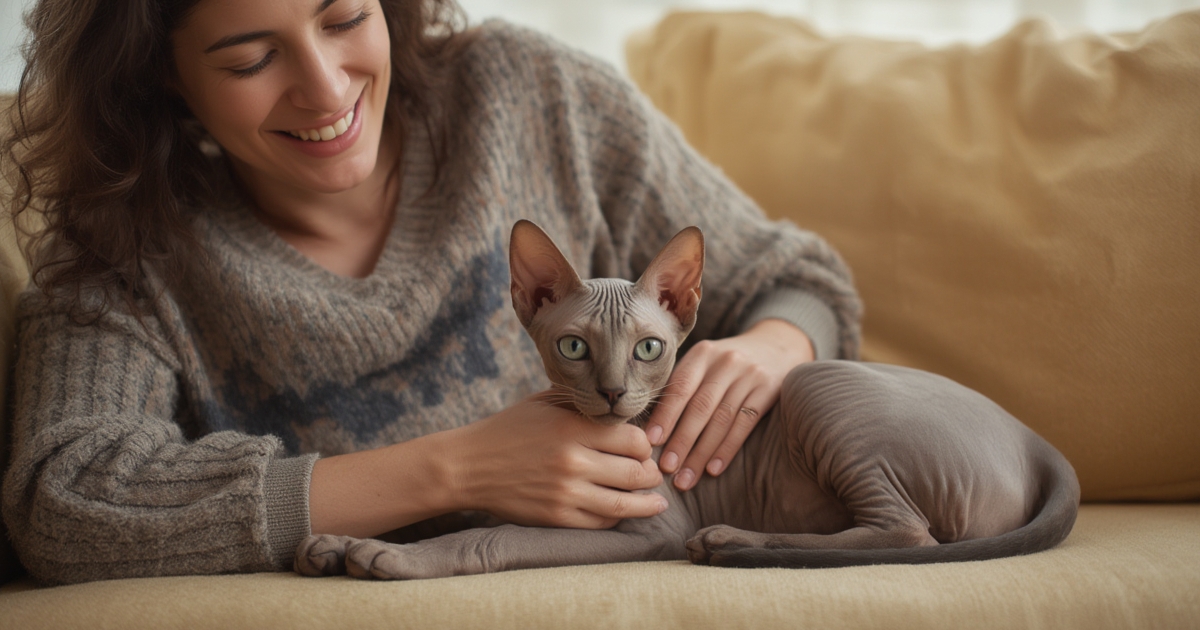
Sphynx
While the Sphynx is often labeled “hairless,” it actually has a fine peach‑fuzz covering that requires weekly baths to remove oil buildup. Their lack of fur means less surface area for dander to cling to, which can dramatically lower allergen exposure.
Oriental Shorthair
Similar to the Siamese but with a broader range of colors and patterns, the Oriental Shorthair has a sleek, short coat that sheds very little. Their high energy and affectionate nature make them great companions for owners who enjoy interactive play.
Daily Care Tips for Allergy‑Prone Households
Even with a low‑allergen breed, proper cat care and home management are essential to keep allergens at bay. Below are practical steps that blend cat health, nutrition, and behavior guidance with allergy control.
Grooming Routine
- Regular Brushing: Brush your cat at least 2–3 times a week using a stainless‑steel slicker brush. This removes loose hair and dander before it can fall onto furniture.
- Bathing Schedule: For breeds like the Sphynx or Devon Rex, bathe once a week with a hypoallergenic cat shampoo to wash away Fel d 1 oils.
- Professional Grooming: Consider monthly visits to a groomer who can perform deep cleaning and coat trimming, especially for long‑haired breeds.
Feeding for Healthy Skin and Coat
High‑quality cat nutrition supports a healthy skin barrier, reducing excess dander production. Look for foods that contain omega‑3 fatty acids (EPA and DHA), which are known to improve coat condition.
- Choose grain‑free, protein‑rich formulas from reputable brands.
- Supplement with fish oil or a feline‑specific omega‑3 capsule if recommended by your vet.
- Avoid cheap fillers that can cause skin irritation or digestive upset.
Cleaning and Air Quality
- HEPA Vacuum: Vacuum carpets, rugs, and upholstery weekly with a HEPA‑rated vacuum to capture microscopic dander.
- Air Purifier: Place a HEPA air purifier in the main living area; run it continuously during high‑allergy seasons.
- Wash Bedding: Launder cat blankets, pillows, and your own bedding in hot water (≥130°F) weekly.
- Restrict Access: Keep the cat out of bedrooms and other allergy‑sensitive zones, especially at night.
Behavior and Enrichment
Stress can increase a cat’s grooming frequency, which in turn releases more allergens. Provide plenty of mental and physical stimulation to keep your feline calm and healthy.
- Interactive toys, puzzle feeders, and daily play sessions.
- Vertical space such as cat trees or wall‑mounted shelves.
- Regular routine: feed, play, and groom at consistent times to reduce anxiety.
Choosing the Right Breed: A Comparison
Below is a side‑by‑side look at the most popular hypoallergenic cat breeds for 2026, highlighting coat type, grooming demands, and allergy potential. This table helps you match a breed’s characteristics with your lifestyle and allergy severity.
Comparison of Common Hypoallergenic Breeds
| Breed | Coat Type | Grooming Needs | Allergy Potential | Best For |
|---|---|---|---|---|
| Siberian | Semi‑long, dense | Brush 2–3×/wk; occasional de‑shedding | Low (30% less Fel d 1) | Families seeking a playful, sturdy cat |
| Balinese | Single‑layer, silky | Brush weekly; minimal shedding | Low to moderate | Owners who enjoy vocal, social cats |
| Russian Blue | Short, double‑coat | Brush weekly; low shedding | Low | Quiet homes, seniors, or apartment dwellers |
| Devon Rex | Wavy, short | Brush 2×/wk; occasional baths | Low | Active households that love playful cats |
| Sphynx | Hairless (fine fuzz) | Weekly baths; skin moisturize | Very low (minimal dander) | Allergy sufferers willing to bathe regularly |
| Oriental Shorthair | Sleek, short | Brush weekly; low shedding | Low to moderate | Owners who want a talkative, energetic cat |
Integrating a Hypoallergenic Cat into Your Home
Bringing a new cat home is an exciting milestone, but it also requires careful planning to ensure both the cat and the household thrive. Below are step‑by‑step actions that combine cat care best practices with allergy management.
Pre‑Arrival Preparations
- Designate a “Cat Zone” – Choose a room with easy-to‑clean flooring and place a litter box, water bowl, and scratching post there.
- Purchase Essential Supplies – HEPA vacuum, air purifier, grooming brush, hypoallergenic litter (clumping, low‑dust), and a high‑quality kitten/adult diet.
- Schedule a Vet Check – Even healthy breeds need a wellness exam, vaccinations, and a discussion about parasite prevention.
First Days: Building Trust and Routine
New cats can be timid, especially if they are aware of their owner’s allergies. Keep interactions calm and brief at first, gradually extending playtime as the cat becomes comfortable.
- Offer a small amount of food in the cat zone twice daily.
- Place a soft blanket with your scent to provide reassurance.
- Use a feather wand or laser pointer for low‑stress enrichment.
Long‑Term Health Monitoring
Regular veterinary visits are crucial for detecting early signs of cat health issues that could exacerbate allergens, such as skin infections or dental disease.
- Annual wellness exams, plus dental cleaning every 1–2 years.
- Monitor coat condition; a dull or flaky coat may indicate nutritional deficiencies.
- Watch for sneezing, coughing, or watery eyes in both cat and owner; report persistent symptoms to a vet or allergist.
Maintaining an Allergy‑Friendly Environment
Even with diligent care, allergens will accumulate over time. Consistency is key.
- Vacuum high‑traffic areas twice a week.
- Wash cat toys and bedding monthly.
- Replace litter every 2–3 weeks to keep dust low.
- Consider a “no‑cat” rule on upholstered furniture; use washable throws instead.
Conclusion: Making the Right Choice for You and Your Cat
Choosing a hypoallergenic cat breed is not a guarantee of a completely allergen‑free home, but it dramatically reduces the risk of severe reactions. By pairing the right breed with diligent grooming, high‑quality nutrition, and a clean indoor environment, you can enjoy the companionship of a cat while keeping allergy symptoms manageable. Remember, the best breed for you is the one that matches your lifestyle, activity level, and willingness to commit to regular care. With the right preparation, you and your new feline friend can look forward to many happy, healthy years together.
Frequently Asked Questions
How often should I bathe a hypoallergenic cat?
For hairless or low‑coat breeds like the Sphynx or Devon Rex, a weekly bath with a gentle, hypoallergenic cat shampoo is ideal. Short‑haired breeds typically do not need regular baths unless they become especially oily or smelly.
Can I keep a hypoallergenic cat outdoors?
While outdoor access can provide mental stimulation, it also introduces pollen, insects, and other allergens that may worsen your symptoms. Most allergy‑prone owners keep their hypoallergenic cats strictly indoors, using enrichment toys and window perches to satisfy curiosity.
Do hypoallergenic cats shed less?
Yes, most of the breeds listed shed minimally due to shorter or single‑layer coats. However, shedding is not the only source of allergens; saliva and skin oils still play a role, so regular grooming remains essential.
Will my cat’s diet affect my allergies?
A balanced diet rich in omega‑3 fatty acids can improve skin health and reduce dander production. While diet alone won’t eliminate allergens, it supports a healthier coat that releases fewer particles into the environment.
What if I’m still allergic after getting a hypoallergenic breed?
If symptoms persist, consider additional measures such as:
- Increasing air purifier capacity.
- Using allergen‑blocking mattress and pillow covers.
- Consulting an allergist for immunotherapy or medication.
Sometimes a combination of breed selection and environmental controls is necessary for optimal relief.